For research, writing and presentation slides, a laptop should work well with the software you need, have a suitable keyboard and offer the right connections for the presentation screen. If you create image-rich magazine layouts yourself, the display and workspace become more important; weight also matters if you regularly travel between your room and university. Before choosing, check the specific programmes and connections you’ll actually need.
Which laptop is right for you?
Designers creating image spreads
If you create magazine pages or visual layouts yourself, match the display, memory and file storage to the demands of your layout work. Manufacturers’ colour gamut figures relate to specific displays, but don’t in themselves guarantee print colour accuracy.
Writers and researchers
For developing your concept, defining your audience and drafting copy, a keyboard you can use comfortably for extended periods and enough room for open sources and slides are important considerations. The software you need will depend on the requirements of your course.
Presenters on the move
If you travel between your student room and university, weight and power supply affect how easy the laptop is to carry. For presentations, you should also check that the connections on the specific laptop are compatible with the screen you’ll be using.
What should you look for when buying?
First, think about whether you’ll mainly be writing, creating layouts, carrying your laptop around regularly or presenting your idea on an external screen. For this magazine pitch, the right display, storage and connections depend on how you plan to use it.
| Priority |
What to check when buying |
Who will find this most important? |
| Layouts and image display |
Compare the display specifications for the exact variant, the resolution and the requirements of the layout software you use. For InDesign on Windows, Adobe recommends 16 GB RAM and a resolution of 1920 × 1080 pixels. |
If I create image spreads myself, I want to be able to assess text and images on my laptop. That’s why around 36% of consumers put layout and image display first. |
| Writing and research |
Try the keyboard and touchpad if possible; make sure the memory and SSD suit the volume of documents and files you work with. |
If you mainly write and organise sources side by side, comfortable input and easy-to-manage documents are especially important. Around 29% of consumers prioritise writing and research. |
| Carrying it between study locations |
Check the weight of the specific configuration. Battery capacity and manufacturers’ battery-life claims are different figures, so they can’t be compared directly. |
If I regularly carry my laptop between my room and university, how much it weighs matters to me. Around 21% of consumers prioritise portability above all else. |
| Presenting and discussing |
Check that the laptop’s output matches the screen’s input, and find out whether you’ll need an adapter. |
If you want to present your finished pitch on someone else’s screen or discuss it with others, having a compatible connection is important. Around 14% of consumers prioritise presenting and collaboration. |
Avoiding buying pitfalls
-
Choosing based only on memory or processor name
Display specifications can vary considerably, even between compact devices. Lenovo Germany lists a matte display with 45% NTSC for the ThinkPad E14 Gen 7 21T00022GE; ASUS Germany lists 95% DCI-P3 for the Vivobook 16 Flip TP3607SA-SI105W. These are manufacturer specifications for different displays and don’t prove print colour accuracy.
If you create image spreads yourself, compare the display specifications for the exact model variant with your colour workflow.
-
Assuming every model in a series has the same configuration
A similar series name alone doesn’t guarantee that the display and other features are the same. Compare the full model number and the specifications that matter for your pitch.
Check the details for the exact configuration before comparing it with another variant.
-
Assuming battery capacity and advertised battery life are the same
A capacity figure in Wh and a battery-life figure in hours are based on different specifications. You can’t use them to calculate directly how long the laptop will last while you’re working on layouts.
If you want to work without a mains socket, look for comparable battery-life tests that reflect how you’ll use the laptop. Depending on the model and your schedule, you may also need to carry the power adapter.
-
Leaving connection and box contents until presentation day
The connection options vary between the models reviewed. Apple lists two Thunderbolt 4 USB-C ports on the MacBook Air; ASUS lists HDMI on the Vivobook 16 Flip. A Joybuy product page for a specific MacBook Air variant also notes that no power adapter is included; this doesn’t automatically apply to other offers.
Compare the connection you need for the screen and the contents of the box with the details of the specific offer. If necessary, check whether you’ll need a suitable adapter or power adapter too.
Brands to consider
Lenovo
The ThinkPad E14 Gen 7 is a compact Windows option for writing and working with multiple documents.
- For configuration 21T00022GE, Lenovo Germany lists 16 GB RAM, a 512 GB SSD and a matte 14-inch display.
- The stated colour gamut coverage of 45% NTSC is relevant to this specific display variant if you want to assess colours on the device.
Apple
The 13-inch MacBook Air with M5 is a compact macOS option for writing and creating visual layouts.
- Apple lists 16 GB unified memory, a 512 GB SSD and a P3 display for the base configuration.
- Apple lists MagSafe, a headphone jack and two Thunderbolt 4 USB-C ports. Check how you’ll connect to your presentation screen; battery-life figures are manufacturer estimates based on specific tests.
ASUS
The configurations considered here suit different needs: the especially lightweight Zenbook A14 and the larger Vivobook 16 Flip with a touchscreen.
- ASUS lists a weight of 980 g and 32 GB RAM for the Zenbook UX3407QA-QD496W; the Vivobook TP3607SA-SI105W is listed with a 16-inch OLED touchscreen and HDMI.
- For the Zenbook, check that the programmes you need are compatible with Windows on Arm. ASUS lists the Vivobook at 1.80 kg; these specifications don’t apply to every variant.
HP
According to HP, the OmniBook 5 family includes 14-inch models for mobile everyday use and 16-inch models with more screen space.
- HP lists HDMI and USB-C on some configurations.
- Displays and processors vary across the family. Check the specifications of the exact configuration rather than assuming family-level details apply to a particular model.
Joybuy products for pitching your idea
The Joybuy laptop options below include models for writing and research, as well as configurations with a larger display or touchscreen where this is stated in the product name.
 No image available
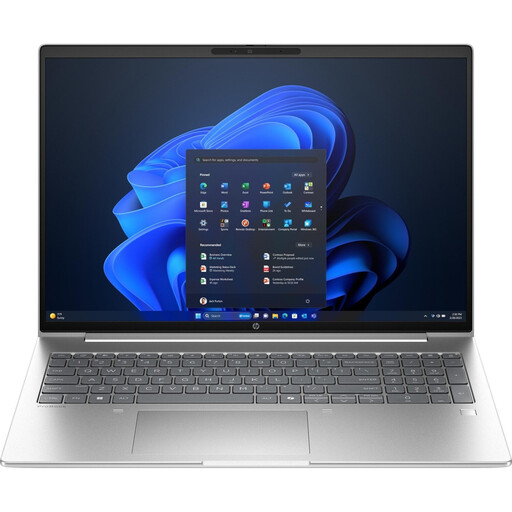
HP ProBook 4 16 G1i, Intel Core Ultra 7 255U
If you’ll be working with lots of documents for your pitch, the memory specifications in the product name may help you choose.
Windows 11 Pro; 32 GB RAM; 1 TB SSD; 16-inch IPS display with 1920 × 1200 pixels.
View at Joybuy
 No image available
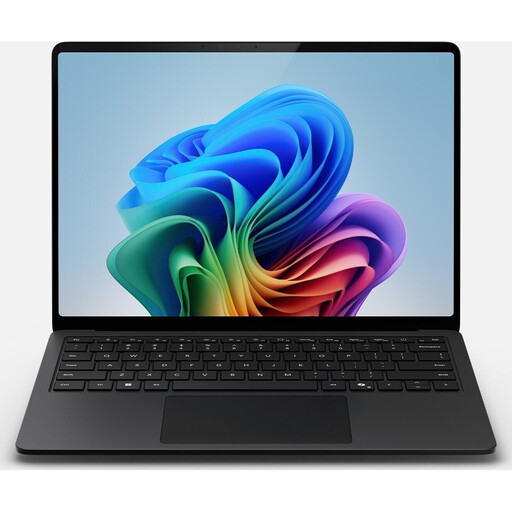
Microsoft Surface Laptop 7, Snapdragon X Plus, 16 GB, 512 GB, Black
An option for research and writing if you’re looking for a laptop with the memory configuration listed in the product name.
Snapdragon X Plus; 16 GB RAM; 512 GB SSD; colour: Black.
View at Joybuy
 No image available
Auusda T156A, 16 GB DDR4, 512 GB SSD
For drafting copy and researching, the size of the built-in screen listed in the product name may be a factor in your choice.
15.6-inch FHD IPS display; 16 GB DDR4; 512 GB SSD; 3050E processor; backlit keyboard.
View at Joybuy
 No image available
HP OmniBook Ultra Flip 14-fh0670ng, 14-inch 2-in-1
A possible option if you’d like to view pitch layouts on a touchscreen.
Intel Core Ultra 7 258V; 32 GB RAM; 1 TB SSD; 2.8K OLED touchscreen; Windows 11 Home.
View at Joybuy
 No image available
HONOR Magicbook X16 AMD 2025, 16 GB, 512 GB, Cloud Gray, German Keyboard
If you’ll be writing and researching for extended periods, the German keyboard listed in the product name may be an important factor in your choice.
AMD R5 6600H; 16 GB RAM; 512 GB SSD; 16-inch display; German keyboard.
View at Joybuy
Frequently asked questions
Do I need Adobe InDesign and 16 GB RAM for a magazine pitch?
No. InDesign or any particular layout software isn’t a requirement for a pitch. If you want to use InDesign on Windows, Adobe lists 8 GB RAM as the minimum and recommends 16 GB, along with a resolution of 1920 × 1080 pixels. Also check which software and version your course requires.
How do I connect my laptop to someone else’s screen for a presentation?
Check that the screen’s input matches the output on your specific laptop, and find out whether you’ll need an adapter. ASUS lists HDMI for the Vivobook 16 Flip; Apple lists two Thunderbolt 4 USB-C ports for the 13-inch MacBook Air reviewed here. Test the connection and your presentation file before the day.
How should I look after the battery and dispose of an old laptop?
The German Environment Agency recommends asking whether the battery can be replaced and whether replacement batteries are available when you buy. Old electrical devices shouldn’t go in household waste; take them, for example, to a local collection point. Only remove a battery yourself if it can be done with simple steps, and dispose of it separately.
What are my rights in Germany if an online laptop purchase isn’t right for me or is faulty?
Consumers generally have a 14-day right to cancel an online purchase. For delivered goods, the cancellation period usually starts when you receive them, provided you’ve been given the correct information. The seller is responsible for statutory rights relating to faulty goods; these are separate from any voluntary guarantee. The Verbraucherzentrale describes repair or replacement as remedies for putting things right.


