What should you look for when choosing?
Decide first which software and data structure you need. Then choose a display size and ports to suit how often you work on the move versus at a fixed desk.
Compact office or business laptop
A good fit if: you regularly take your laptop to meetings and update minutes while you’re out and about.
Consider: It may be less convenient to view the source document and data-entry form side by side on a smaller display. An external monitor can help at a fixed workstation.
Larger office laptop
A good fit if: you mostly work in one place on lengthy minutes and field tables, and want more screen space without an external monitor.
Consider: Compare the weight and dimensions with your transport needs. A larger display is no substitute for suitable indexing software or a backup plan.
| What matters |
What to check before buying |
Who should pay particular attention |
| Custom fields and search |
Test field types and searches with sample data; check that the application runs on the operating system in the specific configuration. |
If I’m entering recurring custom fields and want to find records later, the software needs to support that workflow. Around 33% of consumers prioritise custom fields and searchable records. |
| Scans and text recognition |
Try typical source documents with your planned OCR application and check recognised names and dates against the original. |
If I’m scanning old minutes, I want to check recognised content before adding it to the index. Around 27% of consumers prioritise scan editing and text recognition. |
| Entering data on the move |
Check the exact model’s weight, dimensions, keyboard and required ports. |
If I’m taking notes at meetings in different locations, I need a device that suits the way I travel and enter data. Around 20% of consumers prioritise mobile data entry. |
| Security and sharing |
Clarify where the data is stored, who can access it and how backups are made. |
If several people work with the minutes, I want to manage access and sharing to suit our specific workflow. Around 20% of consumers prioritise secure sharing and data backups. |
Joybuy products for longer data-entry sessions
The following Joybuy models have 15.6- to 16-inch displays, making them worth considering for longer sessions entering minutes when you want more screen space. Before choosing, check that your indexing software runs on the relevant operating system and that the specific configuration has the ports you need.
 No image available
Acer TravelMate TMP216-41-TCO, 16-inch
The 16-inch WUXGA display is an option if you want more screen space for longer data-entry sessions at a fixed workstation.
Specifications include an AMD Ryzen 3 PRO 7335U, 16 GB DDR5, a 512 GB SSD, AMD Radeon 660M and Windows 11 Pro Education. The listed ports include USB4, USB-A, HDMI and RJ-45.
View at Joybuy
 No image available
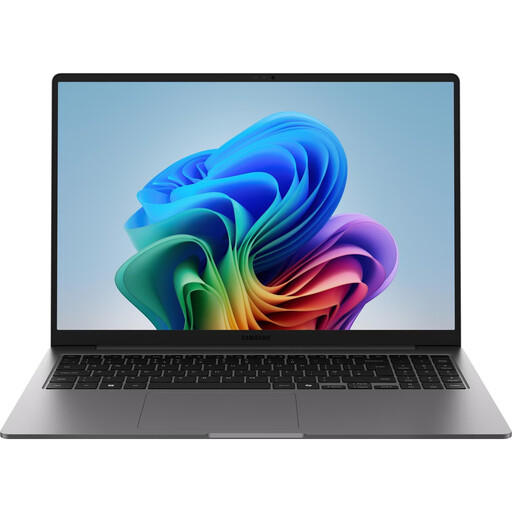
Samsung Galaxy Book6 Enterprise Edition, 16-inch, touchscreen
The 16-inch display and listed backlit QWERTZ keyboard are well suited to longer typing sessions without an external monitor.
The configuration includes an Intel Core Ultra 7 355, 16 GB LPDDR5X, a 512 GB NVMe SSD and Windows 11 Pro. It’s also listed at 1.74 kg, with an RJ45 port and a Mocha Grey finish.
View at Joybuy
 No image available
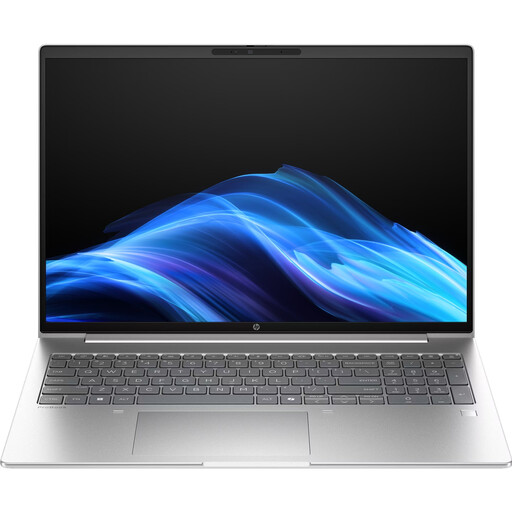
HP ProBook 4 G1a, 16-inch
The 16-inch WUXGA IPS display gives you a larger workspace for longer sessions entering minutes at your desk.
Specifications include an AMD Ryzen 5 230, 16 GB DDR5, a 512 GB SSD, AMD Radeon 760M and Windows 11 Pro. Product details also list a German keyboard with number pad, USB-C, USB-A, HDMI and RJ-45 ports, and a weight of 1.75 kg.
View at Joybuy
 No image available
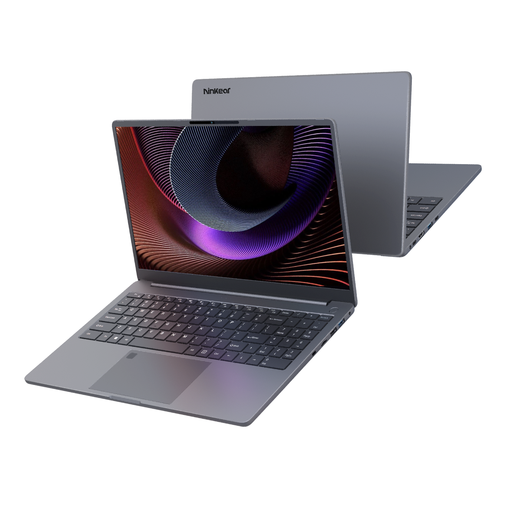
Ninkear A15 pro, 15.6-inch, 16 GB DDR4, 512 GB SSD
The 15.6-inch display is an option if you want more screen space for data entry than a compact laptop offers.
Product details list an FHD IPS display, 16 GB DDR4, a 512 GB SSD, Windows 11 and a 55.4 Wh battery. It’s also listed at 1.6 kg and has a 180° hinge.
View at Joybuy
 No image available
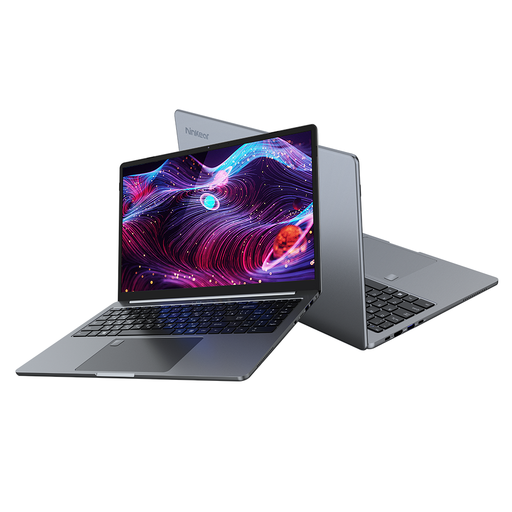
Ninkear A15 pro, 16-inch, 16 GB DDR4, 1 TB SSD
The 16-inch FHD display is an option if you want more screen space for longer data-entry sessions at a fixed workstation.
Specifications include 16 GB DDR4, a 1 TB SSD and Windows 11. The product is listed at 1.8 kg.
View at Joybuy
Frequently asked questions
Do I need a particularly powerful laptop for custom index fields?
Not just for the fields themselves. First check that your application provides the tables, forms and queries you need, and runs on the operating system you plan to use. LibreOffice Base describes its database features; you’ll need to check the requirements for other applications separately.
How should I handle old scanned minutes?
Test the scanning and OCR process with typical source documents, then check recognised names and dates against the original. Microsoft Support notes that OCR quality in OneNote depends on image quality.
Are statutory rights and a manufacturer’s warranty the same thing?
No. The European Union’s Your Europe information distinguishes statutory rights against the seller from an additional manufacturer’s warranty. The two-year legal guarantee mentioned there applies to consumer purchases. If an association is the contracting party, check in what capacity the buyer is acting rather than assuming that consumer rights automatically apply to an organisation’s purchase.
Can I store names from meeting minutes in a shared database without further checks?
Not in every case. If personal data is being processed and the GDPR applies to the specific activity, you need to consider principles including purpose limitation, data minimisation, integrity and confidentiality. The Federal Commissioner for Data Protection and Freedom of Information describes these principles. The legal basis, access rights and safeguards you need will depend on the information and how it is processed by your organisation.
What should I know about the software requirements for LibreOffice Base?
LibreOffice lists Java as a requirement for certain features, particularly in Base. Check which features your workflow needs and whether you can set up the required components on your chosen operating system.


