Local iOS testing with the Simulator
If you want to use Xcode and the iOS Simulator on your work laptop, you’ll need a Mac with a compatible version of macOS and Xcode. Apple Developer describes the iOS Simulators as part of Xcode for macOS.


For local iOS testing with Xcode and the iOS Simulator, you’ll need a Mac running a version of macOS that supports the version of Xcode you need. Android testing can also be carried out on suitable Windows or Linux laptops. The key factors are how many emulators you’ll use at once, the available storage and the ports you need for test devices.
If you want to use Xcode and the iOS Simulator on your work laptop, you’ll need a Mac with a compatible version of macOS and Xcode. Apple Developer describes the iOS Simulators as part of Xcode for macOS.
If you run several virtual Android devices alongside your development environment, plan for both RAM and available SSD space. Android Developers recommends 16 GB of RAM for a good emulator experience; running multiple AVDs at once requires additional resources.
If you connect test phones and, potentially, an external display, you’ll need the right ports and a reliable debugging connection. Google describes USB and Wi-Fi connections for ADB; a USB driver may be required for some devices on Windows.
A good fit if: Xcode or the local iOS Simulator is part of your testing workflow.
Worth considering: Before you buy, check that the version of Xcode you need works with the version of macOS on the specific Mac.
A good fit if: You test Android apps locally and don’t need local Xcode.
Worth considering: In its verified Android Studio installation guide, Google lists Windows computers with ARM processors as unsupported. For Linux, check the distribution, drivers and hardware acceleration.
| Buying consideration | What to check before buying | Who is this particularly important for? |
|---|---|---|
| Local iOS tools | Check that the Mac and its version of macOS are compatible with the version of Xcode you need; compare the specific memory configurations. Apple Developer documents the Xcode and macOS requirements. | If I test iOS apps locally with Xcode, my laptop needs to support the right tools. Around 31% of consumers say local iOS tools are their main consideration. |
| Multiple Android emulators | Plan for the number of AVDs you’ll use at once, and check RAM and available SSD space together. Android Developers gives around 4 GB of RAM per AVD and up to 6 GB of additional storage per extra AVD as planning figures. | Anyone running several virtual devices at once needs to account for their resources alongside Android Studio. Around 31% of consumers prioritise running multiple Android emulators at once. |
| Real devices and ports | Check that the specific model has the USB ports and display connections you need, and consider whether you’ll need a dock. Google says ADB can connect over USB or Wi-Fi; a device-specific USB driver may be needed on Windows. | At my regular home-working desk, I want to connect test phones and, if needed, an external display. Around 23% of consumers prioritise real devices and desk connections. |
| Options to upgrade later | Check whether the RAM, SSD or ports can be changed on the exact model, and which parts are compatible with its configuration. | If my testing needs might change, I want to check whether I can upgrade the specific laptop later. Around 15% of consumers prioritise long-term upgrade options. |
Apple provides the iOS Simulators as part of Xcode for macOS. A Windows laptop on its own doesn’t meet this requirement.
First, decide whether you need to test iOS locally. If you do, check that the Mac, its version of macOS and the version of Xcode you need are compatible before comparing other features.
As well as your development environment, additional virtual devices use extra RAM and storage. Android Developers gives around 4 GB of RAM per AVD and up to 6 GB of additional storage per extra AVD as planning figures.
Count the AVDs you’ll need to run at the same time, then check the specific RAM and SSD configuration and whether hardware acceleration is supported.
Google’s Android Studio installation guide lists Windows computers with ARM processors as unsupported.
If your workflow requires Android Studio to run locally, check that the processor platform is supported before you buy.
MacBook Air models are worth considering if you want to use Xcode and the iOS Simulators locally.
The AMD-powered ThinkPad T14 Gen 7 is a specific Windows configuration for Android testing.
The EliteBook 8 G1a AD3F0ET#ABD is a Windows configuration with 32 GB of RAM and a 1 TB SSD, for buyers planning to run multiple tasks locally.
The Framework Laptop 13 with AMD Ryzen AI 300 may appeal to buyers looking for configurable ports and the option to upgrade storage later.
The Joybuy products below include Windows laptops for Android testing and Macs for local iOS testing. Depending on your workflow, check the platform you need, the available resources and the ports on the specific configuration.
 No image available
For Android testing on a Windows laptop, with the option to connect test devices and a display at your desk.
AMD Ryzen 3 PRO 7335U; 16 GB DDR5 RAM; 512 GB SSD; Windows 11 Pro Education; WUXGA display; AMD Radeon 660M; USB4, USB 3.2, HDMI and RJ-45.
 No image available
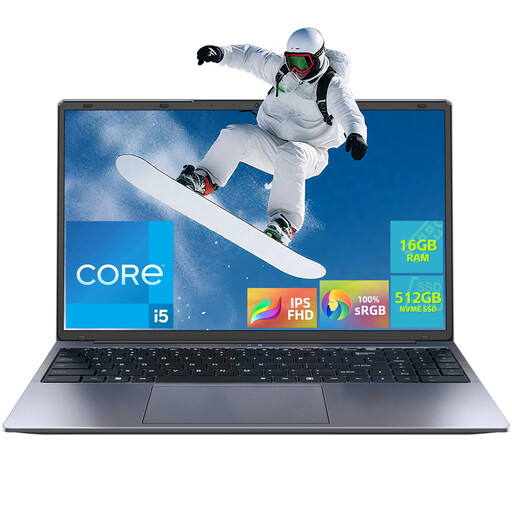
A Windows configuration for Android testing, with a listed RJ45 port for a wired workspace.
Intel Core i5-8210Y with 2 cores and 4 threads, up to 3.6 GHz; 16 GB RAM; 512 GB SSD; Windows 11 Pro; RJ45.
 No image available
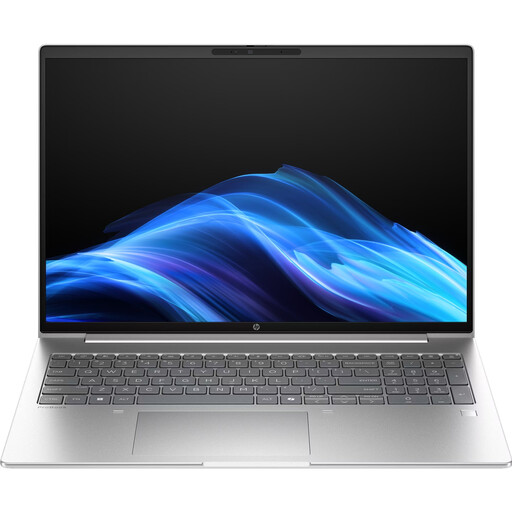
A Windows configuration for Android testing at a dedicated workstation, when you need to connect several types of device.
AMD Ryzen 5 230; 16 GB DDR5 RAM; 512 GB SSD; Windows 11 Pro; WUXGA IPS display; AMD Radeon 760M; USB-A, USB-C, HDMI and RJ45.
 No image available
For local iOS Simulator testing with Xcode, provided the version of Xcode you need is compatible with the installed version of macOS.
M5; 16 GB unified memory; 512 GB SSD; two Thunderbolt 4 ports; support for up to two external displays; German QWERTZ keyboard layout.
A power adapter is not included. Before buying, check which macOS versions are supported by the version of Xcode you need.
 No image available
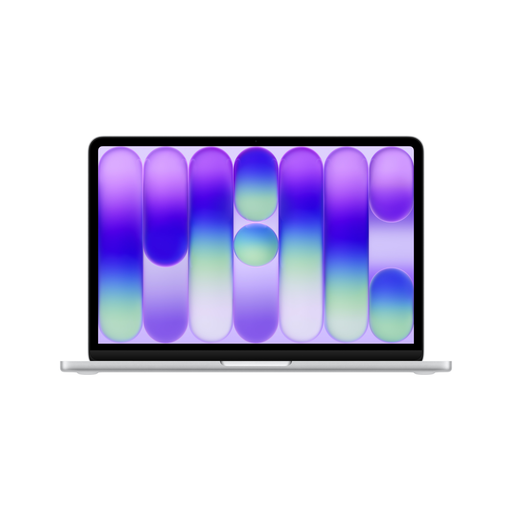
This configuration may suit you as a Mac for local iOS Simulator testing, provided the version of Xcode you need works with the installed version of macOS.
A18 Pro with 6-core CPU and 5-core GPU; 8 GB RAM; 256 GB SSD; two USB-C ports, one with DisplayPort support; support for one external display; German QWERTZ keyboard layout.
Google recommends 16 GB of RAM for a good Android emulator experience, so this 8 GB configuration falls short. A power adapter is not included; you’ll need a USB-C PD power supply of at least 20 W.
Yes. You need macOS to use the iOS Simulators in Xcode. Check that the version of Xcode you need supports the version of macOS on the specific Mac. If you’re testing Android without local Xcode, you don’t need a Mac for that reason.
Google recommends 16 GB of RAM for a good emulator experience. If you run several AVDs at once, you’ll also need to allow for their memory requirements and any other programmes you have open.
Google says you can connect to ADB via USB or Wi-Fi. Enable the required developer options on the device. On Windows, you may need a suitable driver for a USB connection.
For eligible online purchases made by consumers, there is generally a 14-day cancellation period from delivery, although exceptions may apply. This is separate from your statutory rights against the seller, which for purchases of goods in the EU last for at least two years. Whether you’re buying as a private consumer or on behalf of a business determines whether consumer rules apply.