Choose a laptop based on your editing software, footage resolution and codec — not simply the number of camera tracks. For Premiere on Windows, Adobe recommends 32 GB RAM or more for 4K and above. Proxies can make demanding original footage easier to edit, but they require extra storage.
Which setup is right for you?
Editors working with multiple camera angles
If you synchronise video tracks and audio sources, then switch between cameras while editing, choose a configuration that suits your footage and editing software. Adobe explains that Premiere can, among other methods, synchronise clips using a shared audio track.
Editors working with long recordings
Long interviews can generate original clips, cache files and proxy files, all of which need storage. Adobe recommends fast drives for media and cache, and describes proxies as lower-resolution copies for editing.
Mobile interview teams
If you take your laptop to shoots or review sessions, its display, weight and ports need to suit the way you work. Notebookcheck and ASUS list display and specification details for specific laptop configurations, which you can compare with your mobile setup before buying.
What should you look for when buying?
First, check which editing software you use, along with the resolution and codec of your files. For Premiere, Adobe recommends 16 GB RAM for HD and 32 GB or more for 4K and above. These figures apply to Premiere and are not a universal minimum requirement for every editing laptop.
| Buying criterion |
What to check |
Who will find this most important? |
| Multi-camera editing |
Match the editing software to your footage resolution and codec; check the RAM and graphics specifications of the exact configuration. |
If I need to switch between multiple camera angles in my editing software, a suitable multi-camera setup is my priority. Around 36% of consumers put smooth multi-camera editing first. |
| Storage for long projects |
Check how much SSD space is available for original files and cache; consider ports for fast external drives. |
For long interviews, I want to keep originals, cache and any proxies organised. Around 29% of consumers prioritise project storage. |
| Audio monitoring |
Check audio ports against your recording equipment; test synchronisation using a short section of the original footage. |
When I match dialect sections with external audio, I need the right ports and a chance to listen back. Around 21% of consumers prioritise voice and audio monitoring. |
| Working on the go |
Check the weight and display of the exact configuration; make sure the ports work with your cards, drives and monitors. |
For review sessions in different locations, I want to be able to carry and connect my laptop and recording media easily. Around 14% of consumers prioritise portability. |
Which buying mistakes should you avoid?
-
Assuming every model in a range matches the tested configuration
RAM, SSD and graphics specifications can vary between configurations. The same series name does not mean that a laptop on sale has the same specification as a tested model.
Check the full model number and compare the listed components with your editing workflow.
-
Relying on the internal SSD alone for original clips
Cache files and any proxies also need storage space alongside your original files. Adobe notes that fast external drives can be used to store media and cache.
Allow for originals, cache and proxies separately, and check that the laptop has the drive ports you need.
-
Confusing more graphics power with successful audio synchronisation
Synchronisation depends on having suitable timecode information or a shared audio track. More graphics power cannot replace the information captured during recording.
Before editing the full recording, check a short section of the original footage with both the camera audio and external audio.
Which brands are worth considering?
Apple
MacBook Pro for buyers whose editing software and devices suit a macOS workflow and who want to choose their storage and SSD carefully.
- Apple documents hardware acceleration for H.264, HEVC and ProRes.
- The tested MacBook Pro configuration with 64 GB RAM and a 4,096 GB SSD should not be assumed to match a differently specified version sold in a shop.
Lenovo
ThinkPad T1g Gen 8 as a Windows option for buyers who want to compare a specific creator-focused configuration.
- Notebookcheck lists 64 GB RAM and a 2,048 GB SSD for the tested 21TD003GE configuration.
- These specifications do not automatically apply to other T1g configurations.
ASUS
ProArt P16 H7606 for buyers looking for a Windows laptop with a large display and a carefully chosen graphics configuration.
- For one configuration, the ASUS shop lists 32 GB RAM, a 1 TB SSD and an RTX 4060 Laptop GPU with 8 GB of graphics memory.
- These manufacturer specifications apply to the configuration shown, not to every H7606 model.
Dell
Pro Max 16 Plus MB16250 as a configurable Windows workstation for buyers who want to choose their components and operating system.
- Dell lists several processor and operating system options.
- Changes to the configuration can affect other specifications; the series name alone does not guarantee a particular RAM or GPU specification.
HP
ZBook Studio G11 as a range of mobile Windows workstations for buyers who want to compare the exact specifications in advance.
- Depending on the configuration, HP lists discrete NVIDIA graphics, up to 64 GB of upgradeable RAM and a choice of storage options.
- Specifications depend on the configuration and are not guaranteed for every device on sale.
Laptops at Joybuy
This selection includes mobile Windows laptops and MacBook Air configurations for reviewing and editing footage. Check that the storage, ports and editing software on the exact configuration suit your project.
 No image available
HP OmniBook Ultra Flip 14-fh0670ng, 14-inch, 32 GB RAM, 1 TB SSD
For Premiere on Windows with 4K footage, the listed RAM meets Adobe’s recommendation of 32 GB or more. Playback performance will still depend on your footage and project.
Intel Core Ultra 7 258V; 32 GB RAM; 1 TB SSD; integrated Intel Arc graphics; two Thunderbolt 4 ports; 2-in-1 touchscreen with 2.8K OLED; Windows 11 Home; listed weight: 1.34 kg.
View at Joybuy
 No image available
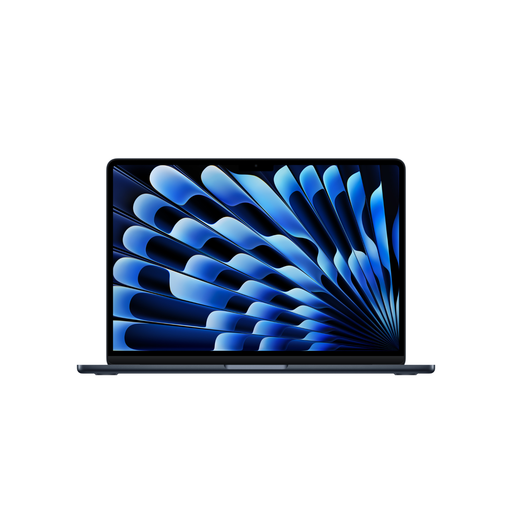
Apple 13-Inch MacBook Air (M5, 2026), 10-Core CPU, 8-Core GPU, 16 GB, 512 GB SSD
A mobile macOS option if your editing software and connected devices are compatible with macOS. Check that the storage is sufficient for your original files, cache and any proxies.
13.6-inch display; listed weight: 1.23 kg; two Thunderbolt 4 ports and a headphone jack; German QWERTZ keyboard. A power adapter is not included and must be purchased separately.
View at Joybuy
 No image available
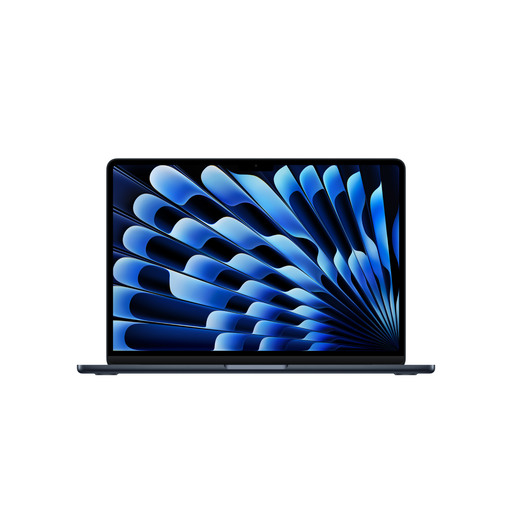
Apple 15-Inch MacBook Air (M5, 2026), 10-Core CPU, 10-Core GPU, 16 GB, 512 GB SSD
A macOS option with a larger display for reviewing and editing on the go, provided your software and devices are compatible. Check whether 512 GB is enough for your footage and planned storage workflow.
15.3-inch display; listed weight: 1.51 kg; Thunderbolt 4 and a headphone jack; German QWERTZ keyboard. A power adapter is not included and must be purchased separately.
View at Joybuy
 No image available
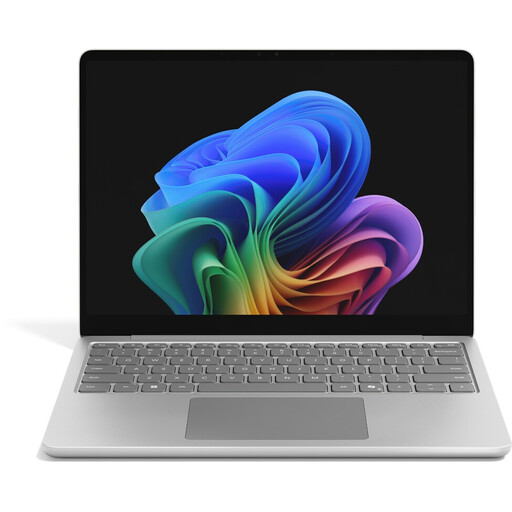
Microsoft Surface Laptop 8, Core Ultra 5, 24 GB RAM, 512 GB SSD, Platinum
If you use Premiere on Windows, the listed 24 GB RAM sits between Adobe’s recommendation for HD and its recommendation of 32 GB or more for 4K and above.
13-inch touchscreen; listed weight: 1.24 kg; integrated Intel graphics; headphone jack.
View at Joybuy
 No image available
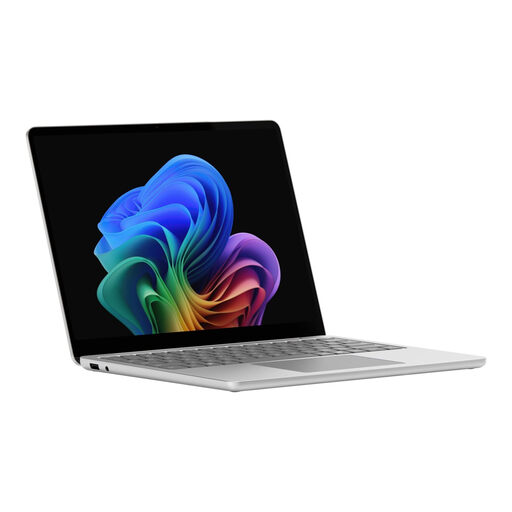
Microsoft Surface Laptop 8, Core Ultra 5, 24 GB RAM, 1 TB SSD, Platinum
If you use Premiere on Windows, the listed 24 GB RAM sits between Adobe’s recommendation for HD and its recommendation of 32 GB or more for 4K and above. The 1 TB SSD offers more listed local storage than the 512 GB version.
13-inch touchscreen; integrated Intel graphics; Wi-Fi 7; headphone jack.
View at Joybuy
Frequently asked questions
Do I need a specific amount of RAM for multiple interview cameras?
Not simply because of the number of cameras. For Premiere on Windows, Adobe recommends 16 GB RAM for HD and 32 GB or more for 4K and above. Also check your software version and the resolution and codec of your files. These are recommendations for Premiere, not a universal minimum for every editing laptop.
How do I synchronise interview footage with external audio?
Premiere can synchronise multicamera source sequences using timecode or a shared audio track, among other methods. Choose the method that matches the recording information you actually have, then check that everything lines up in a short section.
What can I do if the original files stutter during review?
For suitable video clips, you can create lower-resolution proxies in Premiere for editing. Allow for the extra files and a suitable fast drive, and check whether any restrictions apply to particular clips, such as those with subtitles.


