What should you look for when choosing one?
First, work out whether you’ll mainly be comparing records manually or processing larger collections locally with OCR. Then you can prioritise the screen, ports, storage and portability to suit your workspace.
| What you need |
What to check before buying |
Who is this important for? |
| Matching duplicate records |
Check that the screen and ports suit your comparison work, and that your cataloguing software can record issues and provenance separately. |
If I want to avoid merging similar titles too quickly and keep track of the issue, page and provenance, a clear comparison view is important. Around 33% of consumers prioritise matching duplicate records and issues. |
| Local OCR and files |
Compare the RAM, SSD capacity and potential for expansion of the specific variant with your OCR software’s requirements and the size of your collection. |
If I run OCR on my laptop and manage scans, full text and working copies locally, the specifications need to suit my software and the volume of files. Around 25% of consumers prioritise local OCR and the files involved. |
| Viewing source material |
Check the screen size, resolution and anti-glare finish, as well as the right video port for your monitor. |
If I want to read and cross-check scans and metadata at the same time, I need a view that works well for my workspace. Around 25% of consumers prioritise visual checks of source material. |
| Moving between workstations |
Check the weight of the specific configuration and make sure its ports work with your storage devices, scanners and monitors. |
If I review collections in different locations, I want to connect the devices I need without unnecessary extra adapters and carry my laptop with ease. Around 17% of consumers prioritise portability between workstations. |
Joybuy laptops for newspaper cataloguing
The following Joybuy products are intended for reviewing historical newspaper pages, working with local files and using different workstations. In each case, check the details against the full variant and your software requirements.
 No image available
Acer TravelMate TMP216-41-TCO, 16-inch
This 16-inch variant is worth considering for manually reviewing and comparing pages and records. Check the specific configuration to make sure it suits your workspace.
Listed in the product name: WUXGA, AMD Ryzen 3 PRO 7335U, 16 GB DDR5, 512 GB SSD, AMD Radeon 660M and Windows 11 Pro Education.
View at Joybuy
 No image available
Lenovo ThinkPad E16 Gen 3 21ST
The listed storage and RAM configuration may be useful for large collections of local working files. Check that it suits your OCR software and collection.
Listed in the product name: AMD Ryzen 7 250 at 3.3 GHz, Windows 11 Pro, Radeon 780M, 32 GB RAM and a 1 TB SSD.
View at Joybuy
 No image available
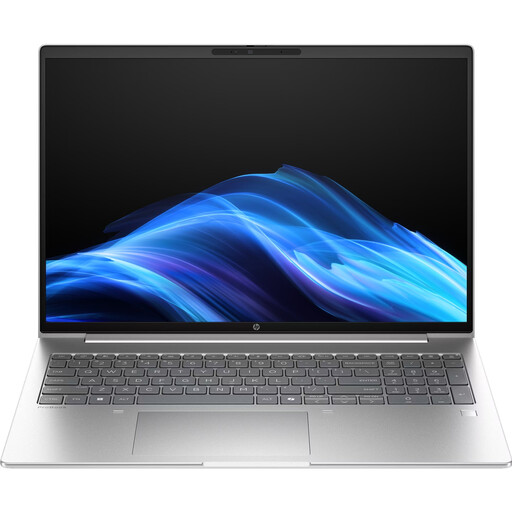
HP ProBook 4 G1a, 16-inch
The listed screen size and specifications may suit viewing source material and storing local files. Check the exact configuration and your software requirements.
Listed in the product name: AMD Ryzen 5 230, 16 GB DDR5 RAM, 512 GB SSD, WUXGA IPS screen, AMD Radeon 760M and Windows 11 Pro.
View at Joybuy
 No image available
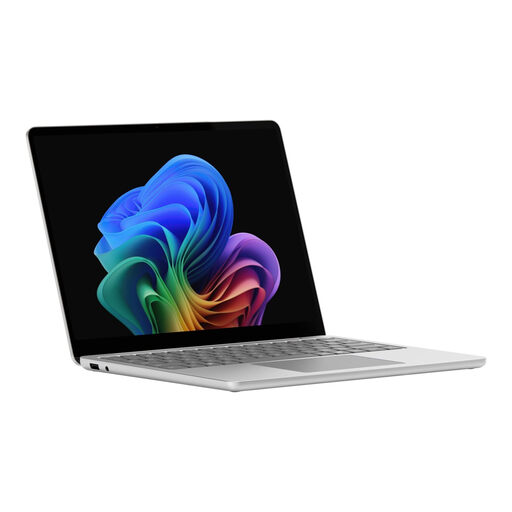
Microsoft Surface Laptop 8 Core Ultra 5
This configuration may be worth considering for reviewing material on the move and storing local files. Check that the smaller screen suits the way you compare pages.
Listed in the product name: 24 GB RAM, a 1 TB SSD and Platinum.
View at Joybuy
Frequently asked questions
Will a powerful laptop automatically identify duplicate newspaper records?
No. A laptop provides processing power and a workspace, but whether two records relate to the same issue, different pages or separate copies depends on the metadata and the rules in your cataloguing workflow. The Library of Congress treats titles, issues, pages and other objects as distinct but linked levels. Record provenance and the original order before merging records.
How do I set up an OCR workflow that I can check?
Keep original scans separate from working copies, and test OCR and subsequent visual checks on sample pages of your own to see how well they suit your source material. Allow storage space for images, full text and working copies, and set up a separate backup. Laptop specifications alone can’t tell you how accurate the results will be. The Zeitschriftendatenbank lists OCR full text as a separate digitisation step.
Can I copy and index historical newspapers in Germany without carrying out any further checks?
No, you shouldn’t assume that you can. Section 60e(1) of the UrhG allows certain publicly accessible libraries that do not pursue direct or indirect commercial purposes to make copies of works in their collections, including for indexing. You’ll need to check separately whether your situation meets these conditions and whether digitised copies can also be published; Section 44b of the UrhG sets out separate conditions for text and data mining. The relevant requirements are set out in the legislation published on Gesetze im Internet.
What rights apply when buying a laptop online?
For a qualifying online purchase by a consumer, there is generally a 14-day right to cancel from the date of delivery. If goods are faulty, you have statutory rights against the seller, which, according to EU guidance, apply for at least two years. Exceptions to the right to cancel and the requirements for consumer status should also be taken into account. Your Europe’s guidance distinguishes the right to cancel from claims relating to faulty goods.


