Start by choosing your development environment and microcontroller, then check that the operating system, board and USB data connection are compatible. A larger screen can be useful for a permanent workspace, while a more compact device and suitable battery-life specifications may be better if you’re on the move. To work without an internet connection, you’ll need to have your development tools, board package, required libraries and documentation available locally in advance.
Who is this laptop for?
Offline makers
If you want to programme your row counter without an internet connection and read instructions saved locally, set up your development environment, board package, required libraries and documentation in advance. Arduino describes its desktop IDE as usable offline.
Board tinkerers
If you regularly upload programmes to a prototype or use a serial connection, check that your specific board is supported and that your USB cable can transfer data. Raspberry Pi documents a USB Serial connection for the Pico with MicroPython.
Mobile project workers
If you work in different places, you’ll need to weigh portability against screen space. Manufacturer specifications for screen size and battery life apply to the configuration and test method described.
What should you consider when choosing?
First, decide on your microcontroller and development setup. Then you can check the operating system, connections, screen and local storage against the way you work.
| What matters |
What to check before buying |
Who is it important to? |
| Working offline |
Supported desktop operating system; ability to keep the board package, libraries and documentation available locally. |
If I want to use development tools and instructions without an internet connection, I’ll prepare the files I need in advance. Around 36% of consumers put offline work first. |
| Connecting the board |
Support for the board and development environment; data cable and compatible USB ports. |
If I want to connect my row counter prototype and upload programmes, I’ll check the cable, port and board together. Around 29% of consumers prioritise connecting to the board. |
| Screen and portability |
Screen size of the specific configuration; relevant battery-life specifications and suitability for frequent travel. |
If I take my laptop with me often, a device that’s easy to carry matters more to me than having as much screen space as possible. About 21% of consumers rank portability as their main concern. |
| Long-term use |
Full specification of the model configuration; cables you already have and any adapters you may need. |
If I want to use my laptop for longer, I’ll compare its specification with what I already own rather than focusing only on the product range name. Around 14% of consumers prioritise cost and how long they’ll use it. |
Common misconceptions when buying a laptop
-
An offline IDE doesn’t mean your whole project is ready to use offline
The development environment may run locally, but you could still be missing the package for your board, a required library or the instructions.
Set up your specific board and the files you need in advance, then test the entire workflow without an internet connection.
-
A matching connector doesn’t guarantee a data connection
Arduino notes that a charge-only cable can be one reason a board isn’t recognised. A USB-A cable also won’t necessarily connect directly to a device with USB-C ports only.
Check that your cable transfers data, and make sure its connector matches both the board’s port and the laptop’s port.
Depending on what you already have, you may need a data cable or a suitable adapter.
-
The same product range name doesn’t mean the specifications are the same
Configurations within a product range can differ. HP lists 24 GB RAM for the ProBook configuration AD2N1ET#ABD reviewed here; another ProBook listing is described as having 16 GB RAM and a different processor.
Before buying, compare the full model number, processor, memory and ports rather than just the range name and screen size.
Brands to consider
HP
The ProBook 4 G1a range includes configurations with 14- or 16-inch screens.
- For the 14-inch configuration CB4M5EA#ABD reviewed here, HP lists HDMI, Type-A and two Type-C ports.
- The 16-inch configuration AD2N1ET#ABD described has 24 GB RAM and a 512 GB SSD. These specifications relate to different configurations; they aren’t independent performance tests or claims about all ProBook models.
Lenovo
The ThinkPad E14 Gen 8 AMD is a 14-inch option to consider if you want to compare ports and possible future memory upgrades.
- Lenovo’s specifications list USB-A, USB-C, HDMI and Ethernet.
- Processor, memory and display specifications vary across the range. Check the full model number of the specific configuration.
Apple
The 13-inch MacBook Air M5 is a compact macOS option, provided your development environment and board are compatible with it.
- Apple lists two USB-C-format Thunderbolt 4 ports for the 13-inch model.
- You’ll need a suitable connection for an existing USB-A data cable. Check that your specific board and software are compatible.
ASUS
The Vivobook 15 X1504 range includes larger-screen configurations to consider when comparing models.
- ASUS lists several X1504 sub-variants.
- The model overview doesn’t confirm that every specification or sub-variant is available in Germany. The full model number is what matters.
Framework
The Laptop 13 may appeal if you want to choose your own ports using expansion cards.
- Framework offers a USB-A expansion card.
- On the documented Laptop 13 with AMD Ryzen 7040 Series, port functions depend on the expansion card slot used.
Joybuy laptops for a local development environment
The Joybuy picks below are Windows laptops for a local development environment. Before buying, check that your board, cable and required software are compatible with the specific configuration.
 No image available
Lenovo ThinkBook 16 G9 AHP 21UT
The listed specifications include a 16-inch display for viewing code and locally saved documentation.
- Windows 11 Pro
- USB-A, USB-C and HDMI
- 32 GB RAM and 1 TB SSD
- AMD Ryzen 5 220, Radeon 740M
View at Joybuy
 No image available
Lenovo ThinkPad E16 Gen 3 21ST
The 16-inch WUXGA display is a good option if you want more screen space for reading code and documentation.
- Windows 11 Pro
- USB-A, USB-C and HDMI
- AMD Ryzen 7 250, Radeon 780M
- 32 GB RAM and 1 TB SSD
View at Joybuy
 No image available
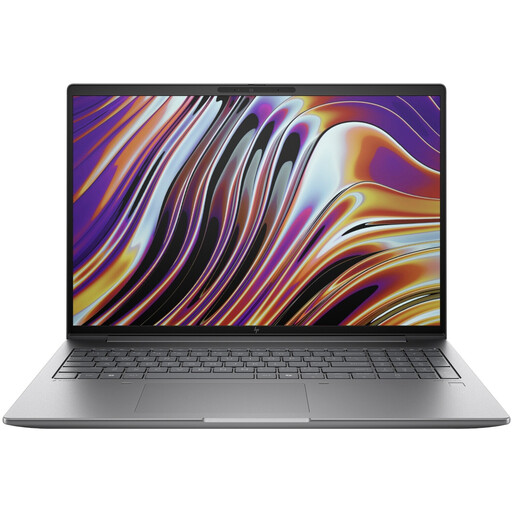
HP ZBook Power 16 Ryzen 7 8845HS
Windows 11 Pro is listed for this local development setup; you should also check that your specific board is supported.
- 16-inch WUXGA display
- USB 4.0 and USB 3.2
- 32 GB RAM and 1 TB SSD
View at Joybuy
 No image available
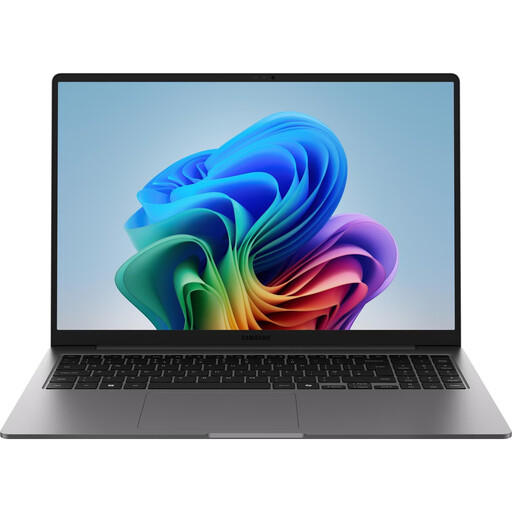
Samsung Galaxy Book6 Enterprise Edition 16" Touchscreen
Windows 11 Pro is listed; before working offline, check that the board package and documentation are available locally.
- 16-inch WUXGA touchscreen
- Intel Core Ultra 7 355
- 16 GB LPDDR5X RAM and 512 GB NVMe SSD
- RJ45
View at Joybuy
 No image available
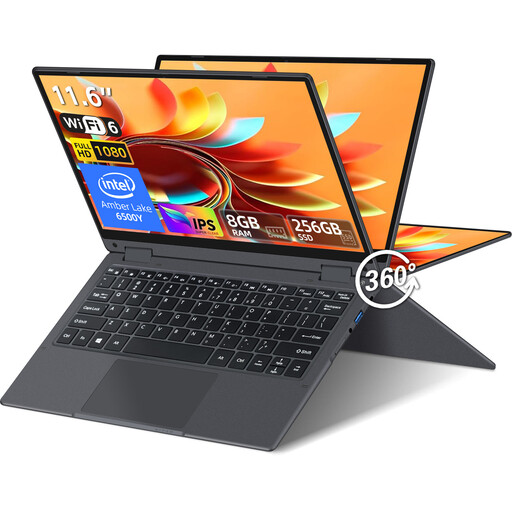
YOGA 11.6-inch 360° Touchscreen Laptop
Windows 11 Pro is listed. Also check that your development environment and board are compatible with this configuration.
- 11.6-inch touchscreen, rotates 360°
- Intel Pentium Gold 6500Y
- 8 GB RAM and 256 GB SSD
View at Joybuy
Frequently asked questions
Can you really programme an Arduino without an internet connection?
Yes. Arduino describes a desktop IDE that you can use offline to write and upload programmes. Install the software and set up the package for your board, along with any required libraries, in advance; save any instructions you need locally too.
What should I check if my laptop doesn’t recognise the counter board?
First, check that you’re using a USB cable that transfers data rather than a charge-only cable, and that the cable, port and board are compatible. Then check that you’ve selected the right board and port in your development environment.
What are my rights when buying online in Germany regarding returns and faulty goods?
Consumers generally have 14 days from receiving the goods to withdraw from an online purchase; exceptions and the circumstances of the purchase should be taken into account. If newly purchased goods are faulty, you can generally exercise your statutory rights against the seller within two years of receiving them. This is separate from a voluntary manufacturer’s guarantee; the consumer advice centre explains these rights.
Can an old laptop go in household rubbish?
No. According to the Federal Ministry for the Environment, old electrical equipment must be handed in at an authorised collection point, such as a local collection centre or, subject to the applicable conditions, a retailer or manufacturer.


