If you edit product photos right beside a bright window, first check whether you can read the display comfortably in that environment. A matte or anti-glare finish and a suitable SDR or standard brightness rating matter more for this than an HDR peak figure on its own. For colour-critical work, you’ll also need a suitable colour gamut and a controlled, calibrated workflow. Make sure the RAM, storage and ports suit your image files and software.
Who edits product photos by a window?
Photo editors working by a window
If you often review product photos directly on your laptop, you’ll need to weigh up display reflections and readability as the natural light changes. Notebookcheck and Apple list different display features that are worth comparing on specific configurations.
Product photographers who need accurate colour
For the most consistent product colours, consider your display, lighting and calibration as parts of the same workflow. EIZO notes that calibration can’t make up for a colour gamut that’s too small or irregularities in the panel.
Editors working with large batches of images
If you import and edit lots of large files, compare the RAM, available storage and ports with your software requirements and file workflow. Adobe publishes requirements for Photoshop, while ASUS lists an SD Express reader on a specific ProArt configuration.
What should you look for when buying?
Start with how easy the screen is to read at your window-side workspace. Then check colour control, software requirements and file imports against the way you actually work.
| What matters |
What to check before buying |
Who should consider it? |
| Readability by a window |
Check the finish and SDR or standard brightness rating of the exact display configuration. If possible, view it in similar lighting conditions. |
If you review photos on the built-in display right beside a bright window, you’ll want to avoid reflections and poor readability. Around 36% of consumers prioritise screen readability by a window. |
| Colour control |
Consider the colour gamut of the specific display configuration, as well as the lighting and calibration options at your workspace. |
If you want product colours to look as consistent as possible throughout the editing process, plan for your display, lighting and calibration together. Around 29% of consumers prioritise colour control. |
| Performance for photo editing |
Decide which software and version you’ll use, then check the RAM and available storage against their requirements and your files. |
If you edit large files, you’ll need specifications that suit your software and workload. Around 21% of consumers prioritise editing performance. |
| Photo imports and storage |
Check that the ports work with your camera, card reader and drives. Plan your archive and backups separately. |
If you import photos from memory cards and use your existing drives, you’ll want to avoid unnecessary steps when transferring and backing up files. Around 14% of consumers prioritise their file and device workflow. |
For Photoshop 27.x, Adobe lists 8 GB RAM as the minimum and 16 GB or more as the recommended amount. Also check the requirements for the software and versions you actually use.
Common buying mistakes
-
Confusing HDR peak brightness with brightness for everyday photo editing
Apple and ASUS list HDR peak brightness separately from SDR or standard brightness ratings. A peak figure alone therefore won’t tell you how easy the display is to read during everyday photo editing by a window.
Compare the brightness rating that’s relevant to your use for the same display configuration, and take the light at your workspace into account.
-
Assuming a wide colour gamut can replace a controlled colour workflow
A stated colour gamut alone doesn’t guarantee that you can assess your image files accurately. EIZO notes that calibration can’t correct a colour gamut that’s too small or irregularities in the panel.
Build colour control into your workflow and check that you can reliably manage the lighting and calibration at your window-side workspace.
-
Assuming every configuration in a range has the same specifications
Display features, brightness ratings and ports can vary by configuration; Apple’s nano-texture finish, for example, is optional. The specifications listed for particular HP and ASUS configurations don’t automatically apply to other models in the same range.
Before buying, check the full model number, display and ports of the specific product on offer.
Key brands at a glance
Apple
Worth considering if your photo software runs on macOS and you want to compare display options on a specific MacBook Pro configuration.
- For the 14-inch model with Liquid Retina XDR, Apple lists up to 1,000 nits of outdoor SDR brightness.
- Nano-texture is an option, so check that it’s included on the configuration you order. The 1,600-nit figure refers to HDR peak brightness and doesn’t mean the display will be reflection-free beside every window.
Lenovo
The ThinkPad T1g Gen 8 range is worth comparing if you’re looking at high-performance Windows configurations.
- The 21TD003GE configuration listed by Notebookcheck has a matte 16-inch display.
- These display and performance specifications apply to the 21TD003GE, not necessarily to every T1g configuration.
HP
A specific ZBook configuration may suit buyers who want to assess an anti-glare Windows display alongside more demanding photo work.
- For configuration B72Y3ET#ABD, HP lists an anti-glare 16-inch IPS display with 500 nits and 100% DCI-P3.
- These specifications apply to this configuration and shouldn’t be assumed to apply to other ZBooks.
ASUS
The ProArt P16 may be worth comparing for its display, demanding creative workloads and import ports.
- For the H7606WX-SE090X, ASUS lists an OLED touchscreen with 700 cd/m² standard brightness and up to 1,000 cd/m² peak brightness, as well as an SD Express reader.
- These manufacturer specifications apply to this specific configuration and don’t show how easy it is to read at your own window-side workspace.
Joybuy laptops for this type of work
You can compare the following Joybuy laptops for editing photos by a window using their listed display, RAM and storage specifications. Pay particular attention to the finish of the display on the specific configuration, its brightness rating and your software requirements.
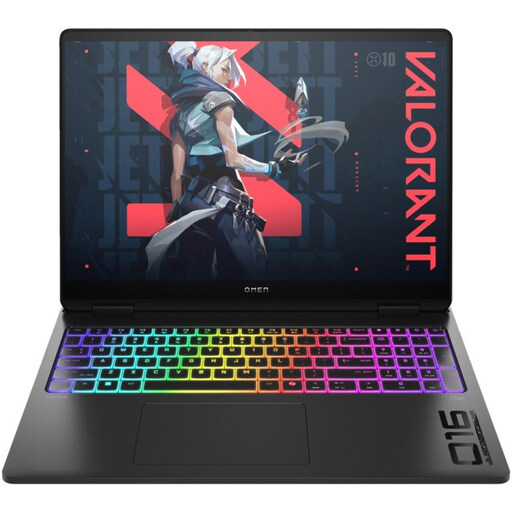 Image unavailable
HP OMEN MAX 16-ak0693ng
The stated anti-glare display finish is worth considering when comparing laptops for reviewing photos by a window.
16-inch IPS display, anti-glare, 500 cd/m²; 32 GB RAM; 1 TB SSD; AMD Ryzen AI 9 HX 375; GeForce RTX 5070 Ti 12GB; WQXGA 240Hz; Windows 11 Home.
Compare the brightness and finish specifications with the lighting conditions at your workspace.
Joybuy
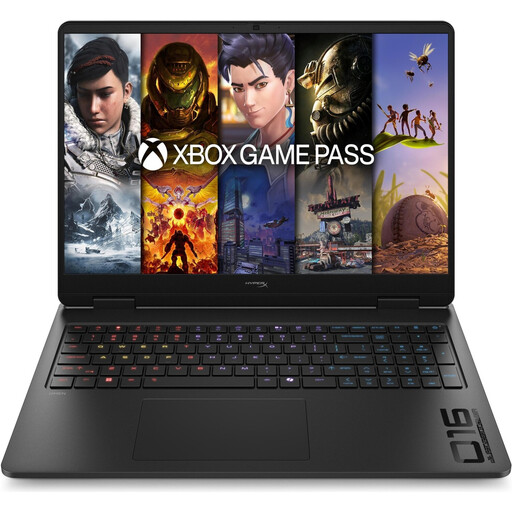 Image unavailable
HP OMEN 16-ap1071ng
The display and storage specifications give you a starting point for comparing it with your window-side workspace and photo-editing software.
16-inch IPS display, 400 cd/m²; 16 GB RAM; 1 TB SSD; AMD Ryzen 7 8745HX; GeForce RTX 5060; QHD; Windows 11 Home.
The display description doesn’t specify an anti-glare finish. Check the exact configuration if reflections are a key concern for you.
Joybuy
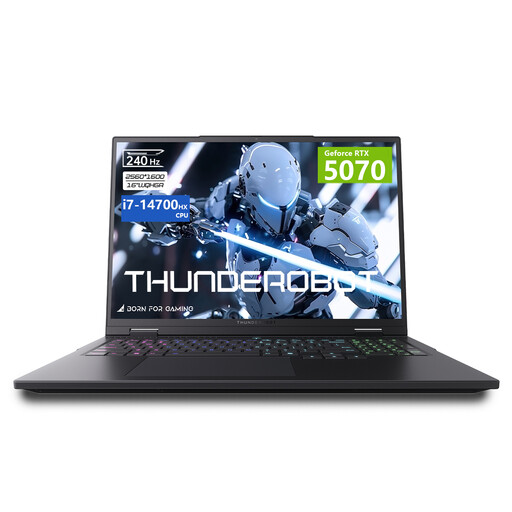 Image unavailable
THUNDEROBOT Radiant 16
The matte finish and colour gamut specifications are useful points of comparison when choosing a laptop for reviewing images by a window.
16-inch display, matte, 500 Nits, 100% DCI-P3; 32 GB RAM; Intel Core i7-14700HX; RTX 5070; 240Hz.
Compare the display specifications with your lighting conditions and check that the rest of the configuration suits your software.
Joybuy
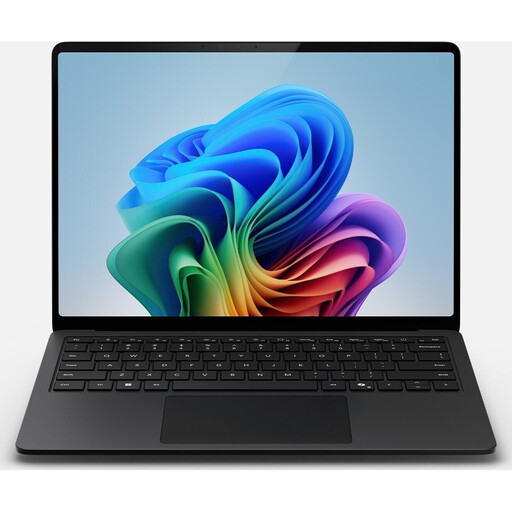 Image unavailable
Microsoft Surface Laptop 7 Snapdragon X Plus
If you’re comparing more compact devices for a mobile photo-editing setup, screen size and weight are useful factors to consider.
13.8-inch touchscreen, 600 cd/m²; 16 GB RAM; 512 GB SSD; 1.34 kg.
Check the display finish and the software requirements for your photo-editing work on the specific configuration.
Joybuy
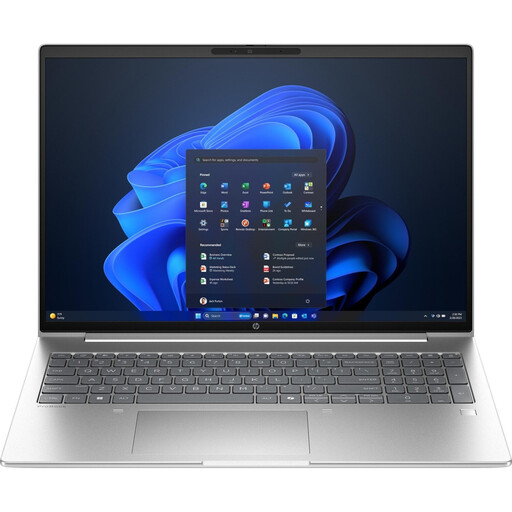 Image unavailable
HP ProBook 4 16 G1i
For photo editing on a laptop, you can compare the display and storage specifications with your workspace and the size of your files.
16-inch IPS display, 1920 × 1200, 400 cd/m²; 32 GB RAM; 1 TB SSD; Intel Core Ultra 7 255U; Windows 11 Pro.
Check the display finish on the specific configuration if you work right beside a bright window.
Joybuy
Frequently asked questions
Is high HDR peak brightness enough for editing by a window?
No. An HDR peak figure alone isn’t enough to assess this. Compare the brightness specified for everyday photo editing separately from HDR or peak figures, and check for reflections in your lighting conditions. Apple and ASUS list these figures separately.
How do I set up a workspace for colour-critical product photos?
Assess your display and ambient lighting together, and build calibration into your workflow. EIZO notes that calibration can’t correct a colour gamut that’s too small or irregularities in the panel.
Does every laptop for product photography need at least 16 GB RAM?
No. It depends on the software and version you use. For Photoshop 27.x, Adobe lists 8 GB as the minimum and 16 GB or more as the recommended amount. Also check the requirements of your other programmes and the size of your files.
What return and fault rights should I know about when buying in Germany?
According to Verbraucherzentrale, consumers who buy online generally have a 14-day right to cancel; you must notify the other party to the contract that you’re cancelling. Your statutory rights against the seller are separate from any voluntary guarantee. If you’re buying for a business, check the contract terms separately rather than assuming consumer rights apply.


