Organising observations on a small desk
When space is limited, the laptop’s footprint and a clear view of your photos matter. Check the dimensions of the specific model and leave room for the charger and mouse too.


If you mainly import and organise plant photos and use web-based identification suggestions, choose a compact 13- to 13.6-inch laptop or a 14-inch model based on the space available on your desk and the view you want of your images. A 14-inch display can give you more room for photos and notes, but it will take up more space on your desk. For demanding editing or local classification, check the requirements of your software first; identification suggestions alone cannot confirm a plant species.
When space is limited, the laptop’s footprint and a clear view of your photos matter. Check the dimensions of the specific model and leave room for the charger and mouse too.
If you look at image details alongside notes or other information, compare the display and photo-import options on the specific model. iNaturalist describes automated identifications as suggestions, not confirmed species.
If you want to analyse plant photos using locally installed software, check its operating system and system requirements before buying. A processor or AI label alone won’t tell you whether a laptop is suitable for a particular programme.
On a small desk, first check how much space the laptop takes up and how you want to view your photos. Then consider photo importing, followed by any need for local software.
| Priority | What to check before buying | Who should consider this? |
|---|---|---|
| Desk space and viewing photos | Compare the laptop’s dimensions with the space available; check the display size and resolution of the specific model. | If I need room for my laptop, charger and mouse on a small desk, I still want to be able to view photos clearly. Around 36% of consumers put desk space first. |
| Assessing image details | Check how your own photos look on the display; verify uncertain species suggestions using other features or expert feedback. | If you compare plant features in photos, you’ll want a view that suits the way you work. Around 29% of consumers prioritise assessing image details. |
| Importing and organising photos | Compare the memory card type and connections on your camera with those on the specific laptop; check the import process in advance. | If I want to add photos to an organised collection without a complicated process, I need an easy way to import them. Around 21% of consumers say photo importing and organisation are their top priority. |
| Using local software | Choose your programme and operating system first, then compare the documented requirements with the exact configuration. | If you want to run analysis software directly on your laptop, make sure you know what it requires before buying. Around 14% of consumers prioritise compatibility with local software. |
A processor label doesn’t tell you how reliably a service can identify plants. iNaturalist describes its image recognition as providing suggestions and notes that the correct species may not appear among the possible suggestions.
First decide whether you want to use web-based suggestions or a specific local programme. Check uncertain identifications against other features or expert feedback.
The screen size alone doesn’t tell you whether the laptop will fit on your desk or leave enough room for a mouse, cables and other things you need for work.
Measure the space available and compare it with the dimensions of the specific model.
Depending on the model and what’s included, a charger or a suitable connection for your camera and memory card may not be supplied.
Before buying, check what’s included and make sure the laptop has the connections you need for your devices and cables.
The MacBook Air 13 M5 is a compact macOS option for viewing photos and working in a browser.
The ThinkPad T14 Gen 6 is a 14-inch Windows option with clearly specified features.
The Swift Go 14 OLED NX.KF1EV.001 is a Windows option with a specified way to import photos.
The EliteBook 840 G11 is a 14-inch Windows option with a clearly specified storage configuration.
The Zenbook 14 OLED UX3405 range offers another option to consider when comparing 14-inch displays.
This selection includes compact 13-inch models and 14-inch laptops for viewing and organising photos. Compare the space they take up, and check that your programmes are compatible with the operating system before buying.
 No image available
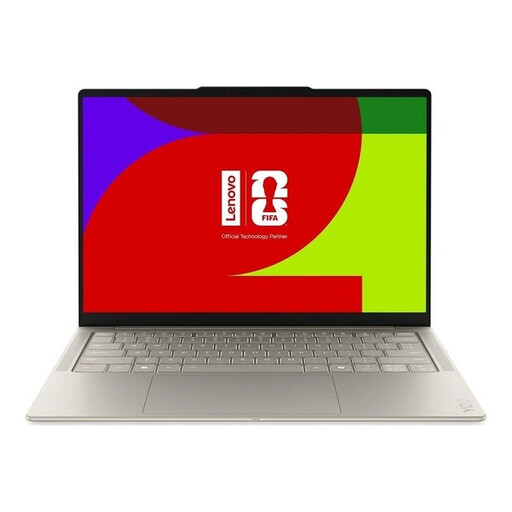
The 14-inch version may suit you if you’d like more screen space for photos and notes; check its dimensions against your desk.
Display: 14-inch, 2.8K OLED. Memory and storage: 16 GB RAM and 1 TB SSD. Processor: Core Ultra 7 355. Operating system: Win11 Evo.
 No image available
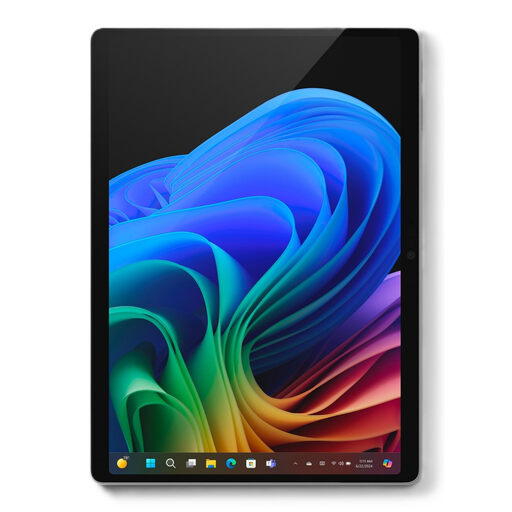
The 13-inch size is a compact option if desk space is limited, but check the actual footprint to make sure it suits your setup.
Display: 13-inch. Processor: Snapdragon X Plus. Memory and storage: 16 GB RAM and 512 GB SSD.
 No image available
The 14-inch size may suit you if you want to view photos on the built-in display and have enough room for the laptop.
Display: 14-inch, 2.8K OLED. Memory and storage: 32 GB RAM and 1 TB SSD. Processor: Core Ultra 7 258V. Design: 2-in-1.
 No image available
The compact MacBook Air may suit you if you mainly view photos and work in a browser; check that your programmes are compatible.
Memory and storage: 16 GB and 512 GB SSD. Processor and graphics: 10-core CPU and 8-core GPU. The product information states that no charger is included; check whether you already have a compatible one or need to buy one separately.
No image available
The compact MacBook Air may suit you if you mainly view photos and work in a browser; check that your programmes are compatible.
Memory and storage: 16 GB and 1 TB SSD. Processor and graphics: 10-core CPU and 10-core GPU. The product information states that no charger is included; check whether you already have a compatible one or need to buy one separately.
No. AI features don’t prove how accurate an identification will be. iNaturalist describes image recognition as providing suggestions that the community can review, and notes that the correct species may not appear among the possible suggestions.
Microsoft’s Photos app lets you import media from devices and organise it into folders. Check whether you can connect your camera directly or need a suitable card reader or adapter; available connections vary by model.
Check your location settings on iNaturalist and look out for identifiable location details in your photos. iNaturalist explains that observations are public and that access to location details can be restricted; for certain endangered species, access is restricted automatically. This is a platform feature, not a general statement about German data protection law.
No. The consumer advice centre distinguishes statutory rights against the seller from a voluntary guarantee. Check the terms of any optional protection plan and don’t treat it as a replacement for your statutory rights.
For distance purchases, the German Federal Ministry of Justice and Consumer Protection generally explains that there is a 14-day withdrawal period; the start of the period, the information provided and the specific contract all matter. According to the German Federal Environment Ministry, waste electrical equipment must be taken to an authorised collection point. Retailers’ take-back obligations depend, among other things, on their sales area and whether you are buying a new item.