If you need to work with code, directory listings and a browser preview side by side, a larger display can be useful. If you regularly travel to market events, a lighter, more compact device may fit your routine better. You should also check the requirements of your development tools and the specifications of the exact model. A browser preview is no substitute for testing on a real mobile device.
Which laptop suits which user?
Developers who spend a lot of time working at a desk
If you’re editing directory listings, CSS and a browser preview at the same time, usable screen space matters. MDN describes responsive design as an approach to making content work well across different screen sizes and resolutions.
Developers with a local test environment
If you’re running local services or containers alongside your editor and browser, check the requirements of all the programmes you actually use on your operating system. Microsoft and Docker document the requirements for their respective tools.
Directory managers who work on the move
If you move between your desk and market events, you’ll need to balance screen space against portability. ASUS lists the Vivobook 16 M1607KA-MB053W at 1.88 kg; Apple specifies a 13.6-inch display for the 13-inch MacBook Air M5.
What should you consider when choosing?
Larger Windows laptop
A good fit if: you usually work in one place and edit code, listings and a preview side by side.
The trade-off: ASUS lists the Vivobook 16 M1607KA-MB053W at 1.88 kg, so bear in mind that you may need to carry it frequently.
More compact Windows laptop
A good fit if: you need Windows tools and regularly take your laptop between your desk and market events.
The trade-off: A 14-inch display gives you less built-in screen space than a 16-inch one. An external monitor at your regular workspace can help when you need several windows open.
Compact macOS laptop
A good fit if: your project tools run on macOS and you want a compact device for working on the move.
The trade-off: Before buying, check that the Windows programmes and local development environments you need will work with your setup.
Responsive web development involves checking how a site looks at different viewport widths. Chrome DevTools can simulate mobile views, but it doesn’t run the code on a real mobile device.
The percentages group consumers by their top laptop-buying priority for this topic; each person is assigned to one priority.
| Consideration |
What to check before buying |
Who it matters most to |
| Space for code and previews |
Compare the display size and resolution of the exact model. ASUS lists the Vivobook 16 M1607KA-MB053W with a 16-inch display and 1920 × 1200 pixels; HP lists the ProBook 4 G1i 14 AD2N3ET#ABD with a 14-inch display and the same 1920 × 1200 resolution. |
If you want to work on code, listings and a preview side by side, built-in screen space matters. Around 42% of consumers rank screen space as their top buying priority. |
| Local development work |
Check the RAM and SSD in the exact configuration, as well as the requirements of any services or containers you’ll use at the same time. Microsoft’s requirements for VS Code don’t automatically cover the needs of other programmes. |
If you run an editor, browser and local services simultaneously, what matters is the needs of your actual workflow. Around 33% of consumers prioritise local development work above all else. |
| Portability |
Check the weight of the exact model and the ports you need. An external monitor at your usual workspace can provide extra screen space. |
If you regularly take your laptop to market events, lower weight may matter more than a large built-in display. Around 17% of consumers put portability first. |
| Tool compatibility |
Check which operating systems the programmes you need support, along with the requirements of any container environment you plan to use. For model ranges with upgrade options, compare the exact specifications too. |
If specific programmes or local services are essential, their compatibility should guide your choice of device. Around 8% of consumers rank tool compatibility as their top buying priority. |
Avoid common selection mistakes
-
Confusing a browser’s device view with testing on a real smartphone
Chrome’s device mode simulates things such as viewport size, but it doesn’t run the code on a smartphone’s actual hardware.
Use the preview while developing, then test key directory features on a mobile device as well.
Testing on real devices takes extra time.
-
Using one programme’s recommendation to estimate your total RAM needs
Microsoft’s recommendation for VS Code applies to that editor and doesn’t automatically account for a browser, local services or containers running at the same time.
List the programmes you plan to run simultaneously and check their requirements before choosing a specific RAM configuration.
-
Assuming every model in a range has the same specifications
Lenovo notes that configurations and regional availability vary for the ThinkPad E14 Gen 7 (AMD), so the range’s maximum specifications won’t apply to every model.
Compare the full model number and the RAM, SSD, display and ports of the version on offer against your needs.
-
Confusing cancellation rights, statutory rights for faulty goods and a warranty
The right to cancel a qualifying online purchase and your statutory rights for faulty goods are different entitlements. Your Europe states that consumer purchases from traders in the EU are covered by a statutory minimum period of two years from receipt of the goods; consumer rules don’t automatically apply to every business purchase.
Check who the contracting party and seller are, and whether you’re buying as a consumer or on behalf of a business.
Brands to consider
ASUS
The Vivobook 16 M1607KA-MB053W is a documented example of a larger Windows laptop.
- For this configuration, ASUS lists a 16-inch display, 1920 × 1200 resolution, 16 GB RAM, 1 TB SSD, HDMI and USB-C with DisplayPort.
- ASUS lists this exact configuration at 1.88 kg; this doesn’t mean all Vivobooks have the same specifications.
Apple
The MacBook Air M5 is a macOS option if the project tools you need are compatible with this operating system.
- Apple lists a 13.6-inch display for the 13-inch model, along with 16 GB of unified memory and a 512 GB SSD in the base configuration.
- Check that the Windows-specific programmes and ports you need will work in your particular setup.
HP
The ProBook 4 G1i 14 is a documented example of a 14-inch Windows business laptop.
- HP describes the AD2N3ET#ABD configuration as featuring Windows 11 Pro, 16 GB RAM, a 512 GB SSD and a 14-inch display with 1920 × 1200 resolution.
- These specifications apply to this configuration and shouldn’t be assumed to apply to the entire ProBook range.
Lenovo
The ThinkPad E14 Gen 7 (AMD) is a 14-inch range aimed at buyers who value potential memory upgrades.
- Lenovo documents support for up to two SO-DIMM slots and two M.2 SSD positions across the range.
- Lenovo notes that configurations and availability vary; these maximum specifications aren’t guaranteed for every model.
Dell
The Dell Pro 14 PC14250 is another configurable Windows business option.
- Dell lists a configuration with 16 GB RAM, a 512 GB SSD and a 14-inch IPS display with 1920 × 1200 resolution.
- Dell notes that the actual specifications may vary depending on the configuration you choose.
Joybuy products for these work scenarios
The following devices include compact and larger Windows laptops for working on the move or viewing several things at once at a fixed workspace.
 No image available
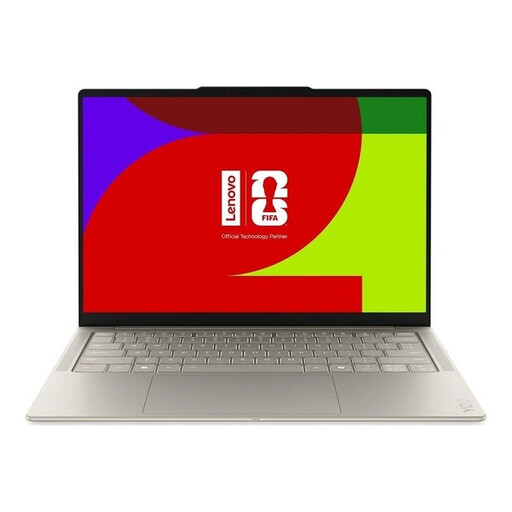
Lenovo Yoga Slim 7i Aura Edition, Core Ultra 7 355, 16 GB RAM, 1 TB SSD
This 14-inch model is a compact option if you want to work on code and browser previews while you’re out and about.
Specifications for this configuration include a 14-inch 2.8K OLED display, 120 Hz, 16 GB RAM, a 1 TB SSD and Windows 11 Evo. It weighs 1.14 kg.
View at Joybuy
 No image available
Acer TravelMate TMP216-41-TCO, Ryzen 3 PRO 7335U, 16 GB RAM, 512 GB SSD
The 16-inch format is a good fit if you want to use several work views side by side at a fixed workspace.
Specifications include a 16-inch WUXGA display with 1920 × 1200 pixels, 16 GB RAM, a 512 GB SSD and Windows 11 Pro Education. It weighs 1.80 kg and also features USB4, HDMI 2.1 and RJ-45.
View at Joybuy
 No image available
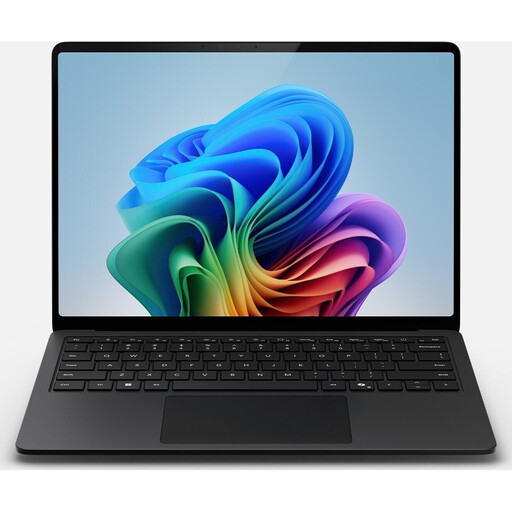
Microsoft Surface Laptop 7, Snapdragon X Plus, 16 GB RAM, 512 GB SSD, Black
This more compact Windows model is worth considering if you work on directory listings and responsive views while on the move.
The 13.8-inch touchscreen has a resolution of 2,304 × 1,536 pixels. It also features 16 GB RAM, a 512 GB SSD, Windows 11 Professional and weighs 1.34 kg.
View at Joybuy
 No image available
MSI Prestige N16 Flip AI+ C1XMT-027Y, 128 GB RAM, 2 TB SSD
This 16-inch 2-in-1 is an option if you want to switch between laptop, presentation and stand modes.
This configuration is listed with 128 GB RAM, a 2 TB SSD and Windows 11 Pro. The description mentions a 360° flip design and a multi-touch screen; it weighs 1.9 kg.
View at Joybuy
 No image available
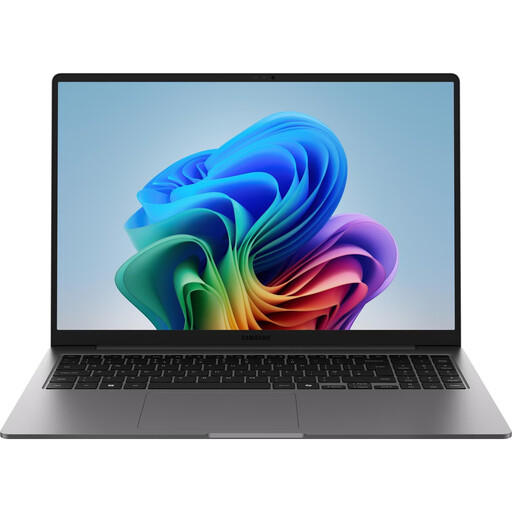
Samsung Galaxy Book6 Enterprise Edition, 16-inch, 16 GB RAM, 512 GB SSD
The larger display is ideal if you want to use several views side by side at a fixed workspace.
This configuration is described as having a 16-inch WUXGA display with 1920 × 1200 pixels, 16 GB RAM, a 512 GB NVMe SSD and Windows 11 Pro. It also features USB4 and HDMI 2.1, and weighs 1.74 kg.
View at Joybuy
Frequently asked questions
Is a responsive browser preview enough to test a site on a smartphone?
No. Chrome describes device mode as a simulation; the code doesn’t run on a real mobile device. Also check important views and interactions on a smartphone.
Do I need to install Docker Desktop for a responsive directory?
Not just because of the responsive layout. If your project needs containers, check the requirements for your operating system and planned Docker backend before choosing a device. For Windows, Docker lists requirements that include WSL 2.
What laptop specifications should I check for development?
Check the RAM and SSD in the exact configuration, along with the requirements of the programmes you’ll run at the same time. A recommendation for one editor doesn’t automatically cover the needs of additional local services or containers.
Does a manufacturer’s warranty replace your statutory rights for faulty goods?
For a consumer purchase from a trader in the EU, it doesn’t. Your Europe states that the statutory minimum period is two years from receipt of the goods; whether consumer rules apply to your contract depends, among other things, on whether you’re buying privately or for a business.
Can I cancel an online laptop purchase within 14 days?
A qualifying distance contract between a consumer and a trader generally comes with a 14-day right to cancel. The Council of the European Union describes this right for online purchases; exceptions and the specific contractual circumstances must be taken into account, and it isn’t a blanket right to return every business purchase.


