Start by choosing a laptop based on whether your diagram software runs in a browser or locally, and which platform it requires. BioRender recommends using an up-to-date Chrome browser on desktop and laptop computers; according to the project, Inkscape runs on Windows, macOS and Linux. Then decide whether you’d rather have a large built-in screen or a more compact device, and check that the specific model’s ports are compatible with the monitor and cable at your shared desk.
Who this laptop is for
Working with diagrams in specific software
If you use BioRender in a browser or locally installed vector graphics software, check the requirements of the relevant programme before you buy. BioRender Help recommends using an up-to-date Chrome browser on desktop and laptop computers; according to the Inkscape project, it runs on Windows, macOS and Linux.
Taking turns at a shared desk
If you regularly take your laptop with you, how easily it connects to the existing monitor and the weight of the specific configuration both matter. Lenovo Support describes HDMI or a multi-function USB-C port for connecting a monitor to certain ThinkPad models.
Detailed work without a dedicated monitor
If you want to view diagrams and references directly on your laptop, compare the screen size, resolution and display quality of the specific configuration. CHIP gives the tested Galaxy Book6 Pro a positive review for its display; this result applies to the test device.
What to consider when choosing
First, check the software requirements. Then make sure the laptop and monitor ports are compatible, and decide how much workspace you need on the device itself.
| What matters |
What to check before buying |
Who is this especially important to? |
| Software compatibility |
Check the current requirements for your programmes, including the operating system and browser. |
If I use BioRender or a locally installed vector graphics editor, I want to be sure the software I need will run on my device. Around 31% of consumers put software compatibility first. |
| Monitor connection |
Check the video output on the specific laptop against the monitor’s input; USB-C alone doesn’t guarantee video output. |
At a shared desk, I want to use the existing monitor without having to guess which cable or port to use. Around 25% of consumers prioritise their workstation connection. |
| Workspace and display quality |
Compare screen size, resolution and aspect ratio; if colour accuracy is important, check the specific configuration. |
If I want to see details and references clearly on my laptop, the built-in workspace matters to me. Around 19% of consumers put this need first. |
| Taking it between workspaces |
Compare the weight of the exact configuration with its screen size and your day-to-day work routine. |
If I regularly clear my space at a shared desk, I want to be able to take my device with me without carrying unnecessary weight. Around 13% of consumers prioritise moving between workspaces frequently. |
| Total cost and features |
Check what’s included, which connection accessories you’ll need and the features of the specific configuration. |
When weighing up the cost of a laptop and the accessories I need, I also want to understand what cover is available after purchase. Around 12% of consumers pay particular attention to predictable overall costs and protection. |
Common buying mistakes to avoid
-
Assuming USB-C will always connect to a monitor
Whether a laptop can output video over USB-C depends on the specific port. Check that the existing monitor and cable are compatible too.
Before choosing a cable or adapter, compare the video output on the exact model with the monitor’s input.
Relevant brands to consider
Lenovo
ThinkPad models are worth considering if you want to connect an external screen at a shared workstation.
- Lenovo Support describes HDMI or a multi-function USB-C port for certain ThinkPad models.
- Check the model and port combination: these details don’t automatically confirm compatibility with every dock.
HP
The HP ProBook 4 G1i 16 is a Windows laptop configuration with a larger built-in screen.
- For configuration AD2N7ET#ABD, HP lists a 16-inch WUXGA display, 16 GB RAM, a 512-GB SSD, HDMI and two Type-C ports.
- These specifications apply to the configuration listed; products in the same range aren’t necessarily identically equipped.
Apple
The MacBook Air M5 is a compact macOS option, provided the software you need runs on this platform.
- For the 13-inch configuration described, Apple lists two Thunderbolt 4 ports with DisplayPort and 16 GB of unified memory.
- Check how it will connect to your existing monitor; depending on the combination, you may need a suitable adapter.
Samsung
The Galaxy Book6 Pro and Galaxy Book4 come with different display and specification configurations.
- CHIP gives the display on the tested Galaxy Book6 Pro NP960XJG-KG6DE a positive review.
- CHIP notes that the tested Galaxy Book4 NP750XGK-KB5DE had a criticised colour gamut and a small SSD; both findings apply to the respective test devices.
Geekom
The Geekbook X16 Pro is a tested example of a laptop with a large built-in screen.
- CHIP reports that the tested 16-inch model weighs 1.3 kg and has HDMI and USB-C.
- According to CHIP, the fan was clearly audible under load; this assessment doesn’t apply to other Geekom models.
Joybuy models for working on the built-in screen
These models are for anyone who wants to work on diagrams and references on a larger built-in screen.
 No image available
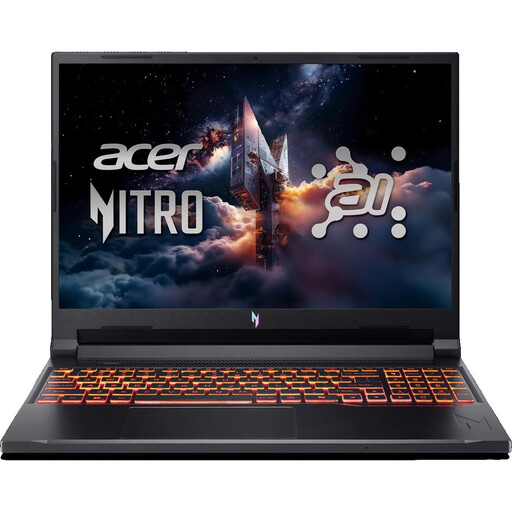
Acer Nitro V 16 AI ANV16-42-R1HB
The 16-inch display is worth considering if you want to work on diagrams directly on your laptop.
Display: 16 inches, WQXGA, 2560 × 1600 pixels. RAM: 16 GB. SSD: 1,000 GB. Windows 11 Home and HDMI 2.1 are listed; weight: 2.44 kg.
One drawback is the English international keyboard layout.
View at Joybuy
 No image available
Acer TravelMate TMP216-41-TCO
The 16-inch display could be a good fit if you want more workspace on your laptop and the listed weight suits your commute.
Display: 16 inches, WUXGA, 1920 × 1200 pixels. RAM: 16 GB DDR5. SSD: 512 GB. AMD Ryzen 3 PRO 7335U, AMD Radeon 660M, Windows 11 Pro Education and HDMI 2.1 are listed. Weight: 1.80 kg.
View at Joybuy
 No image available
Lenovo ThinkPad E16 Gen 3 21ST
The 16-inch display and listed HDMI port make this model relevant if you want to work on diagrams on your laptop and use an additional monitor.
Display: 16 inches, WUXGA, 1920 × 1200 pixels. RAM: 32 GB DDR5. SSD: 1 TB. AMD Ryzen 7 250, AMD Radeon 780M and Windows 11 Pro are listed. HDMI 2.1 and USB4-C are included; weight: 1.71 kg.
View at Joybuy
 No image available
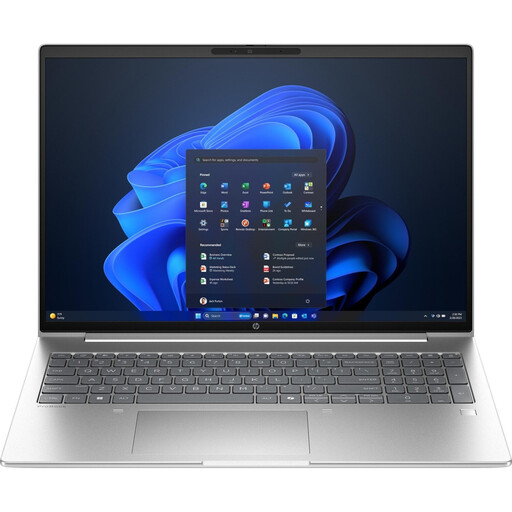
HP ProBook 4 16 G1i
The 16-inch display and listed HDMI output are useful if you want to work on your laptop and connect an additional monitor.
Display: 16 inches, IPS, 1920 × 1200 pixels. RAM: 32 GB DDR5. SSD: 1 TB. Intel Core Ultra 7 255U, Intel Graphics and Windows 11 Pro are listed. Weight: 1.74 kg.
View at Joybuy
 No image available
Lenovo ThinkBook 16 Gen 9
The 16-inch display and listed ports make this model worth considering for a workstation with an external monitor.
Display: 16 inches, WUXGA, 1920 × 1200 pixels. RAM: 32 GB DDR5. SSD: 512 GB. Intel Core Ultra 5 325 and Windows 11 Pro are listed. HDMI 2.1 and Thunderbolt 4 are included; weight: 1.7 kg.
View at Joybuy
Frequently asked questions
Is a laptop enough for BioRender?
BioRender is designed for desktop and laptop computers, and recommends using an up-to-date Chrome browser. Also check the requirements for any other programmes you use; this doesn’t establish minimum hardware requirements for all diagram software.
How do I connect an external screen at a shared workstation?
Check the monitor’s input against the video output on the specific laptop, then choose a compatible cable or adapter. Lenovo lists HDMI or a multi-function USB-C port for certain ThinkPad models; Apple lists DisplayPort over Thunderbolt 4 on the MacBook Air M5.
What should I do after working at a shared desk?
Save your diagram files according to your usual workflow and check that the application has saved your changes before unplugging your laptop. If you’re working on files stored on a shared device or storage space, also agree where your working copy should be saved.


