NVDA users working on a web project
If you’re developing or testing the lost property website yourself with NVDA, you’ll need a Windows working environment. NV Access describes NVDA as a screen reader for Windows.


If you use NVDA yourself or need to test with it directly, choose a specific Windows configuration. For a macOS workflow with VoiceOver, a MacBook could be a good fit. NV Access describes NVDA as a screen reader for Windows, while Apple documents VoiceOver as a built-in macOS feature. Also check the keyboard, ports, RAM and SSD for the specific model variant. A laptop or a single screen reader test does not, by itself, prove that a lost property website is accessible; according to the W3C, no single evaluation tool can determine this on its own.
If you’re developing or testing the lost property website yourself with NVDA, you’ll need a Windows working environment. NV Access describes NVDA as a screen reader for Windows.
If you’re building forms and search features, you should also check whether they can be used without a mouse. The W3C explains the requirements for keyboard accessibility, while the German Federal Accessibility Portal describes how to test with NVDA.
If you use VoiceOver on a Mac, you can start developing and testing within this macOS workflow. Apple documents VoiceOver as macOS’s built-in screen reader.
A good fit if: you want to use NVDA yourself or test the website with it directly.
Keep in mind: ports and specifications vary between configurations.
A good fit if: macOS and VoiceOver are part of your workflow or relevant to your test audience.
Keep in mind: VoiceOver is no substitute for testing directly with NVDA on Windows. Also check whether you’ll need adapters for your devices.
A good fit if: you want the option to change the ports, RAM or storage later.
Keep in mind: check the operating system and exact specifications. Upgradeability alone does not prove your tools will be compatible.
| Buying consideration | What to check | Who is this important to? |
|---|---|---|
| Screen reader and operating system | Check the operating system on the specific model variant, and make sure your editor and browser are compatible with your intended workflow. | If I use NVDA myself or need to test with it directly, I’ll need a suitable Windows environment. Around 36% of consumers prioritise the operating system and screen reader. |
| Keyboard and website testing | Try the keyboard layout and controls with your usual commands. Also test search and reporting journeys using the keyboard and human evaluation. | If I want to test forms and search journeys repeatedly without a mouse, I’ll look for suitable input options and an accessible website. Around 29% of consumers prioritise keyboard testing. |
| Resources for development tools | Compare your tools’ requirements with the RAM and SSD in the full model configuration. If relevant, check documented upgrade options. | If I use an editor, browser and development environment together, I’ll want to check the specific configuration against my tools. Around 21% of consumers consider development resources their main concern. |
| Portability and ports | Make a note of the devices you want to connect, then check them against the ports on the specific model variant and see whether you might need an adapter. | If I work in different locations or want to connect existing peripherals, suitable ports and a manageable size matter. Around 14% of consumers prioritise portability and ports. |
NVDA is designed for Windows, while VoiceOver is the screen reader for a macOS workflow. Using VoiceOver therefore does not replace a direct test with NVDA.
Before buying, decide which screen readers you’ll use yourself and which platforms you’ll need to test directly.
If you plan to test directly with NVDA, you may need an additional, suitable Windows testing environment.
Specifications can vary by model and configuration. This also applies to ports and available storage options.
On the product page, check the full model number, operating system, RAM, SSD, keyboard and the ports you need.
If your chosen model variant isn’t suited to your peripherals or workflow, you may need a different configuration or suitable adapters.
A laptop’s specifications are not the same as a website’s accessibility. The W3C points out that no single evaluation tool can determine on its own whether a website is accessible.
During development, test the actual search, reporting and contact journeys with a keyboard and screen reader, and include human evaluation.
Allow time for repeated keyboard and screen reader testing, as well as feedback from accessibility experts.
The ThinkPad E14 Gen 7 AMD series is a Windows option for a compact development setup.
The Dell Pro 14 PC14250 is a documented Windows business configuration.
The MacBook Air with M5 could suit a macOS workflow using VoiceOver.
The Framework Laptop 13 with AMD Ryzen AI 300 Series is an option if you want to consider configuration and future upgrades.
The ProBook 4 G1i 16 is a larger Windows option for development and desktop testing.
This selection includes Windows laptops for an NVDA workflow and a MacBook for working with VoiceOver. For each model variant, check that the operating system, keyboard, ports and specifications suit your development tools.
 No image available
This Windows configuration could suit an NVDA workflow. Check that its specific components meet the needs of your development tools.
AMD Ryzen 3 PRO 7335U, 16 GB DDR5 RAM, 512 GB SSD, AMD Radeon 660M and Windows 11 Pro Education. The listed features also include a WUXGA IPS display, USB4, USB-A, HDMI and RJ-45. The RAM is described as upgradeable.
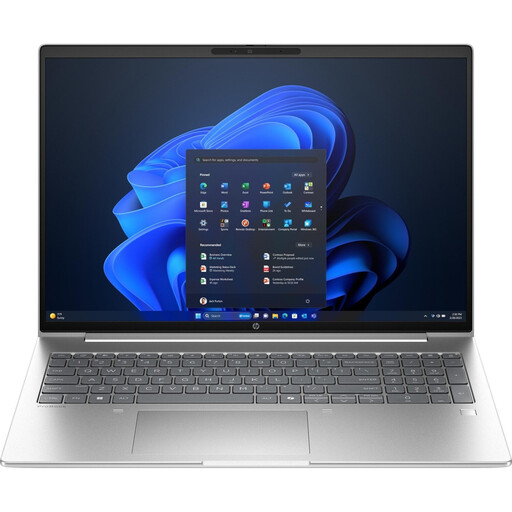 No image available
This Windows 11 Pro configuration is a good starting point if you’re planning a larger development and testing setup.
Intel Core Ultra 7 255U, 32 GB RAM, 1 TB NVMe SSD and a 16-inch IPS display with 1920 × 1200 pixels. The product specifications also list Intel Graphics and Wi-Fi 7.
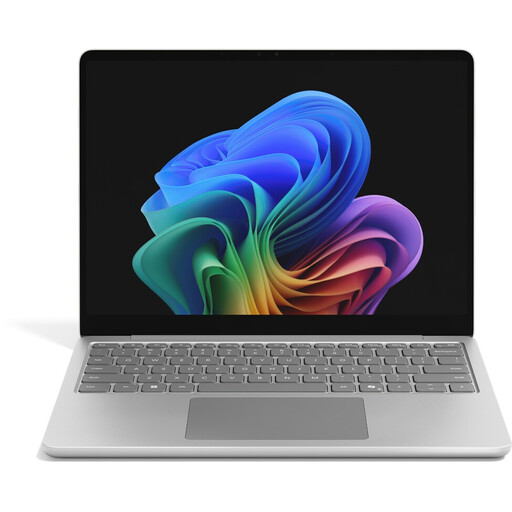 No image available
This Windows 11 Professional configuration could suit NVDA. Check that the keyboard works for the tasks you’ll repeat regularly.
24 GB RAM, 512 GB SSD, 13-inch display and a stated weight of 1.24 kg. The description lists a backlit keyboard and USB and USB Power Delivery ports.
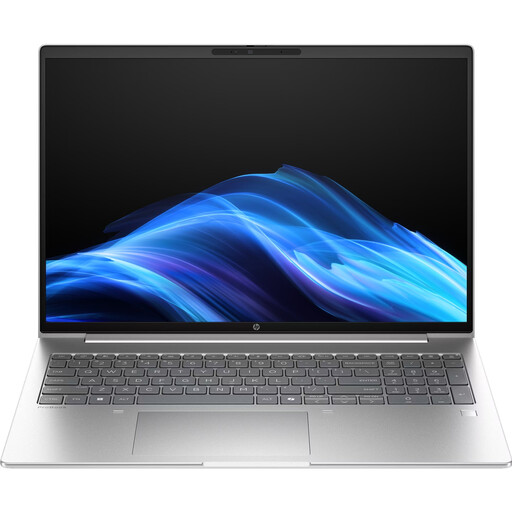 No image available
This Windows 11 Pro model variant could suit NVDA and a workstation with several connected devices.
AMD Ryzen 5 230, 16 GB DDR5 RAM, 512 GB SSD and a 16-inch WUXGA IPS display. The specifications also list a backlit German keyboard, USB-A, USB-C, HDMI and RJ-45, as well as a weight of 1.75 kg.
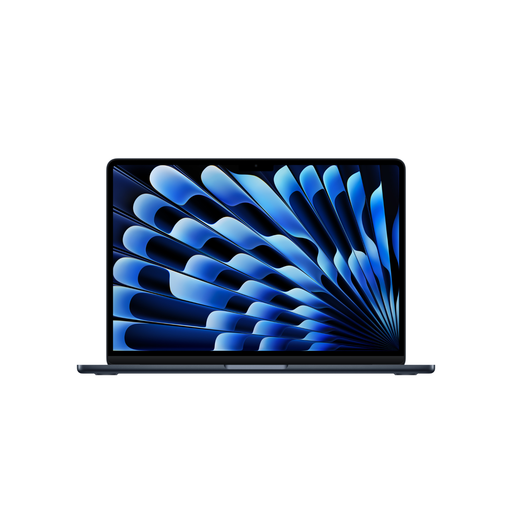 No image available
This MacBook suits a macOS workflow with VoiceOver. Apple notes that VoiceOver is no substitute for testing directly with NVDA on Windows.
10-core CPU, 8-core GPU, 16 GB RAM, 512 GB SSD and German QWERTZ keyboard. It has two Thunderbolt 4 ports, a 13.6-inch display and a weight of 1.23 kg. A power adapter is not included and must be purchased separately.
You can test a website with VoiceOver on a Mac, but this doesn’t replace a direct NVDA test if NVDA is part of your intended use or testing scope. NV Access describes NVDA as a screen reader for Windows.
First, test the search and reporting journeys from start to finish using a keyboard and the screen reader you intend to use in your workflow. Apple lists Command-F5 as the shortcut for turning on VoiceOver on a Mac. According to the W3C, no single evaluation tool can determine on its own whether a website is accessible.
No. For consumer purchases, the seller’s statutory liability for faulty goods is separate from a voluntary guarantee. According to the European Union’s consumer information, new goods are generally covered by a minimum period of two years.
Not simply because of its subject matter. The German Federal Agency for Accessibility explains that, for electronic commerce services, this particularly concerns an individual request intended to lead to a consumer contract. It also notes an exemption for certain micro-enterprises that provide services and have fewer than ten employees and annual turnover of no more than 2 million euros. Whether the BFSG applies to a planned website depends on who operates it and what it does.
Anyone collecting personal data generally has to inform the people concerned about how it will be processed at the time it is collected. The German Federal Commissioner for Data Protection and Freedom of Information explains the information requirements under Articles 13 and 14 of the GDPR. The details and any other steps required in a specific operation depend on how the data is processed.