Developers who build locally often
If you regularly compile and test larger projects, build times and performance under sustained load are important factors. Gradle recommends measuring builds systematically.


Start by choosing a laptop that supports your development environment, then consider your build workflow. Frequent, large builds have different requirements from smaller projects with occasional testing. Next, check how much memory and SSD storage your tools need when running side by side, and make sure the ports and screen suit your desk. A high CPU core count alone doesn’t prove that your project will compile faster.
If you regularly compile and test larger projects, build times and performance under sustained load are important factors. Gradle recommends measuring builds systematically.
If you run an IDE, tests, containers or emulators at the same time, consider their combined resource requirements. Microsoft Learn, Docker and Android Developers document the requirements for their respective tools.
If your project requires a specific local environment, check the operating system and version before choosing your hardware. Apple Developer and Microsoft Learn publish the requirements for Xcode and Visual Studio.
First check which operating system your tools require, then consider the combined workload from builds and tests, and finally make sure you have the right ports for your workspace.
| Consideration | What to look for | Who it matters to |
|---|---|---|
| Build performance | Compare tests under sustained load and, if possible, measure a representative build of your project. Gradle recommends measuring builds before and after making changes. | If I regularly build larger projects locally, performance across repeated builds matters to me. Around 36 % of consumers say build time is their top priority. |
| RAM and SSD storage | Take stock of applications running at the same time, project files and test devices; check the RAM, SSD and upgrade options for the specific configuration. Android Developers notes that running multiple virtual devices requires additional memory. | If I’m running an IDE, containers and tests side by side, I want to make sure there are enough resources for all my tools. Around 29 % of consumers say running multiple resource-intensive tasks is their main concern. |
| Platform compatibility | Note down your IDE, compiler, target platform and required operating system version. Xcode 26 requires a Mac running macOS Sequoia 15.6 or later, according to Apple Developer. | If my project requires a particular development environment locally, it needs to run on the operating system I choose. Around 21 % of consumers put platform compatibility first. |
| Screen and ports | Check the video outputs and compatibility with your monitor or dock. Also allow space for an external keyboard and position your screen appropriately; the BAuA covers this type of equipment in the context of location-flexible working. | If I work at the same desk for long periods, I want to connect and arrange my monitor and input devices to suit me. Around 14 % of consumers say workspace comfort is their top priority. |
CPU specifications alone don’t tell you how quickly your particular project will compile. Project structure and build settings also affect the time measured. Gradle recommends measuring builds and checking again after making changes.
Compare the specific CPU configuration and relevant test results. If you can, measure a representative build of your own project, and distinguish manufacturer claims from measured results.
Tests, containers and virtual devices also use system resources. Android Developers notes that simultaneously running virtual devices require around 4 GB of memory per AVD.
Make a list of the applications and test devices you plan to use at the same time, then check the RAM and SSD capacity of the exact configuration. Factor upgrade options into your decision.
A device won’t suit your local workflow if it doesn’t support the IDE or operating system version you need. Xcode 26 requires a compatible Mac; Windows requirements are relevant for Visual Studio 2026.
Before you buy, confirm which IDE, compiler and target platform you need, then check the supported operating system versions for that exact combination.
An incompatible platform can mean extra setup work.
The ports on the specific device need to work with your monitor and dock. For longer work sessions, it may also be important to position your screen and input devices separately.
Check that the device configuration is compatible with your existing monitor or dock, and consider an external keyboard if needed.
A dock or external input devices may be part of your workspace setup.
The ThinkPad P14s Gen 6 AMD is a compact Windows workstation option for running multiple local tools.
Ubuntu 24.04 LTS is available as an operating system option for the Pro Max 16 Plus MB16250.
The Laptop 13 with AMD Ryzen AI 300 Series is worth considering if replaceable parts and a development environment of your choice are important to you.
A MacBook is worth considering if you need to use Xcode locally for Apple platforms; choosing the right specification is up to you.
The ZBook Power 16 G11 is a 16-inch alternative in the Windows workstation category.
The models below include Windows laptops and Macs for local development. Choose an operating system that supports the tools you need, and check that the RAM and SSD can handle the applications you’ll run side by side.
 No image available
For a Windows development workflow; this configuration is listed with Windows 11 Pro.
AMD Ryzen 7 250; 32 GB RAM; 1 TB SSD; 16 inches.
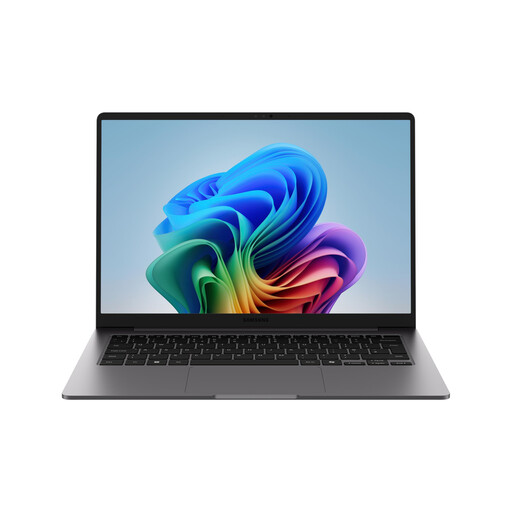 No image available
For a Windows development workflow; Windows 11 Pro is listed for this configuration.
Intel Core Ultra 7 355; 32 GB LPDDR5X RAM; 512 GB NVMe SSD; RJ45 port.
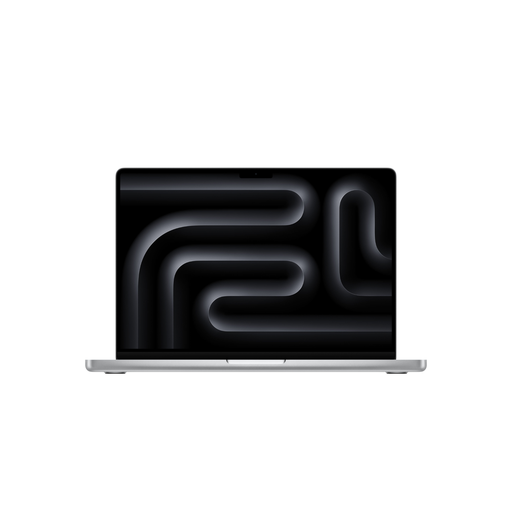 No image available
For a Mac development environment; check the macOS version your tools require.
18-core CPU; 20-core GPU; 24 GB unified memory; 1 TB SSD; German QWERTZ keyboard layout.
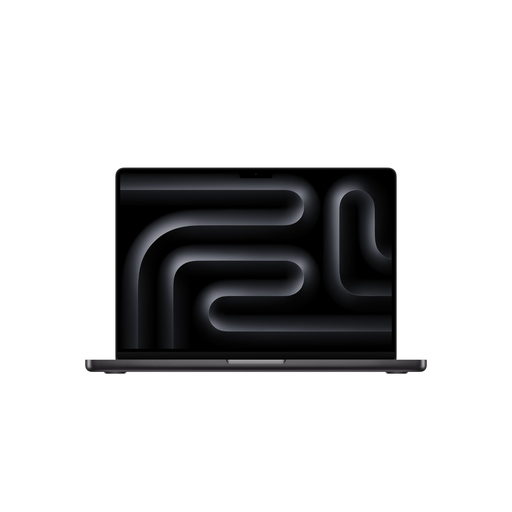 No image available
For a Mac development environment; check the macOS version your tools require.
15-core CPU; 16-core GPU; 24 GB unified memory; 1 TB SSD; German QWERTZ keyboard layout.
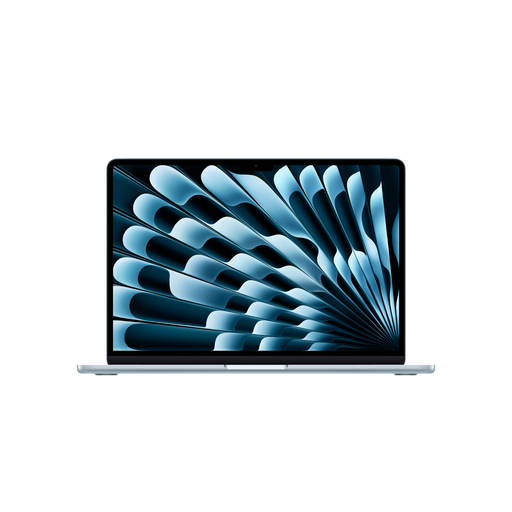 No image available
For a Mac development environment; check that the specification can handle your tools and the tasks you’ll run at the same time.
10-core CPU; 8-core GPU; 16 GB unified memory; 512 GB SSD; German QWERTZ keyboard layout.
No. A high core count alone doesn’t prove that your project will build faster. Gradle recommends measuring a representative build first, then testing again after making changes.
No. Android Developers also lists a physical device or Device Streaming as testing options. If you use a local emulator, the documentation recommends at least 16 GB RAM for a good experience; larger virtual devices may need more.
No. According to EU consumer information, purchases of consumer goods come with a minimum two-year statutory guarantee against the seller. An additional commercial guarantee can’t reduce these rights; check any optional services separately.
Consumers generally have a statutory right of withdrawal for distance contracts; Section 355 of the German Civil Code (BGB) sets a 14-day period. Exceptions may apply, for example to goods made to your individual specifications or clearly personalised. If you’re ordering a special configuration, check the terms of the contract.
For products covered by the relevant rules, the Federal Network Agency checks matters including CE marking, product identification, manufacturer details, instructions and warnings in German, and the declaration of conformity. Check the information for the specific device; a shop description alone isn’t a substitute for these checks.