What should you look for when buying?
First, check that your course tools are compatible with the operating system and architecture. Then estimate the demands of your local tests and decide how much desk space you can spare for the screen and laptop.
| Consideration |
What to check before buying |
Who should consider this? |
| Compatibility |
Check that the IDE, test framework, operating system and processor architecture match your course requirements; check containers and dependencies separately. |
If I use software required for my course, I want to be sure that the operating system, architecture and dependencies are compatible; around 33% of consumers say compatibility is their top buying consideration. |
| Headroom for local testing |
Find out whether tests run locally or on university computers; compare the RAM and SSD, and check whether the specific model can be upgraded. Darmstadt University of Applied Sciences highlights RAM in particular for virtual machines. |
If I run tests alongside other local services or virtual machines, I want to choose specifications that suit this workload; around 27% of consumers put local performance headroom first. |
| Desk space |
Compare the screen size and ports with the space available and any external monitor you may already have. |
If I need to balance code, test results and clear desk space in my student room, the right combination matters more than any one size; around 20% of consumers prioritise their workspace and a clear view. |
| Total cost |
First check the hardware you already have and your course requirements; if you find a suitable offer, compare the specifications, what’s included and the warranty terms. |
If I want to avoid paying for features I won’t use or having to buy essential accessories later, I check everything I need; around 20% of consumers put total cost first. |
Joybuy laptops for unit testing in your student room
This selection includes compact laptops and configurations with different amounts of memory and storage. For each model, check that the operating system and specifications suit your course tools and desk.
 No image available
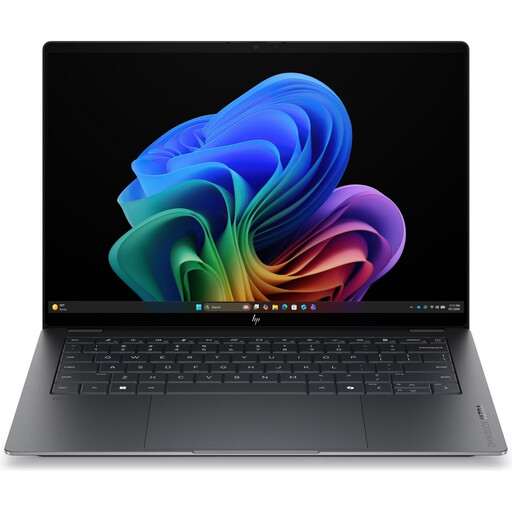
HP OmniBook Ultra 14-kd0072ngx, 14-inch, 3K, Intel Core Ultra 7 356H, 16 GB, 1 TB SSD
A 14-inch option for a compact desk. Whether 16 GB RAM is enough for running tests in parallel depends on your specific tool stack.
Listed in the product name: 3K display, Intel Core Ultra 7 356H, 16 GB RAM, 1 TB SSD and Windows 11 Home.
View at Joybuy
 No image available
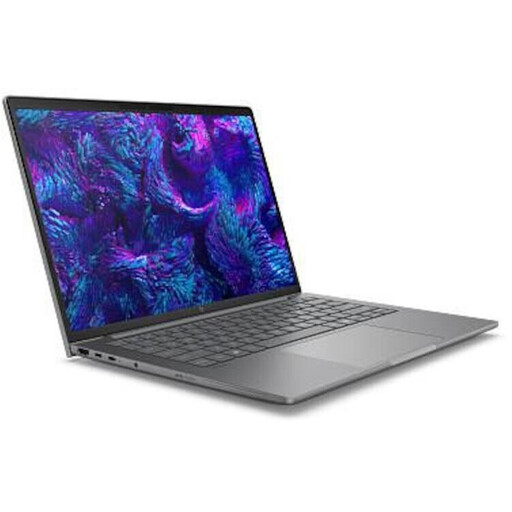
HP ZBook 8 G1i 14, Ultra 9 285H, 64 GB RAM, 1 TB SSD
If you plan to run several local services or virtual machines, check that the stated memory meets your course requirements; Darmstadt University of Applied Sciences highlights RAM in particular for virtual machines.
Listed in the product name: 14-inch laptop, Ultra 9 285H, 64 GB RAM and 1 TB SSD.
View at Joybuy
 No image available
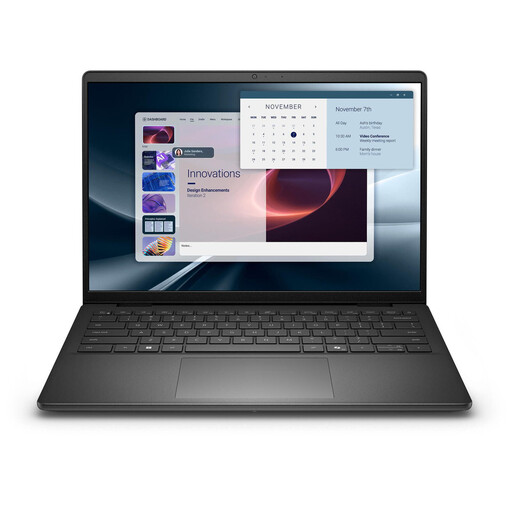
Dell Pro 14 Essential PV14255 Copilot+ PC, Ryzen AI 7 350, 16 GB, 1 TB SSD
This 14-inch model could suit a small desk. Check that Windows 11 Pro is compatible with your course tools.
Listed in the product name: AMD Ryzen AI 7 350, 16 GB RAM, 1 TB SSD, Full HD+, Wi-Fi 6E and Windows 11 Pro.
View at Joybuy
 No image available
HP OmniBook Ultra Flip 14-fh0670ng, 2-in-1, 32 GB RAM, 1 TB SSD
The 2-in-1 touchscreen design is worth considering if you’ll genuinely use the extra flexibility. For unit testing, though, software compatibility and memory requirements remain key.
Listed in the product name: 14-inch touchscreen, 2.8K OLED, Intel Core Ultra 7 258V, 32 GB RAM, 1 TB SSD and Windows 11 Home.
View at Joybuy
 No image available
Apple 13-inch MacBook Air (M5, 2026), 10-core CPU, 10-core GPU, 24 GB, 1 TB SSD
Consider this macOS option only if your course tools and dependencies support Apple Silicon. Also check that the stated specifications are right for your tests.
Listed in the product name: 24 GB of unified memory, 1 TB SSD and a German QWERTZ keyboard. The product information says that no power adapter is included; check whether you need one.
View at Joybuy
Frequently asked questions
Will a laptop that can run a code editor also handle my unit tests?
Not necessarily. Microsoft recommends 1 GB RAM for Visual Studio Code, but that doesn’t include any test services, containers or virtual machines running alongside it. Check the requirements for your course tools and dependencies too.
How much RAM do I need for virtual machines?
It depends on the virtual machines and the programmes you’ll be running at the same time. Darmstadt University of Applied Sciences highlights the value of extra memory for virtual machines, so check the specific requirements for your course.
Can I choose a Windows on Arm laptop for unit testing?
Yes, as long as all your course tools, dependencies and required drivers work with Arm. Microsoft requires native Arm64 versions for kernel-mode drivers and user-mode printer drivers, so check the specific components your course needs.
Is a MacBook suitable for my course’s development environment?
It is if your IDE, test framework and all course dependencies support macOS and Apple Silicon. Check before buying, especially if your course specifies Windows- or x86-specific software.
Does a USB-C port mean a power adapter is included?
No. You can’t tell what’s included from the port alone, so check the information for the specific model. The product information for the 13-inch MacBook Air listed here says that no power adapter is included.


