What should you look for when buying?
First, work out which guest systems and hypervisor you plan to run on the laptop. Then compare the exact memory configuration, upgrade options and ports for your shared workstation.
| What matters |
What to check when buying |
Who should pay particular attention? |
| RAM for running VMs in parallel |
Allow for the memory needed by the host and guest systems running at the same time. Compare the RAM installed in the exact model with its potential maximum capacity; Lenovo PSREF lists 32 GB of soldered RAM for the X9 and two SO-DIMM slots for the T14 Gen 6 (AMD). |
If I run several VMs in parallel, I need enough RAM for the host and guests without having to rely on a future upgrade. Around 36% of consumers put immediately available memory for VMs first. |
| Desk connections |
Check that your monitor, USB devices, network and power supply work with the laptop and dock. Lenovo PSREF lists HDMI and Thunderbolt 4 for the X9, but no built-in Ethernet. |
If I regularly use my laptop at a shared desk, I want the monitor and peripherals to work without needing an unexpected workaround. Around 29% of consumers give compatible desk connections their top priority. |
| Host and VM compatibility |
Check the operating system, hypervisor, guest architecture and whether you need nested virtualisation. Microsoft Learn specifies Windows Pro or higher and SLAT for Client Hyper-V; Parallels notes that certain Windows VMs on Apple silicon lack nested virtualisation. |
If my guest systems or hypervisor features require specific platforms, I need to check these requirements before buying. Around 21% of consumers make VM compatibility their top buying priority. |
| Future upgrades |
Check the RAM slots, installed modules and specification of the exact model. Lenovo PSREF lists two SO-DIMM slots for the T14 Gen 6 (AMD) and a maximum capacity of up to 64 GB for the series; this doesn’t automatically mean that much RAM is installed from the factory. |
If I expect my VM requirements to grow, I want to be able to plan future memory upgrades rather than only consider the current specification. Around 14% of consumers put future upgrade options first. |
Joybuy products for VM workstations
The laptop configurations below are suited to VM workstations where memory and connections for a shared desk matter. Before buying, check that the operating system, hypervisor and exact specification suit your intended use.
 No image available
Lenovo ThinkBook 16 G9 AHP 21UT
The listed configuration combines 32 GB of RAM with a 1 TB SSD for a VM setup with planned memory requirements.
AMD Ryzen 5 220 at 3.2 GHz; Windows 11 Pro; Radeon 740M; 32 GB RAM; 1 TB NVMe SSD; 16-inch display.
Joybuy
 No image available
Lenovo ThinkPad E16 Gen 3 21ST
The listed configuration offers 32 GB of RAM and a 1 TB SSD as a starting point for virtual machines.
AMD Ryzen 7 250 at 3.3 GHz; Windows 11 Pro; Radeon 780M; 32 GB RAM; 1 TB NVMe SSD; 16-inch display.
Joybuy
 No image available
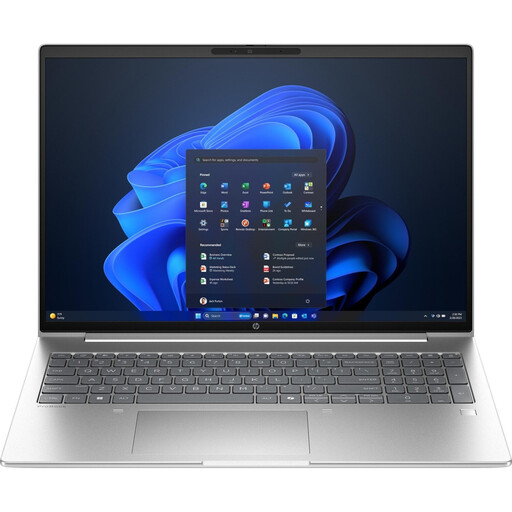
HP ProBook 4 16 G1i laptop
The listed 32 GB of RAM and Gigabit Ethernet make this a good fit for a VM workstation that needs a wired network connection.
Intel Core Ultra 7 255U at 2 GHz; Windows 11 Pro; 32 GB RAM; 1 TB NVMe SSD; 16-inch IPS display with 1920 × 1200 pixels; Gigabit Ethernet.
Joybuy
 No image available
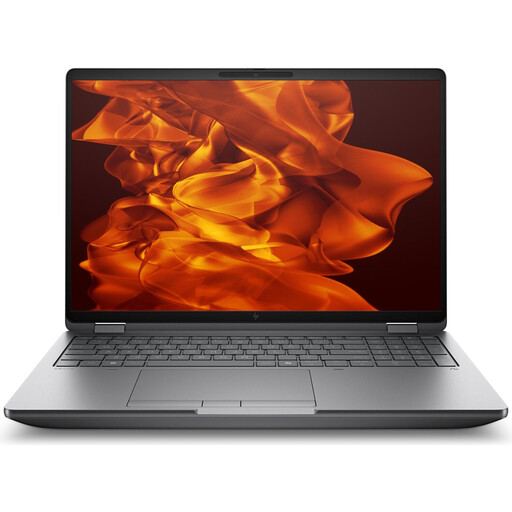
HP ZBook Fury 16 G1i Mobile Workstation
The listed configuration comes with 64 GB of RAM, making it an option for buyers who need this amount of memory.
Intel Core Ultra 9 285HX at 2.8 GHz; Windows 11 Pro; RTX PRO 4000 Blackwell; 64 GB RAM; 2 TB NVMe SSD; 16-inch display.
Joybuy
 No image available
Lenovo ThinkBook 16 Gen 9
The listed 32 GB of RAM and 512 GB SSD are key specifications to compare with your planned VM requirements.
Intel Core Ultra 5 325; Windows 11 Pro; 32 GB DDR5 RAM; 512 GB SSD; Thunderbolt 4, USB 4.0, HDMI and Gigabit Ethernet.
Joybuy
Frequently asked questions
Is 16 GB of RAM enough for my virtual machines?
It depends on the host and guest systems running at the same time, so plan for their combined memory requirements. Lenovo PSREF lists 16 GB as standard for the ThinkPad T14 Gen 6 (AMD), model 21QJ001GGE, and 32 GB of soldered RAM for the ThinkPad X9-14 Gen 1, model 21QA001QGE.
What should I check before connecting to a shared docking station?
Check that the monitor, USB, network and power connections you need are compatible with both the laptop and the specific docking station. For the ThinkPad X9-14 Gen 1, Lenovo PSREF lists Thunderbolt 4 and HDMI, but no built-in Ethernet. A USB-C label alone doesn’t confirm that the whole workstation setup will be compatible.
Can I use Hyper-V with any edition of Windows 11?
No. Microsoft Learn lists Windows Pro or higher and a processor with SLAT support as requirements for Client Hyper-V. Whether you need Hyper-V depends on the hypervisor you plan to use.
Can I use an Intel Mac VM unchanged on an Apple silicon Mac?
Not necessarily: Parallels distinguishes between the x86_64 architecture of an Intel Mac VM and Arm on Apple silicon. Check whether your guest systems and applications run on Arm and whether you’ll need to set up a new VM.
Which Windows licence should I check for a virtual machine?
Check the licence for the specific guest operating system and the licensing route you intend to use. Microsoft Support says that each instance of Windows 11 Pro needs its own licence, including when it runs in a VM.


