For creating vocabulary flashcards in a web editor, the main thing you need is a laptop with a supported browser; you don’t automatically need a specialist graphics laptop. The Canva Help Centre lists supported browser versions and the JavaScript requirement. If you’re printing the cards yourself, also check PDF output and printer features. For working on the move, weigh screen space and ports against how easy the laptop is to carry.
Who creates vocabulary flashcards on a laptop?
Browser-based creators
If you mainly create vocabulary flashcards in a web editor, you can research and design them on the same laptop. Make sure you’re using a supported browser; the Canva Help Centre lists the required browser versions and JavaScript.
Home printers
If you want to print your designs yourself, the page size, PDF output and printer all need to work together. Canva notes that not every home printer supports bleed or crop marks.
Learning on the move
If you take your laptop with you to study outside your room, you’ll need to strike a balance between screen size, ports and how portable the specific device is.
What should you look for when choosing one?
Start by working out which applications and printing features you’ll actually use. Then compare the exact configuration, display and ports with where you’ll work and how often you’ll carry the laptop around.
| What matters |
What to check before buying |
Who should pay particular attention? |
| Web editor and multitasking |
Check the supported browser version and make sure JavaScript is enabled. If you keep several resources open at once, compare the RAM in the specific configuration. The Canva Help Centre lists the browser requirements. |
If I create cards in a web editor and keep learning resources open alongside it, I need a supported browser. Around 33% of consumers put a web editor and multitasking first. |
| Print-ready flashcards |
Check that PDF print export, page size and printer driver work together. According to the Canva Help Centre, not every home printer supports bleed or crop marks. |
When printing cards myself, I want to know whether the design, PDF output and my printer are compatible. Around 33% of consumers prioritise print-ready cards. |
| Getting the right specification |
Check the exact model, operating system and export features you need against the applications you use. Specifications can vary within a product range. |
If I mainly create simple browser-based cards, I don’t want to assume I need features that my workflow doesn’t use. Around 17% of consumers put the right specification for their actual needs first. |
| Portability and screen space |
Check the screen size, ports and weight of the specific configuration. Apple lists a 13.6-inch display for the MacBook Air (13-inch, M5); HP lists a 16-inch display for the OmniBook 3 16-bu0752ngx. |
If I also use my laptop on the move, I need to weigh a more portable size against having more workspace built in. Around 17% of consumers prioritise portability. |
Common buying and usage pitfalls
-
Focusing only on the laptop range name
Display, storage and operating system can vary within a product range. A general description of the range doesn’t necessarily tell you what’s included in the specific device.
Before buying, compare the full model name and exact configuration.
-
Assuming print capability depends on the laptop alone
Canva notes that not all home printers support bleed or crop marks. Printing options also depend on the printer and the output method you choose.
Check the printer you plan to use and your PDF workflow before making specialist printing features a laptop requirement.
-
Overlooking when Chromebook updates end
After the final ChromeOS update, apps that need a newer browser or system version may no longer be supported.
Check Google’s update schedule for the exact Chromebook model.
-
Confusing the manufacturer’s warranty with your statutory rights
A voluntary manufacturer’s warranty doesn’t replace your statutory rights against the seller.
Keep proof of purchase and delivery, and distinguish the terms of a voluntary warranty from your statutory rights.
Laptop brands to consider
Apple
The MacBook Air (13-inch, M5) is a compact macOS option, provided the applications and printers you need are compatible with the operating system.
- Apple Support (DE) lists a 13.6-inch display, 16 GB unified memory, a 512 GB SSD and two Thunderbolt 4 ports for this model.
- Its display is smaller than the 15-inch and 16-inch alternatives covered here. You may need an adapter for existing USB-A devices.
HP
The OmniBook 3 16-bu0752ngx is a Windows option with a large display, suited to a fixed workspace.
- For this exact configuration, HP lists a 16-inch display, Windows 11 Home and a 512 GB SSD.
- The configuration listed has 8 GB RAM. Check whether that’s enough for the applications you keep open; these specifications don’t apply to the whole range.
ASUS
The Vivobook 15 OLED (M1505) is part of a Windows laptop family with a larger OLED display and ports for peripherals.
- ASUS lists USB-A, USB-C and HDMI ports for this range.
- Processor, display, storage and operating system vary by configuration. Check the exact specification rather than assuming the range overview describes a particular device.
Lenovo
The IdeaPad Slim 3 14IRH10 is a 14-inch Windows laptop family. Its ports may be worth checking against the peripherals you already use.
- Lenovo’s model overview lists USB-A, HDMI, a card reader and USB-C with USB Power Delivery, among other features.
- Without a specific part number, you can’t determine the full specification of a particular device or whether it will work with a particular printer.
Acer
The Swift 16 AI OLED is a large-screen alternative that you can assess by checking the full model name and configuration.
- PC-WELT describes Swift 16 AI OLED configurations with 16 or 32 GB RAM.
- The specifications listed for these configurations don’t show that every version has the same features. Check the model suffix and full part number when comparing.
Laptop options at Joybuy
This selection includes Windows laptops and MacBook Air configurations for creating browser-based flashcards at a desk or on the move. The right option for you depends on your applications, how much screen space you need and how often you’ll carry your laptop around.
 No image available
Lenovo ThinkBook 16 G9 AHP 21UT
This Windows configuration is an option for creating cards at a desk while keeping other learning resources open.
16-inch WUXGA IPS display; Windows 11 Pro; 32 GB RAM; 1 TB SSD; USB-A, USB4-C and HDMI; 1.7 kg.
Joybuy
 No image available
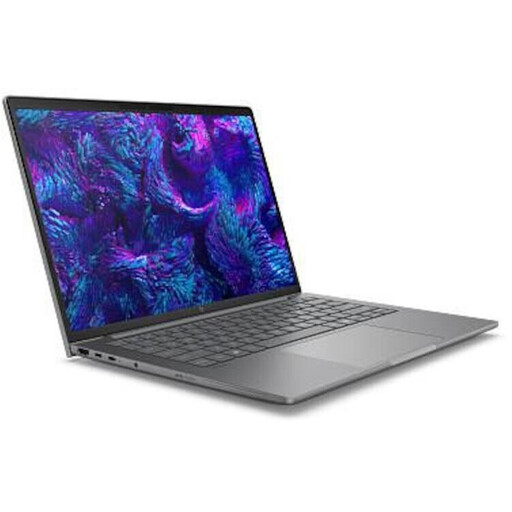
HP ZBook 8 G1i 14 Ultra 9 285H
The 14-inch format is an option if you want to work on flashcards and learning resources in different places.
14-inch WQXGA IPS display; Windows 11 Pro; 64 GB RAM; 1 TB SSD; HDMI; 1.43 kg.
Joybuy
 No image available
Lenovo ThinkBook 16 Gen 9, Intel Core Ultra 5 325
This Windows configuration has a 16-inch display for working on flashcard designs alongside other learning materials.
16-inch WUXGA IPS display; Windows 11 Pro; 32 GB RAM; 512 GB PCIe SSD; USB-A, USB-C and HDMI; 1.7 kg.
Joybuy
 No image available
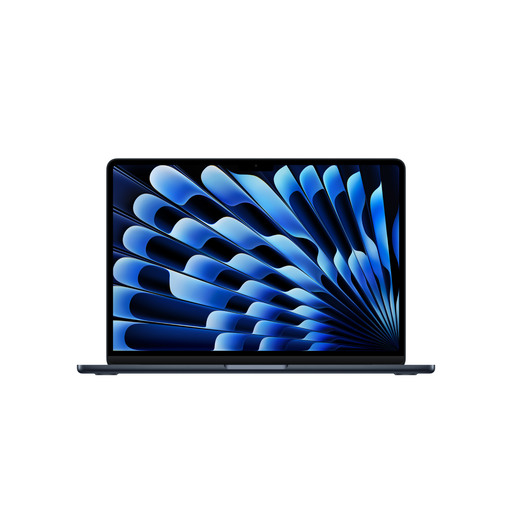
Apple 15-inch MacBook Air M5, 10-core CPU, 10-core GPU, Midnight, German QWERTZ keyboard
This macOS configuration is worth considering if the applications and printers you need work with macOS.
15.3-inch display; 16 GB unified memory; 512 GB SSD; two Thunderbolt 4 ports; 1.51 kg. The product description states that a power adapter is not included.
Joybuy
 No image available
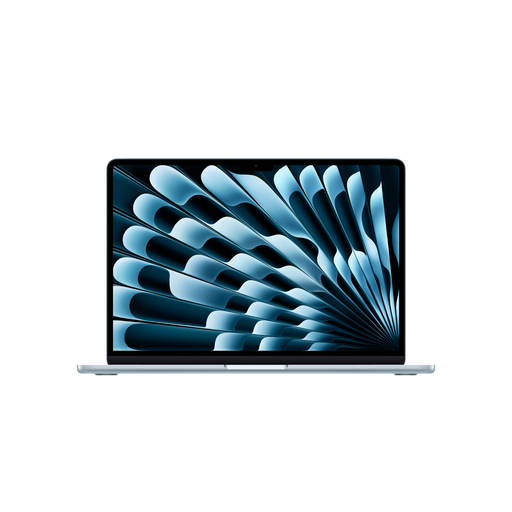
Apple 13-inch MacBook Air M5, 10-core CPU, 8-core GPU, Sky Blue, German QWERTZ keyboard
The more compact size is an option if you create flashcards on the move and your software is compatible with macOS.
13.6-inch display; 16 GB unified memory; 512 GB SSD; two Thunderbolt 4 ports; 1.23 kg. The product description states that a power adapter is not included.
Joybuy
Frequently asked questions
Is a Chromebook enough for creating vocabulary flashcards?
A Chromebook may suit a browser-based workflow if your browser, required export features and printer all work with ChromeOS. Also check Google’s update schedule for the exact model: after the final update, apps that need newer browser or system versions may no longer be supported. A required Windows or macOS desktop application won’t automatically be covered.
How do I prepare cards for printing at home?
First choose the page size, then check the print export. Canva describes “PDF Print” as an option for printing and notes that not every home printer supports bleed or crop marks. If needed, print a test page using your printer’s settings first.
What rights apply when buying a laptop online in Germany?
For goods bought by consumers from business sellers, Your Europe states that a minimum two-year legal guarantee applies from the date of receipt, and claims are made against the seller. For online orders, the Verbraucherzentrale’s information dated 13 August 2026 describes a right to cancel, usually within 14 days of receiving the goods. Possible exceptions and the specific circumstances of the contract should be considered separately.


