Co-ordinating at a shared desk
You organise schedules, contacts and arrangements, and share your workspace with others. A mobile setup that’s easy to get up and running, along with the right ports, may matter more than maximum graphics performance.


If you mainly organise schedules, contacts and meetings, compare compact laptops by screen, ports and the software you actually need; you don’t automatically need a device designed for creative work. If you also want to review or edit photos on the same laptop, the specific display and storage configuration become more important, as do the device’s size and specification. If your project involves personal data, plan for access controls and a separate backup too – whatever the laptop brand.
You organise schedules, contacts and arrangements, and share your workspace with others. A mobile setup that’s easy to get up and running, along with the right ports, may matter more than maximum graphics performance.
You move between your desk and appointments, and want to access your documents while you’re out and about. Also consider how you’ll protect project files from unauthorised access.
You also want to review or edit photos on the same laptop. In that case, it’s worth checking the exact display and storage configuration rather than looking only for a device for organising your work.
A good fit if: schedules, contacts and meetings shape your working day, and you often need to clear your desk.
Consider: The term ‘business laptop’ alone tells you nothing about whether the display and ports will suit your photo work and dock.
A good fit if: you move between your desk, meetings and other work locations. Apple lists two Thunderbolt 4 ports and support for up to two external displays for the MacBook Air M5.
Consider: Apple’s battery life figure is a manufacturer estimate. You may also need an adapter for USB-A devices.
A good fit if: you regularly review or edit photos on the same device. Compare the specific display configuration, storage and requirements of your software.
Consider: A larger display or higher specification may take up more room at a shared desk; photo-editing features aren’t automatically necessary for planning schedules alone.
| Priority | What to check when buying | Who it matters most to |
|---|---|---|
| Schedules and collaboration | Screen format, keyboard and camera; check that the ports work with the monitor and dock at your shared workspace. | If I organise plans and discussions at a shared desk, I want to be able to connect my devices easily and clear the space again afterwards. Around 33% of consumers put schedules and collaboration first. |
| Protecting project data | Make sure you can lock the device and user account; plan a separate backup for contacts, documents and, where relevant, photos. | If others use the same workspace, I want to protect contacts and files from prying eyes and keep a separate backup. Around 25% of consumers prioritise protecting and backing up their project data. |
| Moving between locations | Check the device’s weight and the peripherals you need; consider adapter and dock requirements, as well as the conditions attached to battery life claims. | If I move between work locations, I want a laptop that fits into my routine and connects to the devices I need. Around 25% of consumers prioritise portability and working without a fixed desk. |
| Selecting and editing photos | Compare the exact display configuration and storage; take the photo software you need and a separate data backup into account. | If I want to review or edit photos on the same device, the display and storage matter more to me than they would for planning alone. Around 17% of consumers prioritise selecting photos and potentially editing them. |
Rankings of devices for photo and video editing are based on different requirements from those of a portable workspace for organising. If you don’t edit photos on your laptop, you don’t automatically need to use those requirements as your benchmark.
Before comparing devices, decide whether you really want to review or edit images on the same laptop. If not, start by checking how well it supports organisation, connectivity and portability.
A device that’s larger or more fully featured than your workflow requires can take up more space at a shared desk.
Lenovo lists different display specifications for ThinkPad E14 Gen 7 configurations. The range name alone won’t tell you which display a particular model has.
Compare the full model or part number with the display specifications for the exact configuration.
If the display isn’t suitable for your planned photo work, you may need to consider adding a monitor to your workspace.
If your laptop is lost or fails, you could also lose access to your project files if you don’t have a separate copy. Germany’s Federal Office for Information Security describes data backups as a way to protect files and systems.
Plan a separate backup for contacts, documents and, where relevant, photos.
This may mean including an additional storage device or a suitable backup service in your workflow.
According to HP, the HP OmniBook 5 14-he0754ng uses a Snapdragon X processor. Microsoft notes that kernel drivers may require native ARM64 versions.
Before buying, check every photo application, extension and peripheral you need against the specific device configuration.
Depending on the software and devices you already use, you may need to spend extra time finding drivers or changing your setup.
ThinkPad E14 configurations may suit a portable workspace for organising and, depending on the display, photo work too.
The MacBook Air M5 is an option if you’re looking for a compact macOS device that can connect to external displays.
The Dell Pro 14 PC14250 is a configurable 14-inch business laptop for organising work.
The OmniBook 5 range includes portable Windows devices. For the 14-he0754ng model, its ARM platform is an important software consideration.
The ProArt P16 range is one option to compare if photo or video editing is genuinely part of your work.
The devices below include compact laptops for organising, as well as models for selecting photos and potentially editing them. Check the ports, software and space requirements for your specific configuration and workspace.
 No image available
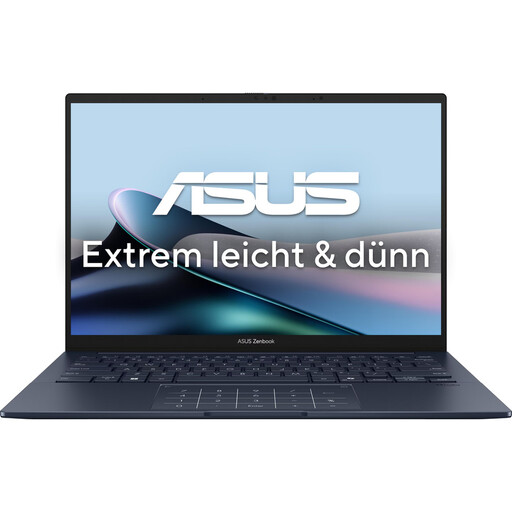
The ports listed are worth considering if you move between workspaces and use a monitor or other peripherals.
14-inch WUXGA OLED touchscreen, Intel Core U7 255H, Intel ARC, 16 GB RAM, 1 TB SSD and Windows 11 Home. Listed connections include two Thunderbolt 4 ports, USB-A and HDMI.
 No image available
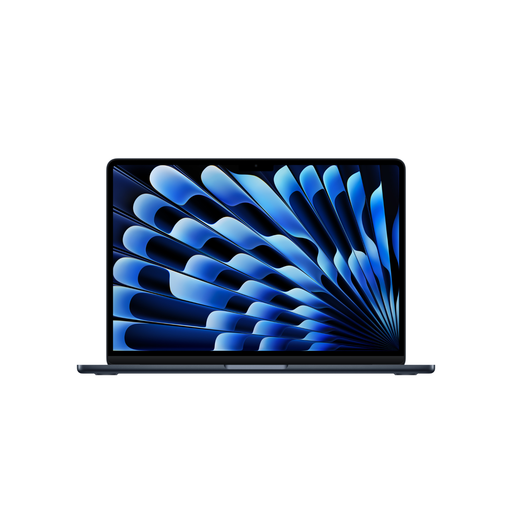
For travelling between locations and attending meetings, the listed screen size, weight and camera are useful points of comparison.
13.6-inch display, 10-core CPU, 8-core GPU, 16 GB unified memory and 512 GB SSD. Two Thunderbolt 4 ports and support for up to two external displays are listed. According to the product description, the device weighs 1.23 kg; a power adapter isn’t included and must be purchased separately.
 No image available
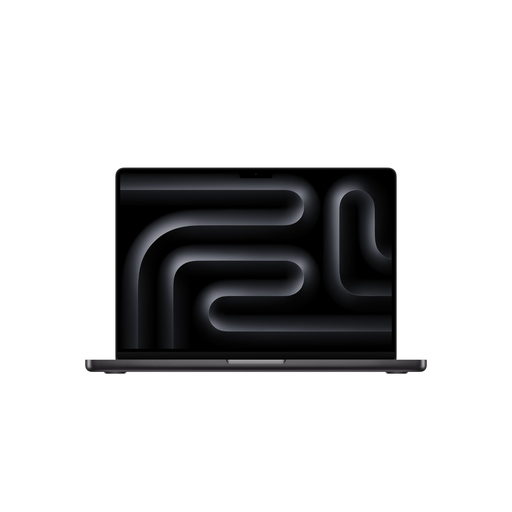
If you want to select or work on photos on the same device, the display, storage and ports for external devices are important points to compare.
14.2-inch Liquid Retina XDR display, 18-core CPU, 20-core GPU, 24 GB memory and 2 TB SSD. Listed connections include HDMI, an SDXC slot and three Thunderbolt 5 ports. A power adapter isn’t included and must be purchased separately.
 No image available
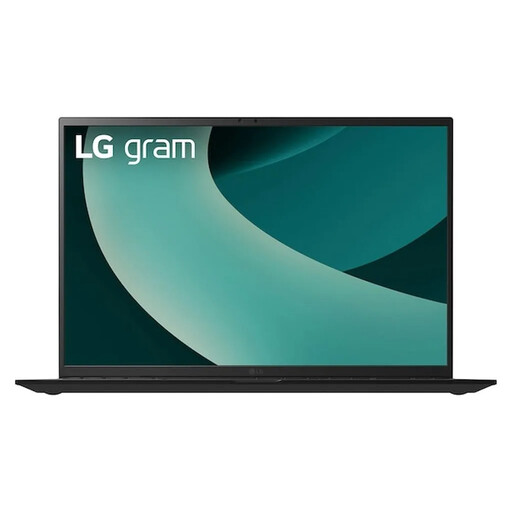
The larger display may be useful for reviewing photos; bear in mind how much space it will take up at a shared desk.
17-inch WQXGA IPS display with 99% DCI-P3, Intel Core Ultra 7 256V, Intel Arc Graphics 140V, 16 GB RAM and 1 TB SSD. The listed weight is 1.39 kg. Connections include Thunderbolt 4, USB-A and HDMI.
 No image available
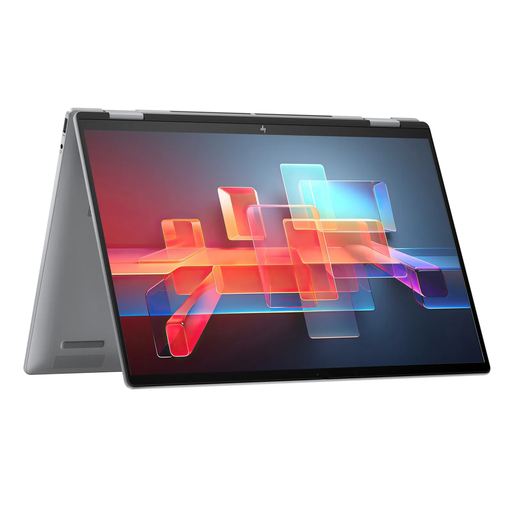
For video calls and photo work, consider the listed camera, display and the space taken up by this 16-inch device.
WUXGA IPS touchscreen with 100% sRGB, Intel Core Ultra 7 155U, 16 GB RAM and 512 GB SSD. The description lists a 5 MP IR camera with a manual privacy shutter and a 360° hinge. According to the description, the device weighs around 1.87 kg.
No, not for planning alone. If you mainly organise schedules, locations and contacts, start by comparing suitable laptops for organising; then decide whether you also want to review or edit photos on the same laptop.
Check that the ports on the specific model work with the monitor, dock, input devices and power supply at your workspace. Set up a user account that can be locked, and don’t leave project files accessible to other people using the desk.
No, the internal SSD isn’t a substitute for a separate backup. Germany’s Federal Office for Information Security describes backup copies as protection against faults, loss and accidental deletion. So make sure you have a separate backup process for important project files.
The European Commission explains that consumer purchases come with a minimum two-year legal guarantee; this doesn’t automatically mean the same legal position applies to a business purchase. Before ordering, check whether you’re buying as a private individual or a business, and distinguish your statutory rights from a voluntary manufacturer’s warranty.
No, choosing a particular laptop doesn’t automatically make the processing lawful. The European Commission explains that the GDPR requires a legal basis and appropriate safeguards for personal data; what’s required for your project depends on the specific way you work.