For writing an interview profile at home, your laptop should suit the way you write and research. The key things to consider are a comfortable display, the right ports and the exact specification. For long writing sessions, the DGUV recommends using a separate keyboard and mouse, plus an external screen where possible. If you prefer to read sources without an extra monitor, you may want a laptop with a larger built-in display; if you often work in different places, a more compact device may be a better fit.
Which device is right for you?
For prolific writers
If you write longer drafts at a desk, consider whether you can arrange the screen, keyboard and mouse in a way that works for you. For longer work sessions, the DGUV recommends using separate input devices and, where possible, an external screen.
For anyone comparing sources
If you often switch between your draft, notes and sources while writing, consider whether a larger laptop screen is enough for you or whether you’d prefer to connect an existing monitor. ASUS and Dell list different display and port features for their respective product variants.
For anyone working with interview files
If you also store interview files alongside your writing, make sure you have enough storage and set up regular backups that you can restore. Germany’s Federal Office for Information Security recommends backing up data and describes encryption as an additional safeguard for sensitive files.
What should you look for when buying?
First, think about whether you’ll mainly work at a fixed desk or in different places. Then check the display and monitor connection, the software you need, and the storage and backup options for your files.
| What matters when buying |
What to look for |
Who is this especially important to? |
| Comfortable typing |
Check the keyboard layout and typing feel. For long writing sessions, allow space for a separate keyboard, mouse and, where possible, an external screen. |
When I spend a long time writing, I want to be able to position the screen and input devices to suit me. Around 28% of consumers are likely to put ergonomic typing first. |
| Viewing drafts and sources together |
Decide whether you want to view your draft and sources on the laptop screen or use an existing monitor. Check the display size and ports on the specific variant. |
When I often compare notes and sources while writing, having enough room for several items matters to me. Around 22% of consumers are likely to prioritise keeping sources in view. |
| Protecting files |
Check you have enough storage for your files, set up regular backups and, for sensitive files, check which encryption options are available. |
When I save interview files and drafts locally, I don’t want to lose them if my device is lost or damaged. Around 22% of consumers are likely to prioritise file backup and protection. |
| Choosing the right specification |
Compare the configuration, operating system, ports and items included in the box. Remember to factor in the equipment and power supply you’ll need for your workspace. |
If my writing doesn’t require high-end graphics performance, I’d rather pay for the features I’ll actually use. Around 17% of consumers are likely to prioritise spending according to their needs. |
| Staying mobile |
Think about how often you’ll work somewhere else. Don’t assume the manufacturer’s battery-life figures will match your own working habits. |
If I sometimes work away from home, I want a device that’s easy to take with me. Around 11% of consumers are likely to prioritise portability. |
Common buying mistakes
-
Assuming an SSD is a substitute for backing up your data
Internal storage won’t protect you from data loss if your device breaks or you accidentally delete a file. Germany’s Federal Office for Information Security recommends making regular backups.
Set up a backup and check that you can restore files from it. For sensitive interview files, you can also look into suitable encryption.
-
Assuming the laptop screen is all you need for your workspace
For longer work sessions, it can be important to position the screen and input devices separately. The DGUV recommends using a separate keyboard and mouse and, where possible, an external screen.
Before buying, check your desk space, the equipment you already have and the connection your monitor needs.
-
Assuming every model in a range has the same specification and items in the box
Models sold under the same series name can have different specifications. For example, a power supply isn’t listed for the Dell Pro 14 PC14250 in the base configuration shown.
Check the full model name, exact configuration, ports and what’s included with the specific offer.
Brands to consider
Lenovo
The ThinkPad E14 Gen 7 AMD is one example of a Windows laptop with ports suited to desk-based work.
- Lenovo’s datasheet lists HDMI, USB-A, USB-C and Ethernet among the ports available on this model range.
- The processor, operating system and features vary by configuration. Check the details for the specific offer.
ASUS
The Vivobook 16 X1607 is one example of a laptop with a larger built-in display.
- ASUS lists a 16-inch display with 1920 × 1200 pixels, along with HDMI, USB-A and USB-C, for the X1607CA.
- SSD and processor options vary. ASUS also notes that the charger included can differ by country, region and model.
HP
The ProBook 4 G1i is one example of a compact Windows business laptop.
- For the AD2N3ET#ABD variant, HP lists Windows 11 Pro, 16 GB RAM, a 512-GB SSD and a 14-inch WUXGA display. These details apply to this specific configuration.
- Check the exact model number and what’s included with the specific offer before assuming it has particular features.
Dell
The Dell Pro 14 PC14250 is part of a range of Windows laptops available in different configurations.
- For the German base configuration, Dell lists Windows 11 Pro, 16 GB RAM and a 512-GB SSD.
- Dell notes that a charger isn’t included with the offer shown. Check the configuration and what’s included with the specific offer.
Apple
The 13-inch MacBook Air with M5 could be a good fit if its software and file-sharing options suit the way you plan to work on a Mac.
- Apple lists a 13.6-inch display and two Thunderbolt 4 ports for this model.
- Check that your existing accessories work with the ports and that the storage option you choose suits your files.
Joybuy product selection
This Joybuy selection is aimed at writing and researching at a home office desk. Each model listed has a 16-inch display. Check the exact specification and make sure it suits your software and other devices.
 No image available
Acer TravelMate TMP216-41-TCO
The 16-inch WUXGA display gives you a generous built-in viewing area for drafts and sources.
AMD Ryzen 3 PRO 7335U, 16 GB DDR5, 512 GB SSD, AMD Radeon 660M and Windows 11 Pro Education; USB4, USB-A, HDMI 2.1 and RJ-45.
View at Joybuy
 No image available
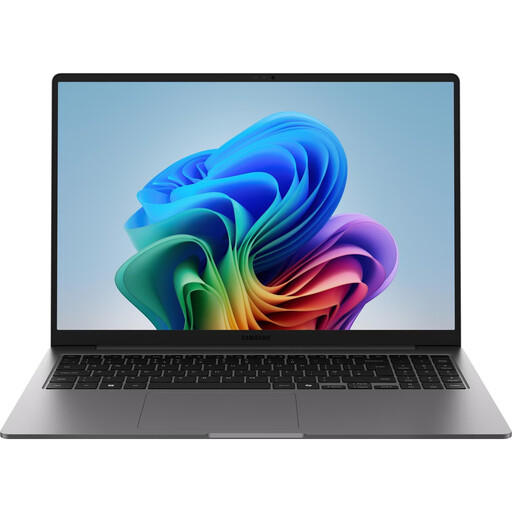
Samsung Galaxy Book6 Enterprise Edition 16-inch
The 16-inch WUXGA touchscreen and listed QWERTZ keyboard are useful features for working with text and sources at a desk.
Intel Core Ultra 7 355, 16 GB LPDDR5X, 512 GB NVMe SSD, Windows 11 Pro and RJ45.
View at Joybuy
 No image available
HONOR Magicbook X16 AMD 2025
The 16-inch display and listed German keyboard are well suited to longer writing sessions on the laptop itself.
AMD R5 6600H, 16 GB RAM, 512 GB SSD and German keyboard layout.
View at Joybuy
 No image available
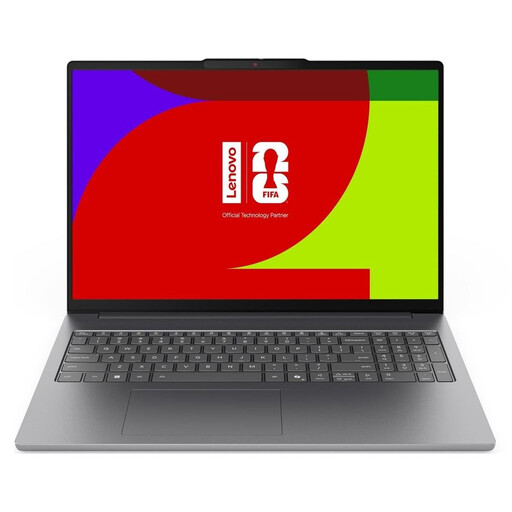
Lenovo IdeaPad Slim 5 16IPH11
The 16-inch WUXGA display and listed German keyboard are designed for writing drafts and working with sources on the laptop.
Core Ultra 5 322, 16 GB RAM, 1 TB SSD and Windows 11.
View at Joybuy
 No image available
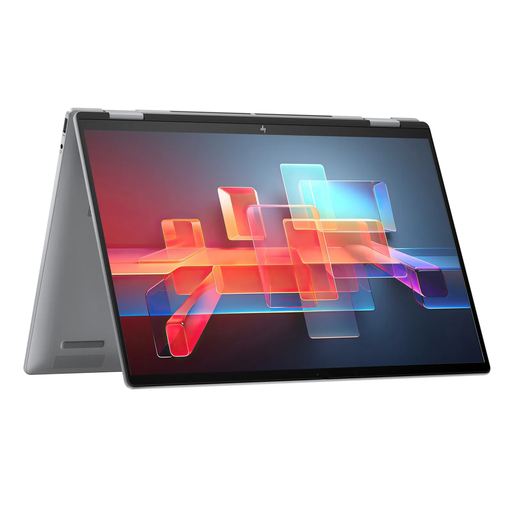
HP ENVY x360 16 (16-ac0473ng)
The 16-inch WUXGA display and listed QWERTZ layout are useful features for writing and working with sources.
Intel Core Ultra 7 155U, 16 GB RAM, 512 GB SSD and Windows 11; HDMI 2.1, USB-A and Thunderbolt ports.
View at Joybuy
Frequently asked questions
Do I need an external monitor for longer writing sessions?
Not necessarily. For longer work sessions, the DGUV recommends using a separate keyboard and mouse, plus an external screen where possible. Consider how long you work, how much desk space you have and whether drafts and sources are easy to read on the laptop screen.
How should I back up drafts and interview files?
Set up regular backups and check that you can restore files from them. Germany’s Federal Office for Information Security describes encryption as an additional safeguard for sensitive files stored locally; it isn’t a substitute for backing up your data.
Does a laptop always come with a power supply?
Don’t assume that every model in a range comes with the same accessories. Dell doesn’t list a power supply for the Pro 14 PC14250 in the base configuration mentioned, while HP lists one for the AD2N3ET#ABD variant. Check what’s included with the specific offer.
What are my rights in Germany if I buy a faulty laptop online?
Your statutory rights against the seller are separate from any voluntary guarantee. The Verbraucherzentrale explains the difference. If you discover a fault, check with the seller and review the terms that apply to your purchase.
Can I cancel an online laptop order in Germany?
Consumers generally have a right to withdraw from a distance-selling contract under § 312g BGB; § 355 BGB sets out a 14-day period. According to the Verbraucherzentrale, for ordered goods the period usually starts when you receive them. Check the withdrawal information and any legal exceptions, such as goods made to your specifications.


