What should you look for when buying?
Compact Windows laptop
A good fit if: You use a Windows working environment and want to connect your existing devices at a desk that’s shared with others.
The trade-off: Without an external monitor, a 14-inch display leaves less room to view your script and notes at the same time. Port and feature details don’t necessarily apply to every configuration.
Compact MacBook Air
A good fit if: You prefer macOS, your writing software runs on it and you often move between workspaces.
The trade-off: You may need a suitable adapter or compatible dock for HDMI or USB-A devices. Apple’s battery life claims are based on specific test conditions and aren’t a guarantee for a writing session.
Laptop with a larger display
A good fit if: You don’t have an external monitor and often want to read text, a scene outline and notes side by side.
The trade-off: A larger device takes up more room on a shared desk. For longer sessions, the DGUV also recommends considering the position of your input devices and screen.
The percentages refer to consumers choosing a laptop for this writing and editing setup; each row describes their main priority.
| Priority |
What to check when buying |
Who it matters most to |
| Long writing sessions |
Keyboard layout and feel; screen finish and readability in your actual workspace. |
When I’m editing long stretches of dialogue, I want to type comfortably and read the text easily. This is the main priority for around 28 % of consumers with this writing use case. |
| Connecting to a shared workspace |
Check the ports on the exact configuration against your monitor, keyboard, mouse and, if applicable, dock. |
If you want to keep using your existing desk equipment, you need suitable connections and an easy way to switch between workspaces. This is the most important consideration for around 22 % of consumers. |
| Formatting and collaboration |
Check the operating system and writing software; test templates, import and export with a sample file. |
When I share drafts with collaborators, I want the document to be readable on the devices they use and work in the required play format. This is the top priority for around 22 % of consumers with this use case. |
| Moving between workspaces and power |
Check the dimensions of the exact configuration, charger, available sockets and the conditions used for published battery tests. |
If you often need to clear the desk, you’ll want a device that’s easy to take with you and can be used without relying on a nearby socket. This is the main priority for around 17 % of consumers. |
| Additional equipment |
Make a note of your existing writing software and peripherals; only plan for devices and connections you actually need. |
If I want to make the most of the equipment I already have, I want to know in advance whether my software and devices will work with the laptop. This comes first for around 11 % of consumers with this writing use case. |
Joybuy products for more screen space
This selection features 16-inch laptops for anyone who wants a larger built-in screen for writing and editing.
 No image available
Acer TravelMate TMP216-41-TCO
The 16-inch screen gives you more built-in space for text and notes; check that it fits on your shared desk.
16 inches, WUXGA, AMD Ryzen 3 PRO 7335U, 16 GB DDR5, 512 GB SSD, AMD Radeon 660M and Windows 11 Pro Education.
View at Joybuy
 No image available
Lenovo ThinkBook 16 G9 AHP 21UT
The 16-inch model suits anyone who prefers more built-in screen space for text; bear in mind how much room it will take up on a shared desk.
AMD Ryzen 5 220 at 3.2 GHz, Windows 11 Pro, Radeon 740M, 32 GB RAM and 1 TB NVMe SSD.
View at Joybuy
 No image available
MSI Prestige N16 Flip AI+ C1XMT-027Y
This 16-inch 2-in-1 model is for anyone looking for a larger built-in screen in a convertible design.
16 inches, 2-in-1, 128 GB DDR5, 2 TB SSD and Windows 11 Pro.
View at Joybuy
 No image available
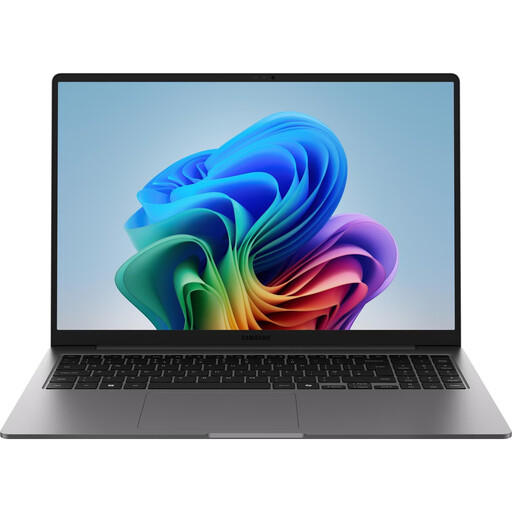
Samsung Galaxy Book6 Enterprise Edition 16-inch
The 16-inch touchscreen is an option if you prefer more built-in screen space for text; check that the device will fit your workspace.
Intel Core Ultra 7 355, 16 GB LPDDR5X, 512 GB NVMe SSD, Windows 11 Pro and RJ45.
View at Joybuy
 No image available
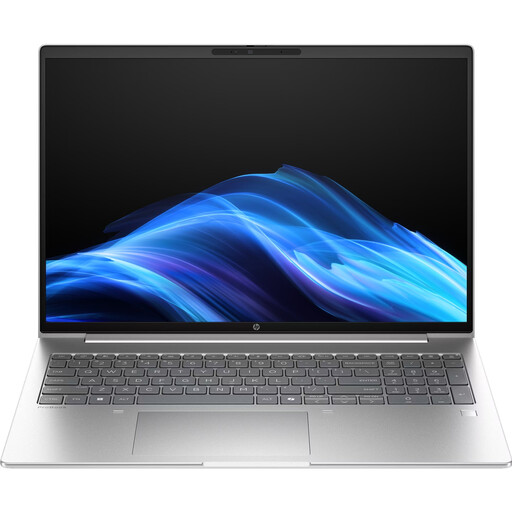
HP ProBook 4 G1a 16-inch
The 16-inch model gives you more built-in screen space for working with text; consider how much room it will take up on a shared desk.
AMD Ryzen 5 230, 16 GB DDR5, 512 GB SSD, WUXGA IPS display, AMD Radeon 760M and Windows 11 Pro.
View at Joybuy
Frequently asked questions
Do I need specialist screenwriting software to write a play?
No. The formatting and software options mentioned here don’t make it a general requirement. What matters is the guidance from the theatre or competition you’re submitting to. The Dramatists Guild describes its play formats as guidelines, and Fade In offers a playwriting template.
How should I set up a laptop for long sessions at a shared desk?
If space and equipment allow, use a separate keyboard and mouse for longer work sessions, along with an external monitor where possible. This is an ergonomic recommendation from the DGUV, not a blanket requirement for people writing at home.
What should I test before sharing a draft?
Open a sample file in the applications you’ll actually use, then check the dialogue, scenes and pages after exporting. LibreOffice Writer supports DOCX and PDF export; that doesn’t mean every formatting detail will remain unchanged.
Is a manufacturer’s warranty the same as your statutory consumer rights?
No. For a consumer purchase in Germany, your statutory rights are against the seller; a manufacturer’s warranty is an additional voluntary service subject to its own terms. Section 438 of the German Civil Code (BGB) generally sets a two-year limitation period for the specified claims relating to defects in ordinary purchased goods, starting from delivery. How a specific defect is handled depends on the purchase and the individual circumstances.
Do workplace screen regulations automatically apply to my desk at home?
No. The Workplace Ordinance applies within its legal scope, particularly to workplaces used by employees; simply choosing a laptop doesn’t bring a desk used privately within its scope. If you work there as an employee, the workspace and how you use it need to be assessed separately in the relevant employment context.


