Start by choosing your documentation software and checking that its required outlining, contents and sharing features are available on the operating system you plan to use. If you write on the move often, a compact 14-inch laptop is an obvious choice. Without an external monitor, a larger screen can give you more room for drafting and references, but it takes up more space too.
Which laptop is right for you?
Guide writer working with a complex outline
If you regularly reorganise chapters and subchapters, look for heading styles, navigation and a table of contents that updates automatically. Microsoft Support explains these outlining features in Word, while the Google Docs Editors Help covers headings and tables of contents.
Writer using references at a desk
If you switch between a guide, a software interface and reference material as you write, comfortable input devices and enough usable screen space are important. Notebookcheck lists input devices and an anti-glare display among the things to consider when choosing an office laptop.
Writer who works on the move
If you edit your guide in different places, you’ll need to weigh the built-in screen space against the weight and everyday portability of the laptop. Notebookcheck lists different screen sizes and weights for specific office laptop models.
What should you look for when buying?
Microsoft Support explains how Word’s built-in heading styles support navigation and multilevel numbering; the Google Docs Editors Help covers headings and tables of contents that can be updated. So start with the specific software you use and the file formats you need to share, then consider screen space and portability.
| Consideration |
What to check before buying |
Who it matters most to |
| Software and document structure |
On the operating system you plan to use, test a sample document with subheadings, navigation, a table of contents and the file formats you need to share. |
When I reorganise chapters, my word processor needs to support the heading levels and document features I need; around 36% of consumers prioritise software and document structure. |
| Writing comfort and screen space |
Try the keyboard and pointing device; check the screen surface and resolution, and the connections available for any monitor you already own. |
For long writing sessions, I want comfortable input devices and a clear view of my draft and references; around 29% of consumers put writing and reading comfort first. |
| Portability |
Compare the weight of the complete configuration, screen size and readability, and remember to factor in the power adaptor you’ll need to carry. |
When I work in different places, the weight and screen space need to suit my day-to-day needs; around 21% of consumers prioritise portability. |
| Cost and useful life |
Compare complete configurations with suitable software, and check service terms separately from your statutory rights. |
If I want to use my laptop for longer, I compare the specification and service terms rather than just the starting price; around 14% of consumers place the greatest emphasis on cost and useful life. |
Avoid common buying mistakes
-
Formatting headings for appearance alone
In Word, headings appear in the Navigation pane when you use the appropriate heading styles. Microsoft explains how to link multilevel numbering to built-in styles.
Before choosing a laptop, create a short sample document with the levels you actually need and test it in the word processor you plan to use.
Without the right styles, navigating the document and maintaining the table of contents can take extra work.
-
Assuming every model in a range matches the configuration you tested
Individual reviews and manufacturer websites may show different specifications within the same model range. The range name alone therefore doesn’t confirm which screen or hardware variant is available.
Compare the full model number, processor architecture, display and specification of the specific laptop with the model you’re considering.
Choosing a different variant could mean paying more or ending up with a specification that doesn’t suit your needs.
-
Choosing an ARM laptop based on its Windows label alone
Microsoft explains that some Windows applications run on ARM devices through emulation. This doesn’t guarantee compatibility with your specific documentation software or peripherals.
Before buying, check that your writing software, add-ons and required devices and their drivers are supported.
Relevant brands to consider
Lenovo
The ThinkPad L14 Gen 5 is an example of a 14-inch business laptop.
- Lenovo says this range has an accessible keyboard and replaceable components.
- Check the details for the specific configuration; they don’t demonstrate any particular advantage for working with nested headings.
ASUS
The ExpertBook PM3406 is a 14-inch business option, while the Vivobook S16 S3607QA is a different, larger office model.
- ASUS lists an anti-glare display for the ExpertBook PM3406.
- Features may depend on the configuration you choose; details about the Vivobook shouldn’t be applied to the ExpertBook.
Dell
The Dell Pro 14 PC14250 is a configurable business laptop for a compact workspace.
- The model range offers different configurations.
- Before buying, check the display type and the specification you’ve selected; the manufacturer’s information is no substitute for an independent keyboard test.
HP
The EliteBook 840 G11 is a business laptop for a compact writing space.
- HP promotes collaboration features for this model.
- The manufacturer’s description doesn’t establish any particular advantage for working with nested headings.
Apple
According to Apple, the MacBook Air with M5 is available in 13-inch and 15-inch versions.
- The different screen sizes let you choose how much workspace you want.
- Before choosing, check that the documentation software you need and the way you share files with others work with macOS. Apple’s battery life figures aren’t specific to writing a guide.
Joybuy products for writing on the move and more screen space
This selection includes compact laptops for writing on the move and larger screens for drafting and referencing at a fixed desk. If you’re considering the Surface with Snapdragon, check that your software and required drivers are compatible.
 No image available
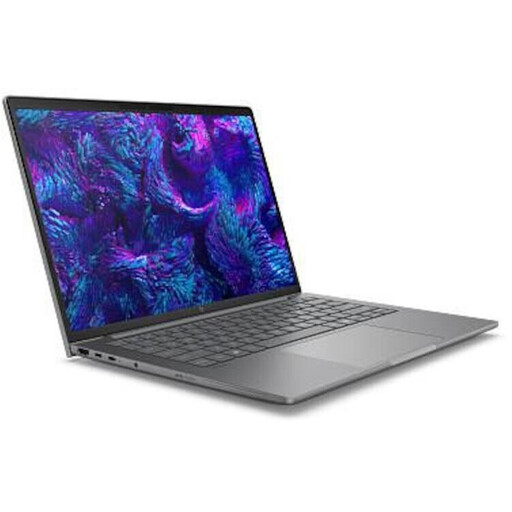
HP ZBook 8 G1i 14, Ultra 9 285H, 64 GB RAM, 1 TB SSD
For editing on the move, if a compact design suits your workspace.
- Display: 14 inches, WQXGA, 2,560 × 1,600 pixels, 16:10
- Listed weight: 1.43 kg
- Processor: Ultra 9 285H
- Memory and storage: 64 GB RAM, 1 TB SSD
View at Joybuy
 No image available
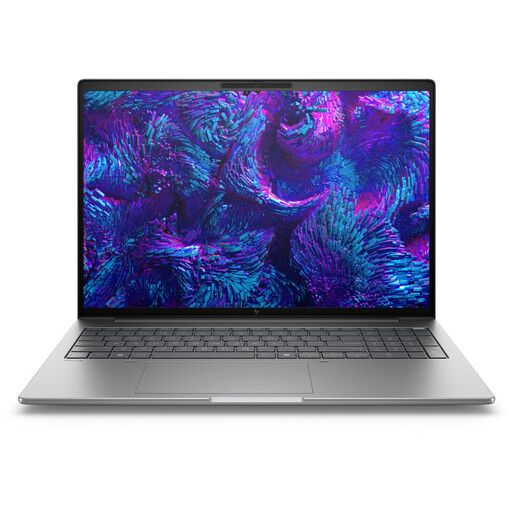
HP ZBook 8 G1i 16, Ultra 7 265H, 64 GB RAM, 2 TB SSD
For a fixed writing space where you’d like a larger built-in display.
- Display: 16 inches, WUXGA, matte and anti-glare, 16:10
- Listed weight: 1.72 kg
- Processor: Ultra 7 265H
- Memory and storage: 64 GB RAM, 2 TB SSD
View at Joybuy
 No image available
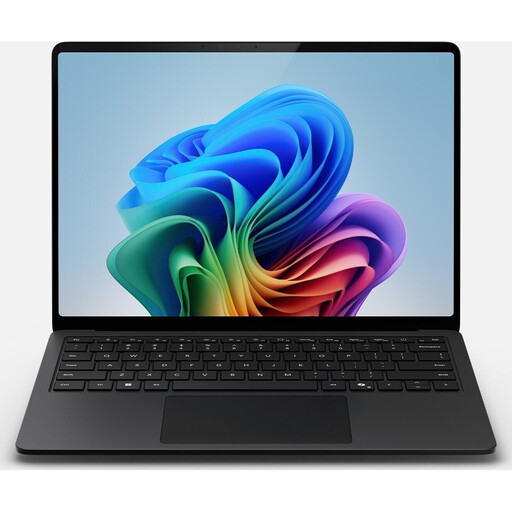
Microsoft Surface Laptop 7 with Snapdragon X Plus, 16 GB RAM, 512 GB SSD
For writing on the move with a compact screen. With Windows on ARM, check that your specific software and required drivers are compatible. Microsoft explains that some applications run through emulation.
- Display: 13.8 inches, 3:2
- Listed weight: 1.34 kg
- Memory and storage: 16 GB RAM, 512 GB SSD
- Operating system: Windows 11 Professional
View at Joybuy
 No image available
HP OmniBook Ultra Flip 14-fh0670ng, 14 inches, 2-in-1
For writing on the move, if a 14-inch design and touchscreen suit the way you work.
- Display: 14 inches, OLED touchscreen, 2.8K, 16:10
- Listed weight: 1.34 kg
- Processor: Intel Core Ultra 7 258V
- Memory and storage: 32 GB RAM, 1 TB SSD
- Operating system: Windows 11 Home
View at Joybuy
 No image available
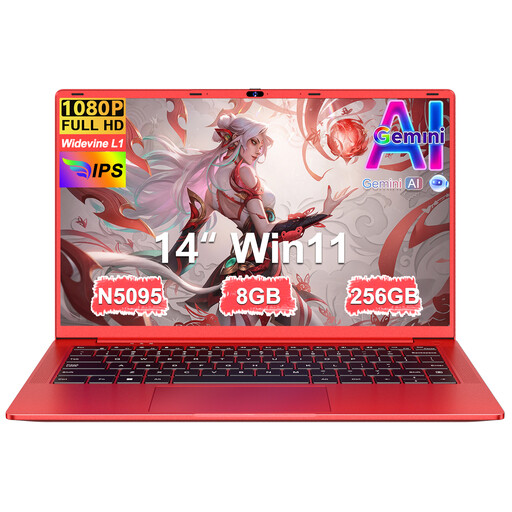
Ruzava 14-inch laptop, 8 GB RAM, 256 GB SSD
For a compact writing space, if the listed specification suits your software and workflow.
- Display: 14 inches, FHD
- Processor: N5095, up to 2.9 GHz
- Memory: 8 GB RAM
- Storage: 256 GB SSD, expandable up to 1 TB
View at Joybuy
Frequently asked questions
Do I need a particularly powerful processor for subchapters?
There’s no specific laptop processor requirement for the outlining features described here. First, check that the word processor and styles you need work on the system you plan to use. If you’ll be running other programmes at the same time, you may need a different specification.
How do I create numbered subchapters and a table of contents?
In Word for Windows, you can link built-in heading styles to a multilevel list; headings formatted this way appear in the Navigation pane. Google Docs supports heading levels and a table of contents that can be updated. Check these features in the application and version you actually use.
Are a laptop’s warranty and statutory rights the same thing?
No. Your statutory rights cover claims against the seller for faulty goods, while a warranty is a voluntary promise with its own terms. According to Verbraucherzentrale, consumers who buy online generally have a 14-day right to cancel, starting from delivery.
Where can I take an old laptop in Germany?
According to the Federal Ministry for the Environment, old electrical equipment must be handed in at an authorised collection point, such as a local recycling centre or an authorised retailer or manufacturer. It must not go in household waste.


