What should you look for when buying?
First, think about whether you’ll mainly edit long pieces, connect equipment already at your desk or take your laptop with you frequently. These different ways of working lead to different priorities when choosing a laptop for writing a theatre review at a shared desk.
| Priority |
What to check when buying |
Who it matters most to |
| Typing comfort and readability |
Try the keyboard and text display for yourself; consider whether you can use a monitor or external keyboard at your workspace. |
If I’m writing long drafts and checking them against my notes, I want typing and viewing to feel comfortable. Around 29% of consumers put typing comfort and readability first. |
| Space and privacy |
Check that the ports work with your existing devices; set up a screen lock for short breaks. |
If I use a shared desk, I want to connect accessories without a complicated setup and protect open drafts from unauthorised access. Around 24% of consumers prioritise organisation and privacy. |
| Portability and power |
Consider the device along with the charger and adapters you need; don’t assume battery-life figures will reflect your own workflow. |
If I move between different workspaces, I don’t want to carry more equipment than necessary, and I need to plan where I can charge. Around 18% of consumers pay particular attention to portability and power. |
| Software and working offline |
Check that your intended system supports your editorial software, file formats, printer and any tasks you need to do offline. |
If my writing and submission process depends on particular programmes or files, it needs to work on the system I choose. Around 17% of consumers prioritise software compatibility and offline working. |
| Overall cost and setup |
For the exact configuration, check the operating system, keyboard layout, charger and any adapters you need. |
If I want to keep using the accessories I already have, I want to understand what else I’ll need to buy to complete my setup. Around 12% of consumers prioritise the overall cost, including any accessories they may need. |
Joybuy products for writing
This selection includes laptops and a 2-in-1 device for writing at a shared desk. In particular, check that the ports, keyboard and software suit your workspace.
 No image available
Acer TravelMate TMP216-41-TCO, 16 inch, Ryzen 3 PRO 7335U, 16 GB RAM, 512 GB SSD
A 16-inch WUXGA IPS display is listed for longer drafts; the specifications include Windows 11 Pro Education.
Listed ports include USB4, USB 3.2, HDMI 2.1 and RJ-45. The stated weight is 1.80 kg.
View on Joybuy
 No image available
Lenovo ThinkBook 16 G9 AHP 21UT, Ryzen 5 220, 32 GB RAM, 1 TB SSD
For writing in German, the description lists a backlit German keyboard and a 16-inch WUXGA IPS display.
Listed ports include HDMI 2.1, USB4-C, USB-C and USB-A. The stated weight is 1.7 kg.
View on Joybuy
 No image available
Lenovo ThinkPad E16 Gen 3 21ST, Ryzen 7 250, 32 GB RAM, 1 TB SSD
For longer pieces, the description lists a WUXGA IPS display and a German QWERTZ keyboard.
Listed ports include HDMI 2.1, USB4-C, USB-C, USB-A and RJ-45. The stated weight is 1.71 kg.
View on Joybuy
 No image available
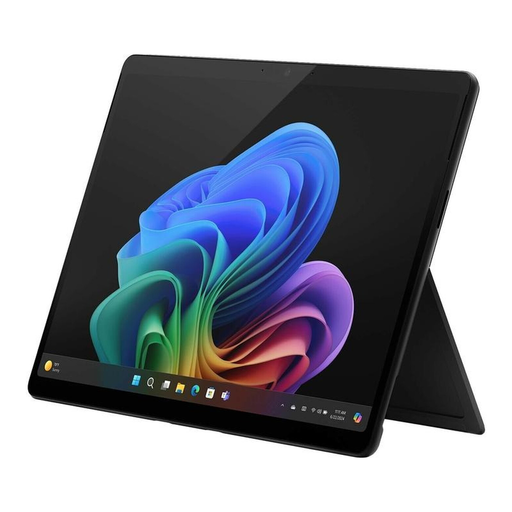
Microsoft Surface Pro 11 for Business, 13-inch OLED, Core Ultra 7 266V, 16 GB RAM, 512 GB SSD
According to the description, this 13-inch 2-in-1 is designed for both laptop and tablet use. If you’ll be writing for longer periods, check which keyboard will suit your setup.
Windows 11 Pro and two Thunderbolt 4 ports via USB-C are listed. The description gives the device weight as 0.872 kg.
View on Joybuy
 No image available
Ruzava 14-inch laptop, N5095, 8 GB RAM, 256 GB SSD
For writing on a compact device, the specifications list a 14-inch FHD IPS display and 8 GB RAM.
The description lists an SSD that can be expanded up to 1 TB, a weight of 1.39 kg and a 180-degree hinge. Ports include USB 3.0, Type-C and Mini-HDMI.
View on Joybuy
Frequently asked questions
How do I set up a laptop for writing for long periods at a shared desk?
Arrange the screen and input devices to suit the equipment you have and the work you’re doing. The Federal Institute for Occupational Safety and Health notes that ASR A6 applies to the use of display screen equipment at a fixed workstation; it doesn’t apply generally to every occasional personal use of a shared desk.
How can I protect an open draft if I step away briefly?
Lock your device, even if you’re only leaving for a moment. The Federal Office for Information Security recommends this for the workplace. If you use a work device, you should also follow your organisation’s IT guidance.
Can I carry on writing my review on a Chromebook without an internet connection?
You can do this with certain Google Drive files if you set up offline access beforehand and make the file available. Google notes that some apps don’t work offline.
What are my rights if a laptop I bought online is faulty?
For a consumer purchase, your statutory rights against the seller are separate from any voluntary guarantee. On 28 September 2026, the Consumer Advice Centre explained that statutory rights are set by law, while a guarantee is voluntary. Online purchases generally come with a right to cancel, usually within 14 days. In its guidance dated 13 August 2026, the Consumer Advice Centre highlights exceptions and the need to check when the relevant time limit starts. Cancelling because you’ve changed your mind is different from making a claim about faulty goods.
Is a CE mark an independent quality certification?
No. According to information from the European Union, the CE mark is the manufacturer’s declaration that the product complies with the relevant requirements. It isn’t an independent endorsement of typing comfort or battery performance; the rules that apply depend on the specific product.


