First, choose an operating system that’s compatible with your cataloguing software and import devices. Then decide how linked files will be stored and synchronised. If you spend long periods working with entries, photos and sources side by side, a larger display can make a real difference. For cataloguing in different locations, the laptop’s form factor and the right ports matter. A larger SSD is no substitute for a separate backup of your catalogue and source files.
Who these requirements matter most to
Collectors with linked sources
You link records and object information, and want associated files to remain easy to find even after changing devices. In Zotero, how attachments are handled depends on whether they’re stored in the app or linked externally.
Collectors with lots of object photos
You regularly import and review images, and need space for catalogue entries and original files. So check your existing photo collection and how files are transferred from your camera or other device to your laptop.
Collectors who work in different locations
You don’t catalogue items only at your desk. The laptop’s form factor and screen size, along with the ports for your import devices, need to suit the places where you work.
What to look for in a laptop for your collection
First, check that your software and import devices are compatible. Then plan for file storage, screen size and backups to suit the way you work.
| Priority |
What to check before buying |
Who it matters most to |
| Software and source links |
Check that your specific cataloguing software is compatible; after transferring your files, open an entry, link and attachment on a second device. |
If I need to keep using my source links after changing devices, I check the software and file paths first; around 31% of consumers put access to their source links first. |
| Space for photos and documents |
Check your existing data and expected growth; compare the SSD capacity of the specific configuration with your image-import needs. |
If I store lots of object photos locally, I want to estimate how much space I’ll need in advance; around 25% of consumers prioritise storage for photos and documents. |
| Readability while cataloguing |
Try your own application with an entry and image side by side; compare the screen size and resolution of the exact configuration. |
If I want to compare photos and records directly with an entry as I catalogue, I look at the available workspace; around 19% of consumers prioritise an easy-to-view layout when cataloguing. |
| Backing up your collection |
Plan a restorable backup of your catalogue data and original files, and test that you can restore it. |
If I want to keep the objects I’ve catalogued and their files safe, I plan a separate backup; around 13% of consumers prioritise protecting their collection data. |
| Cataloguing on the go and ports |
Make a note of where you work and which connectors you use; check the form factor and ports of the specific configuration against your import devices. |
If I catalogue items where they’re stored, the laptop and import devices need to be practical to use there; around 12% of consumers prioritise mobile cataloguing and suitable ports. |
Common misconceptions about catalogues and source files
-
A synchronised catalogue automatically includes all linked files
In Zotero, externally linked files aren’t automatically synchronised with the app. An entry may be available on your new device while its attachment is missing.
Decide whether attachments will be stored in the app or linked externally. Synchronise or back up linked files separately, and test the transfer using real attachments.
-
A larger SSD is already a backup
Internal storage won’t protect you from device failure, theft or accidental deletion.
Back up your catalogue and original files separately on a regular basis, and check that you can restore the backup. Germany’s Federal Office for Information Security also recommends making sure you can restore your data.
-
The model name tells you exactly what’s included
The display, storage and ports can vary between configurations; details for a specific model don’t automatically apply to every version.
Check the full model number, as well as the display, RAM, SSD, keyboard and ports, against the configuration on offer.
-
A voluntary guarantee replaces your statutory rights
A voluntary guarantee and your statutory rights against the seller are two different things.
Check who the seller is and what conditions apply to any extra voluntary cover. Don’t treat it as a replacement for your statutory rights.
Key laptop brands at a glance
Lenovo
The ThinkPad E14 Gen 7 AMD 21T0003NGE is a compact Windows configuration for cataloguing in different locations.
- For this configuration, Lenovo lists a matte 14-inch display, a German keyboard, 32 GB RAM and a 1-TB SSD.
- These details apply to this specific configuration; compared with a 16-inch device, there’s less built-in screen space.
HP
The OmniBook 5 16-bp0770ngx is a larger Windows option for working with catalogues and images at your desk.
- For this version, HP lists a 16-inch display, 16 GB RAM and a 512-GB SSD.
- Whether the SSD has enough space for your photo archive depends on how much data you actually have; these specifications don’t automatically apply to other OmniBook versions.
Apple
The MacBook Air is a macOS option, provided your cataloguing software and import devices are compatible with macOS.
- For the 13-inch model with M5, Apple lists a 13.6-inch display and two Thunderbolt 4/USB-C ports.
- You may need an adapter for devices with a different connector. These specifications don’t confirm compatibility with unspecified cataloguing software.
Dell
The Inspiron 14 2-in-1 7440 is a Windows alternative to consider if you genuinely need touch controls when reviewing or cataloguing items.
- Dell describes the configuration shown as having a 14-inch FHD+ touchscreen, 16 GB RAM and a 512-GB SSD.
- Touch isn’t a proven benefit for simply linking source files. Check the exact configuration and what’s included before buying.
Joybuy products for cataloguing and photos
These laptop options are a starting point for catalogue entries and local files, from compact devices to 16-inch models. Check that each operating system and its ports are compatible with your cataloguing software and import devices.
 Image unavailable
Acer TravelMate TMP216-41-TCO, 16-inch WUXGA business laptop
If you do most of your cataloguing at a desk, the 16-inch format could work well for reviewing entries and images; check compatibility with your specific software.
Listed in the product title: AMD Ryzen 3 PRO 7335U, 16 GB DDR5, 512 GB SSD, AMD Radeon 660M and Windows 11 Pro Education.
View at Joybuy
 Image unavailable
HP OmniBook Ultra Flip 14-fh0670ng, 14-inch 2-in-1 laptop
The 14-inch 2-in-1 format could suit you if you work in different ways and touch or tablet controls are genuinely useful for cataloguing; check software compatibility.
Listed in the product title: touchscreen, 2.8K OLED, Intel Core Ultra 7 258V, 32 GB RAM, 1 TB SSD and Windows 11 Home.
View at Joybuy
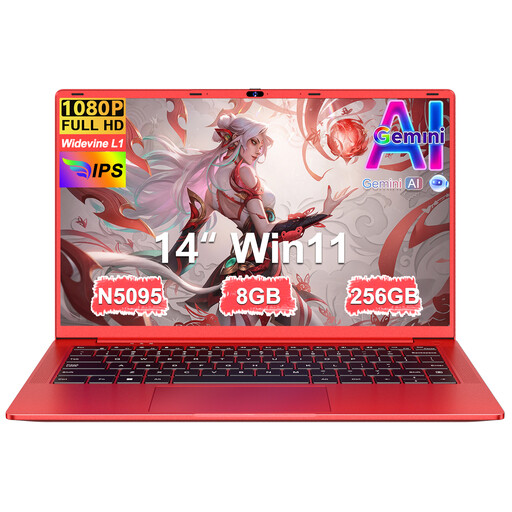 Image unavailable
Ruzava 14-inch laptop, red, 8 GB RAM, 256 GB SSD
If you’re looking for a 14-inch device for cataloguing on the go, check in advance that its storage and ports suit your files and import devices.
Listed in the product title: Intel N5095 up to 2.9 GHz and FHD display. The SSD is described as expandable up to 1 TB; check what this expansion refers to before buying.
View at Joybuy
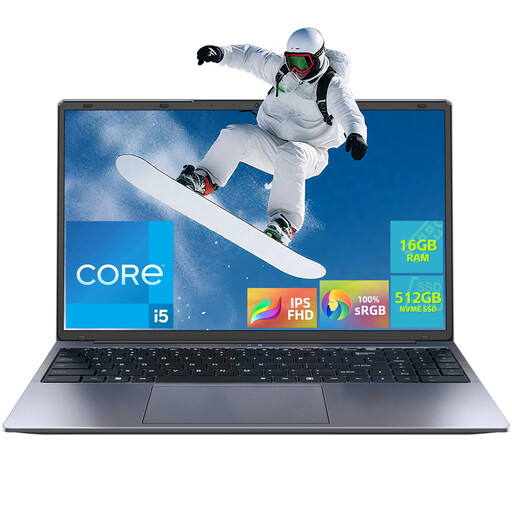 Image unavailable
16-inch laptop, Intel Core i5-8210Y, 16 GB RAM, 512 GB SSD
The 16-inch format could work well if you mainly review catalogue entries and images at a desk; check that the stated version of Windows is compatible with your software.
Listed in the product title: FHD display and Windows 11 Pro.
View at Joybuy
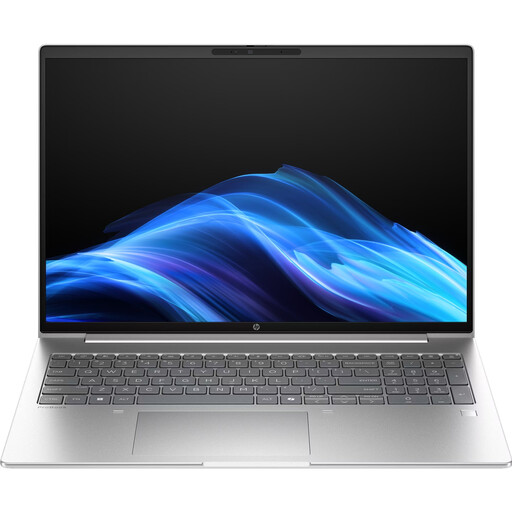 Image unavailable
HP ProBook 4 G1a 16, business laptop
If you want to review entries and images at your desk, the 16-inch format is one option; check that the operating system and ports suit the way you work.
Listed in the product title: AMD Ryzen 5 230, 16 GB DDR5 RAM, 512 GB SSD, WUXGA IPS display and Windows 11 Pro.
View at Joybuy
Frequently asked questions
Do I have to use Windows for linked source files?
No, not just because you’re linking files: the Hamburg University of Technology Library describes Zotero as available for Windows, macOS and Linux. What matters is whether your specific inventory or cataloguing software and import devices work with the operating system you choose.
How can I prevent broken file links when I change laptops?
If you use Zotero for sources, setting a base directory for linked files stored in that location can allow relative paths. Zotero won’t move or synchronise those files for you, though: transfer or synchronise them separately, then open a few attachments to check them after the move.
Is syncing my catalogue software enough of a backup?
You shouldn’t assume so. Zotero doesn’t synchronise externally linked files itself; Germany’s Federal Office for Information Security recommends regular backups and notes that you also need to be able to restore your data. So back up the catalogue file you actually use and all associated original files, following the method recommended for your application.
Could Windows 11 in S mode restrict me from installing my cataloguing software?
Yes. Microsoft explains that Windows 11 in S mode only runs apps from the Microsoft Store. So check whether your specific cataloguing software is available there; this restriction applies to devices that are supplied in S mode.
What rights do I have when I buy a laptop online in Germany?
For a typical online purchase from a trader, you generally have a 14-day right to cancel, starting from delivery; exceptions and possible return costs should be considered. If the laptop is faulty, you have statutory rights against the seller for at least two years from receipt. EU guidance distinguishes these rights from a voluntary manufacturer’s guarantee.


