Checking for duplicates
When comparing similar titles and editions, you need to work out whether records belong together or describe different physical copies. RISM and Zotero Documentation explain different aspects of this process.


Choose a laptop that runs your particular cataloguing software and has a screen that makes it easy to compare records, editions and individual copies. Duplicate detection depends on your software workflow, not the laptop model. If you work in different locations, a more compact device may suit you better; for longer comparisons at a fixed workstation, a larger screen may be preferable. Also check the ports, and how you’ll store and back up catalogue data and digital attachments.
When comparing similar titles and editions, you need to work out whether records belong together or describe different physical copies. RISM and Zotero Documentation explain different aspects of this process.
If you manage digital attachments as well as catalogue data, you should plan how to store and restore both. Zotero Documentation distinguishes between data syncing and file attachments.
If you catalogue sheet music in different locations, weigh screen size against portability and the ports you need for your existing devices. Manufacturer specifications for Lenovo, HP and Apple models describe specific device configurations.
First, check that your cataloguing software runs on the operating system you plan to use. For attached files, consider storage and backup separately from your catalogue data: Zotero Documentation notes that data syncing does not automatically include file attachments.
| What you need | What to check before buying | Who should pay particular attention? |
|---|---|---|
| Check for duplicates accurately | Make sure the software and operating system are compatible; check that you can compare editions, identifiers and copy details side by side. | When I catalogue similar titles, I want to distinguish between editions and individual copies before merging records. Around 31% of consumers prioritise accurate duplicate checking. |
| Keep your catalogue and attachments safe | Check whether files are stored or linked; make sure local storage is sufficient and that you can restore both the catalogue and its attachments. | If I keep PDFs or other attachments, I want to be able to restore both my catalogue and my files. Around 25% of consumers put keeping data and attachments safe first. |
| Compare records and sheet music | Check the display format and resolution of the specific model against a typical catalogue view; if you use an external screen, check that it has the video port you need. | At a fixed workstation, I want to be able to read catalogue fields and sheet music clearly. Around 25% of consumers prioritise having enough screen space for their work. |
| Move between workstations | Match the screen size and design to where you’ll use the laptop; check the ports for scanners, drives and existing screens. | If I catalogue sheet music in different locations, I need a portable device that works with my peripherals. Around 19% of consumers prioritise portability and ports. |
RISM distinguishes between the description of a printed edition and details of individual copies. Zotero checks for possible duplicates using specific metadata fields, so a similar title alone won’t tell you whether records belong together.
Before merging records, compare the edition, identifiers and details specific to each copy.
Reconstructing collection records after merging them incorrectly can mean extra cataloguing work.
Microsoft Support warns that removing duplicate values can permanently delete data.
First, make a copy of your original data, flag possible duplicates and compare them before cleaning them up.
Lost records can mean having to enter the data again.
Zotero Documentation distinguishes between data syncing and file attachments; linked files are also stored outside the Zotero data directory.
Check where attachments are stored and how they sync separately, then test that you can restore them.
Depending on how your files are stored, you may need extra file storage or have to spend time restoring them.
Manufacturer specifications for ports and features can vary between configurations. Make sure your existing scanner or screen is compatible with the exact model you choose.
Check the full model number, operating system, keyboard and required ports against the listing.
If a port you need is missing, you may need a suitable adapter or docking station.
The ThinkPad E14 Gen 7 AMD is a compact Windows option for working in different locations.
The ProBook 4 G1i range includes documented 14- and 16-inch configurations to suit different workspace sizes.
The Dell Pro 14 PC14250 is a 14-inch Windows range worth considering if you already have office equipment.
The MacBook Air with M5 may suit you if your cataloguing software and peripherals work with your macOS setup.
The TravelMate P2 14 is a business laptop range for compact workspaces, with display and network ports.
These 16-inch laptops may suit a mainly fixed workstation if you want a larger built-in workspace for comparing records and sheet music. Also check that the operating system and ports work with your cataloguing software and peripherals.
 No image available
For comparing catalogue fields and sheet music at a mainly fixed workstation; check compatibility with your cataloguing software and peripherals.
AMD Ryzen 3 PRO 7335U, 16 GB DDR5, 512 GB SSD, AMD Radeon 660M, Windows 11 Pro Education.
 No image available
For comparing catalogue fields and sheet music at a fixed workstation; check that the operating system is compatible with your cataloguing software.
Intel Core Ultra 5 325, 32 GB DDR5, 512 GB PCIe SSD, Windows 11 Pro.
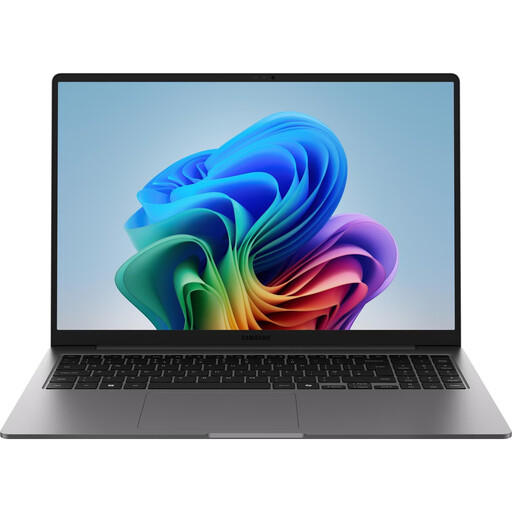 No image available
For cataloguing with a larger built-in workspace; check that the ports are suitable for your screen and other devices.
Intel Core Ultra 7 355, 16 GB LPDDR5X RAM, 512 GB NVMe SSD, Windows 11 Pro, RJ45.
 No image available
The 16-inch model may suit you for comparisons at a fixed workstation; check that the German keyboard layout and software compatibility meet your needs.
AMD R5 6600H, 16 GB RAM, 512 GB SSD, German keyboard layout.
 No image available
For cataloguing with a larger built-in workspace; check that the listed specifications work with your software and connected devices.
16-inch QHD+ 240Hz, AMD Ryzen 7 7745HX, 16 GB DDR5 RAM, 1 TB SSD, NVIDIA GeForce RTX 5060.
No. First check the edition and individual copies: RISM distinguishes the bibliographic description of a printed edition from details of individual copies. Microsoft Support warns that ‘Remove Duplicates’ can permanently delete data; Zotero Documentation recommends merging records rather than deleting them when they really are duplicates.
First check whether your application stores files or simply links to them. With Zotero, data syncing doesn’t automatically include file attachments; if needed, set up file syncing separately and test that you can restore both your catalogue and its files.
For a consumer purchase from a business seller, the EU rules described here generally provide a legal guarantee of at least two years from receipt. This is separate from a voluntary manufacturer’s warranty. For a consumer contract made online, you generally have a 14-day right to cancel from delivery, subject to legal exceptions. Your Europe explains these consumer rights; they don’t necessarily apply to a purchase made as a business or from a private individual.
Recording catalogue data is not the same as reproducing sheet music. Section 53(4) of the German Copyright Act (UrhG) restricts the reproduction of graphic representations of musical works; whether permission or an exception listed there applies depends on the specific work and purpose. Buying a laptop doesn’t give you the right to scan or publish sheet music.