A large bag of nuts can work well for after-school snacks if that type of nut is eaten regularly and you can store the contents properly once opened. Whether you choose one type of nut or a mix depends mainly on the ingredients, any potential allergens and the preferences of everyone who will be eating them. For salted varieties, it’s also worth checking the ingredients and nutritional information.
Who might want to buy large bags of nuts?
Households planning ahead
If several people eat nuts on different afternoons, a larger pack is more likely to be used up. What matters is whether the quantity suits your actual snacking habits and the storage space you have available. For example, Seeberger sells walnut kernels in 500 g and 1,000 g packs.
Families keeping an eye on ingredients and salt
If you’re planning to serve nuts as a snack regularly, you can compare plain, unsalted and salted varieties by checking the ingredients list and the salt content per 100 g. Lidl’s Alesto range includes both plain nuts and more heavily seasoned snack varieties.
Households with allergies or school rules to consider
Check the current packaging for peanuts, tree nuts and any relevant ‘may contain’ warnings for the children who will be eating them. If the snack is going to school, you’ll also need to follow the school’s rules.
What should you look for when choosing?
First, check that everyone who will be eating the nuts can tolerate the ingredients and that the nuts are suitable for your child’s age. Then choose the product type and pack size to suit how much you plan to use.
| What to consider | What to check | Who it matters to |
|---|
| Pack size |
Check the pack weight and best-before date against how quickly you plan to use the nuts. |
If several people in our household eat nuts, we want a bag that will last for several afternoons without being left open for too long. Around 29% of consumers prioritise choosing a pack size that suits their needs. |
| Allergens and ingredients |
Check the ingredients, highlighted allergens and any ‘may contain’ warnings relevant to those with allergies. |
If someone has a known allergy, I want to know which nuts and peanuts may be in the pack before putting it in their lunchbox. For around 29% of consumers, this is their top priority. |
| Salt and seasoning |
Compare the product type, ingredients list and salt content per 100 g. |
For a regular snack, I want to choose deliberately between plain and salted varieties. This is the main concern for approximately 24% of consumers. |
| Storage and snack format |
Make room for the opened pack and a suitable container; don’t choose whole nuts as a snack for young children. |
A large bag should be easy to store once opened, and the form of the nuts needs to suit the child. Around 18% of consumers pay particular attention to this. |
Which common mistakes can you avoid?
-
Treating a nut mix like a single type of nut
A nut mix can contain several allergenic ingredients. The example described by EDEKA contains peanuts, cashews, almonds and hazelnuts; even a peanut product may carry a ‘may contain tree nuts’ warning.
Check the current packaging for anyone with an allergy to consider. A short ingredients list doesn’t automatically mean a product is suitable for someone with an allergy.
-
Leaving an opened bag unsealed or somewhere warm
Storage is especially important with a large pack if you want to enjoy the contents over several snack days. The Verbraucherzentrale recommends storing opened packs of shelled or chopped nuts in a container in the fridge.
Make room for a suitable container. Don’t eat the nuts if they have an unusual smell or taste, or show any visible changes.
-
Assuming salted snack nuts are the same as unsalted nuts
Roasted and salted products may have different ingredients and salt content from plain or unsalted nuts. So if you’re planning a regular snack, the specific variety matters.
Compare the ingredients list and salt content per 100 g rather than relying on the product name on the front of the pack.
Brands to consider
Seeberger
Seeberger offers nuts, kernels and mixes in a range of pack sizes, including walnut kernels in 500 g and 1,000 g packs, and cashew kernels in 500 g and 1,500 g packs.
- The range lets you compare individual types of nuts with mixes, as well as different product formats.
- Check the pack size and ingredients for the specific product you choose.
ja!
REWE’s ja! brand includes roasted and salted peanut kernels in a 500-g pack.
- If you’re looking for peanuts rather than a mix, this is a pack containing just one type of nut.
- The product described by REWE contains added salt and may contain traces of tree nuts.
Alesto
Lidl’s Alesto range includes both plain nuts and seasoned snack varieties.
- The different product types let you choose according to ingredients and seasoning.
- Pack size and ingredients vary by product, so check the details of the specific item.
EDEKA Herzstücke
This EDEKA range includes roasted, unsalted peanut kernels and a salted nut mix.
- The products described by EDEKA differ clearly in their ingredients and added salt.
- The mix contains several types of nuts as well as peanuts. Check the label on the current pack before choosing.
Nut products at Joybuy
These 500-g packs include individual types of nuts, plain almonds, a mix and a salted peanut option for stocking up on planned snacks. What matters is the ingredients and whether the pack size suits your household’s needs once opened.
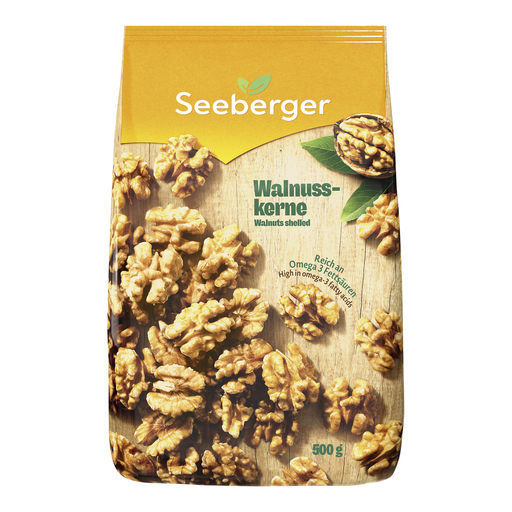 Image unavailable
Seeberger walnut kernels, 500 g
For households planning to enjoy walnut kernels on several afternoons and able to store the opened pack properly.
Contains walnuts. If you have allergies or are packing these for school, check the label on the current pack.
View at Joybuy
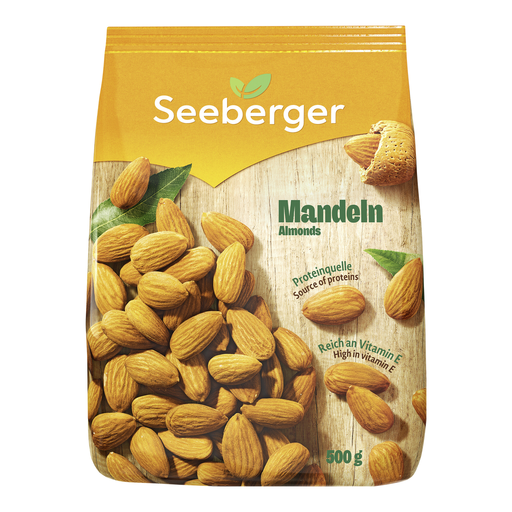 Image unavailable
Seeberger Extra whole natural almonds, 500 g
For stocking up on whole, plain almonds, provided this snack format is suitable for your child’s age.
Contains almonds. If you have allergies, check the current pack label, including any ‘may contain’ warnings.
View at Joybuy
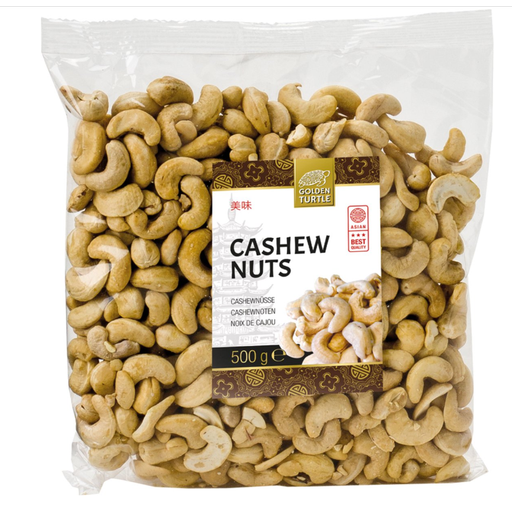 Image unavailable
Golden Turtle cashew kernels, 500 g
For several snack portions of cashew kernels, if you can use up the 500-g pack soon after opening.
The product description says to use within five days of opening. If you have allergies, check the label on the current pack.
View at Joybuy
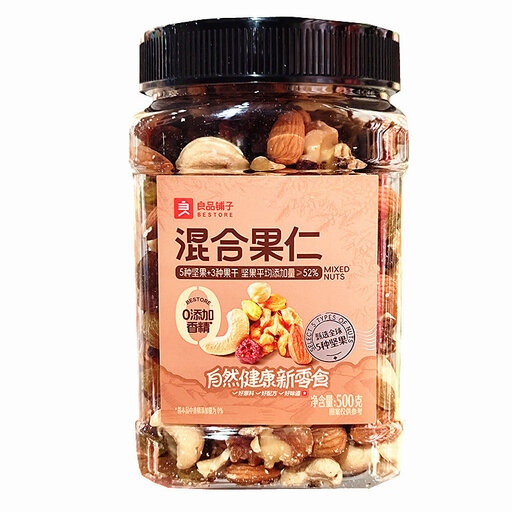 Image unavailable
Bestore mixed nuts, 500 g
For households looking for a mix to make several snack portions rather than choosing just one type of nut.
The product information lists several types of nuts and salt. Check the ingredients, allergens and salt content on the current pack.
View at Joybuy
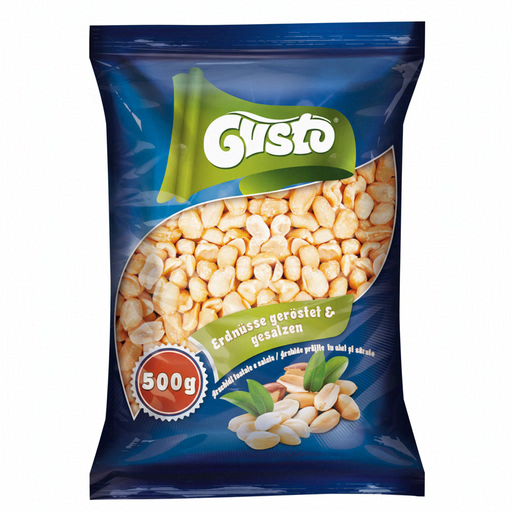 Image unavailable
Gusto roasted and salted peanuts, 500 g
For households specifically looking for roasted, salted peanuts rather than an unsalted option or a nut mix.
Contains peanuts and added salt. If you have allergies, check the label on the current pack and store it properly once opened.
View at Joybuy
Frequently asked questions
How should I store a large bag of nuts once it’s open?
The Verbraucherzentrale recommends storing opened packs of shelled or chopped nuts in a container in the fridge. Before eating them, check for any unusual smell or taste, or visible changes.
Are whole nuts suitable as a snack for young children?
No. Whole nuts are not suitable snacks for young children because of the risk of choking. The Bundesinstitut für Risikobewertung (Federal Institute for Risk Assessment) advises against them; for older children, consider their ability to eat them safely and ensure they are supervised.
What should I check if my child takes nuts to school?
Check the allergens and any ‘may contain’ warnings on the current pack, as well as any rules the school may have. This is particularly important if a child who could eat or come into contact with the snack has a known allergy.
What’s the difference between salted and unsalted nuts?
Salted nuts contain added salt; any other ingredients depend on the specific product. For a regular snack, compare the ingredients list and salt content per 100 g rather than assuming the ingredients based on the type of nut alone.


