
Lieferung heute & morgen

Qualitätsgarantie

Willkommens-Angebote freischalten: KOSTENLOSE Lieferung | Bis zu 80 % RABATT | Kostenlose 30-Tage-JoyPlus-Testphase
App herunterladen
A large ceramic plant pot is more than just a container for your houseplants. It's a key design element that can significantly shape a room's atmosphere. However, choosing the right model can be a challenge: the selection is vast, and the differences in material, shape, and function are often not immediately apparent.
This article serves as your guide. We'll introduce objective criteria to help you decide and present a carefully selected recommendation that stands out for its features. Our goal is to provide you with a solid foundation for making your choice.
Before you decide on a model, a few basic considerations are helpful. The following points summarise the most important aspects that define a high-quality indoor planter.
Although the terms are often used interchangeably, there are subtle differences. Ceramic is the umbrella term for fired clay goods. Stoneware is a specific type of ceramic fired at very high temperatures. This makes the material particularly dense, robust, and non-porous. A stoneware plant pot is therefore often more resistant to scratches and impacts than conventional ceramic. In addition, its smooth, low-porosity surface prevents dirt from settling and makes cleaning easier.
A large ceramic plant pot should be proportional to both the plant and the room. As a rule of thumb, the diameter of the pot should be about 2-4 cm larger than the plant's root ball. This gives the roots enough room to grow without the plant sitting in excessively moist soil, which can promote root rot. Also, consider the visual impact in the room: an overly bulky pot can overwhelm a small room, while a planter for houseplants that is too small can look lost in a large space.
The pot's design should complement your interior style. A modern plant pot is often characterised by clean lines, geometric shapes, and a minimalist colour palette. Models in white, grey, or black blend seamlessly into minimalist concepts. For those who prefer a warmer, more organic atmosphere, a natural-coloured plant pot is a fitting solution. Tones like beige, sand, or terracotta create a connection to nature and harmonise well with wooden furniture and other natural materials, making them an ideal decorative pot for the living room.
Based on the criteria mentioned, we have selected a product that impresses with its material quality, thoughtful design, and versatile application.
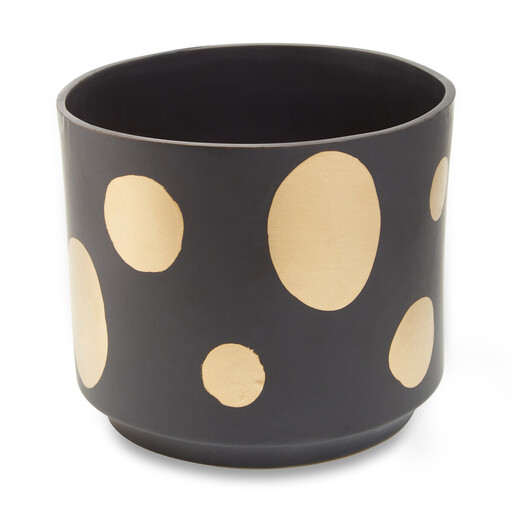
Why This Model Stands Out
This ceramic cachepot from Premier Housewares is crafted from high-quality stoneware, giving it remarkable durability and robustness. Its minimalist and clean design makes it a versatile companion for a wide range of interior styles—from modern to rustic. The natural-coloured, lightly textured surface lends it an understated elegance that highlights the plant's beauty rather than competing with it.
With dimensions of H17 x D18 x W18 cm, the pot offers ample space for medium-sized houseplants, allowing for their healthy growth. Despite its stability, the design is conceived to be easily repositioned.
Advantages
Who It's For
This model is ideal for style-conscious apartment and homeowners looking for a durable, low-maintenance, and visually appealing large ceramic plant pot. It is particularly suitable for those who prefer an understated design that blends harmoniously into the existing living environment and puts the plant itself centre stage.
View Details for the Premier Housewares Ceramic Pot
Choosing a plant pot is also a matter of personal taste. If the featured model doesn't exactly match your vision or if you're looking for other sizes and shapes, there are more alternatives to explore.
In our broader selection, you will find a variety of designs, materials, and colours to suit different plants and living styles.
Explore Our Full Range of Flower and Garden Pots
A cachepot (like the model presented) typically does not have a drainage hole. It serves as a decorative cover for the actual plastic nursery pot, which does have drainage holes. This prevents water from getting onto your floor or furniture. To avoid waterlogging, water the plant moderately and pour out any excess water that collects in the cachepot after a few minutes. Alternatively, you can add a layer of expanded clay pebbles to the bottom of the cachepot to elevate the inner pot and create a drainage zone.
Care is straightforward. A soft, damp cloth is usually sufficient for cleaning the exterior and interior surfaces. For more stubborn dirt, such as limescale rings, a mild, pH-neutral cleaner can be used. Abrasive scouring agents or hard brushes should be avoided as they could scratch the surface.
Suitability for outdoor use depends on whether the ceramic is declared "frost-proof." Standard ceramic and many types of stoneware can crack in freezing temperatures as freezing water expands within the material. The Premier Housewares model featured here is primarily designed for indoor use. For the garden or balcony, you should specifically look for frost-resistant planters.