
Lieferung heute & morgen

Qualitätsgarantie

Willkommens-Angebote freischalten: KOSTENLOSE Lieferung | Bis zu 80 % RABATT | Kostenlose 30-Tage-JoyPlus-Testphase
App herunterladen
A large decorative vase can bring structure and visual focus to an entryway, sideboard or unused corner of the living room. At the same time, product images and vague specifications can quickly lead to disappointing purchases: a vase may appear generously sized online, yet look too small in the room, tip when filled with long branches or clash with the existing décor.
This guide from the Joybuy Product Recommendation Officer explains which dimensions, materials and intended uses matter when choosing a large vase. The featured models are based on the product data provided and suit a range of interior settings.
For vases, “large” may refer to a height of 30 to 40 cm. That can make a striking statement on a sideboard, but it does not automatically qualify as a classic floor vase. When placing a vase on the floor, base area, weight and shape are just as important as height.
Before purchasing, check the following:
A vase for flowers with a narrow neck generally keeps individual long stems neatly arranged. However, the opening may be too small for voluminous bouquets, artificial branches or pampas grass. A wide opening offers greater flexibility, but usually requires a balanced arrangement to prevent the branches from tipping sideways.
Glass, ceramic, dolomite, porcelain and metal differ in weight, surface finish and care requirements. A glass vase makes the water level and stems visible, but can be damaged by impacts. A ceramic vase has a solid, opaque appearance, but is not automatically shatterproof. Claims such as “easy to clean” should therefore be supported by specific care instructions.
For a decorative vase for the living room, the size should complement its surroundings. Models measuring approximately 24 to 35 cm in height are often suitable for tables, consoles or sideboards. A 40 cm vase can serve as a distinctive accent on a low piece of furniture or in an unused corner of the room.
The relationship between height and width is important. A very narrow, tall vase requires a secure, level surface. When using long dried flowers or branches, the base should provide sufficient stability. Follow any manufacturer’s information regarding tip resistance or maximum load. If no such details are provided, avoid overloading the vase with heavy arrangements.
A black vase creates a defined contrast against light-coloured walls and furniture. A white vase generally blends more subtly into Scandinavian, minimalist or bright interiors. A gold vase or black-and-gold gradient has a decorative presence and should be paired with only a few additional accent colours.
Available shapes include cylindrical, bulbous, ribbed and abstract designs. A modern vase with a textured surface can be displayed as a home accessory even without flowers. Depending on the thickness of the stems, dried flowers can work well in both narrow openings and wider vessels.

Why it is suitable: Measuring 40 × 15 × 15 cm, this ceramic model works as a standalone accent or for floral arrangements in living spaces. Its abstract design complements modern interiors.
The precise dimensions prevent “large” from being mistaken for a ceiling-height floor vase. Care instructions specify wiping with a damp cloth and avoiding abrasive cleaners.
Glazed ceramic body; slim cylindrical shape; intended for indoor and outdoor use according to the product description.
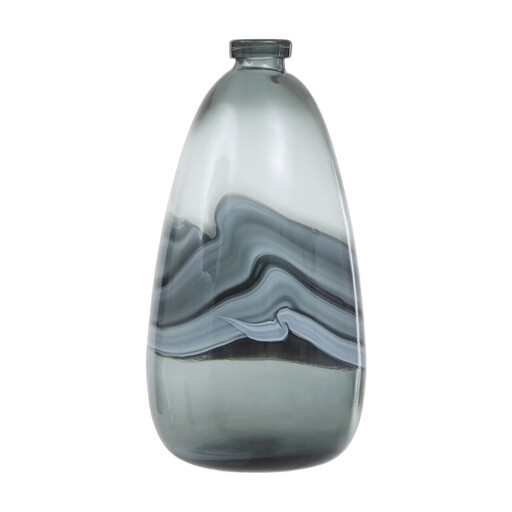
Why it is suitable: This grey glass vase is 40 cm high, with a diameter and width of 20 cm each. Its narrow opening is designed for long-stemmed flowers.
The stated height, width and material show that this model is intended for a stable location and relatively slender arrangements. Clean it with a soft cloth.
100% glass according to the product data; grey ombré finish; 12,000 ml capacity; no dishwasher or freezer suitability specified.
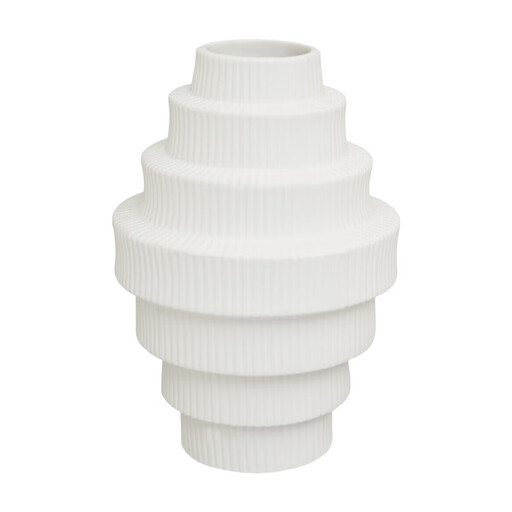
Why it is suitable: Made from 100% dolomite, this white vase measures 26 × 18 × 18 cm and combines a stepped silhouette with a ribbed surface. It can be displayed on a sideboard or console as a decorative statement piece.
Its modest height is clearly stated, preventing unrealistic expectations of a classic floor vase. The textured surface should be cleaned only with a soft, damp cloth.
2,700 ml capacity; white finish; distinctive stepped design; fully assembled according to the product data.

Why it is suitable: This transparent model is 30 cm high and has a diameter of 10 cm. It is designed for fresh or artificial flowers, orchids, roses, tulips and pampas grass.
The cylindrical dimensions are clearly specified. As no maximum load is stated, heavy branches and excessively full arrangements should be avoided.
Crystal-clear, smooth glass; no assembly required; clean with a soft cloth and mild soap; suitable for several types of flowers.
We have put together a current selection of products that can be compared by dimensions, materials and intended use.
For a long service life, place the vase on a level, stable surface. In households with children or pets, a location out of reach is advisable. Glass vases should not be positioned near edges or in passageways. Empty and wipe out water-holding models regularly; clean decorative ceramic and dolomite vases according to the care instructions.
For dried flowers, a clean, dry indoor location is recommended. Depending on the material, direct moisture can affect the surface, colour or stability. With a tall vase filled with heavy branches, a suitable insert or weighted filler may provide additional stability, provided the manufacturer does not advise against it.
For a true floor vase, height and base area must be considered together. Models from around 40 cm high can make a more noticeable impression in open corners or beside low furniture. A vase measuring 24 to 35 cm in height is generally better suited to a sideboard, table, console or shelf.
Opaque ceramic, dolomite or porcelain vases are practical for dried flowers, as no water is required. For long grasses and branches, the opening should not be too narrow. Slim bottle-shaped designs are better suited to a few carefully arranged stems.
A glass vase can be cleaned with water and a soft cloth. Mild cleaning products may be used where permitted by the manufacturer’s instructions. Avoid scouring pads and abrasive cleaners, as they can scratch the surface.