
Lieferung heute & morgen

Qualitätsgarantie

Willkommens-Angebote freischalten: KOSTENLOSE Lieferung | Bis zu 80 % RABATT | Kostenlose 30-Tage-JoyPlus-Testphase
App herunterladen
A large planter is more than just a container for soil and plants. It is a central design element for a patio, garden, or living space. However, choosing the right model can be a challenge, as it must not only be visually appealing but also meet functional requirements. This article provides objective guidance to make your decision easier. We will introduce you to various materials and features and present a selection of models that stand out for their specific characteristics.
Before you make a decision, several fundamental criteria should be considered. These will help you find a product that is durable and meets the needs of your plants.
The material significantly determines the planter's durability, weight, and maintenance requirements.
The intended location is crucial for functionality. A weatherproof flower pot for outdoor use absolutely requires a drainage hole at the bottom. This prevents waterlogging, which can lead to root rot and cause the planter to crack in freezing temperatures. For indoor use, a sealed bottom or a matching saucer is necessary to protect flooring from water. Some outdoor models come with a plug to make them versatile.
Here you will find a curated selection of products that are distinguished by their specific material combinations, designs, and functional details.
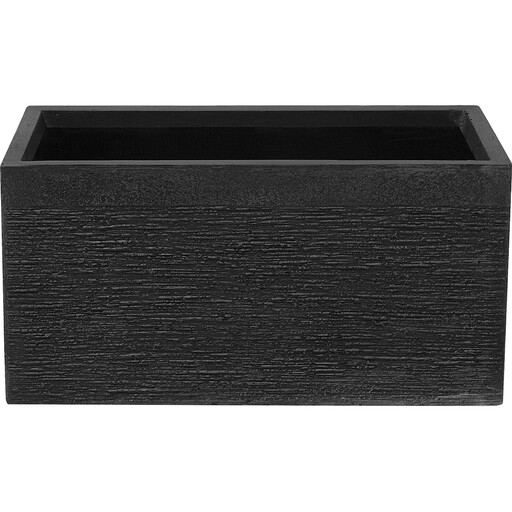
Why it stands out: This rectangular planter combines a modern, linear shape with a highly functional material. The composite of clay, fibres, magnesium chloride, and fibreglass makes it exceptionally robust and suitable for year-round outdoor use.
Advantages:
Who it's for: Individuals looking for a durable and low-maintenance outdoor planter with a modern design. Ideal for creating a structured layout on terraces, balconies, or in entrance areas.

Why it stands out: This stoneware model is a clear design statement. The artisanal terracotta look with gold speckles makes it a decorative focal point for any living area.
Advantages:
Who it's for: Design-conscious users seeking an elegant and unique pot for their houseplants and wanting to add an accent to their living room or hallway.
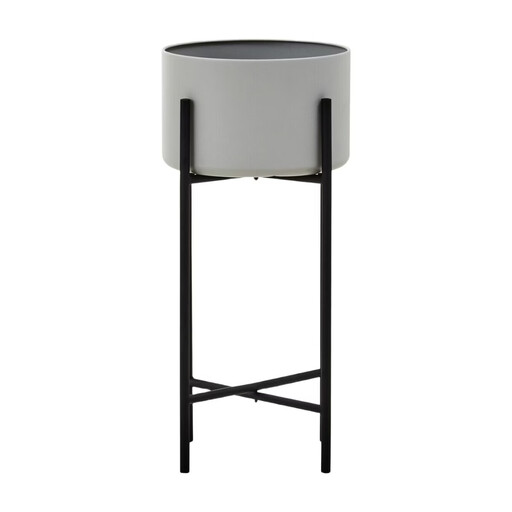
Why it stands out: The Trosa planter impresses with its minimalist design and elevated position on a delicate metal frame. The combination of the grey pot and the black iron frame creates a modern and light feel.
Advantages:
Who it's for: Fans of minimalist and contemporary design who are looking for a stylish stand for their plants (especially artificial ones) indoors.
The selection of planters is vast, and requirements are individual. If you haven't found what you're looking for in this selection or are specifically searching for solutions for artificial plants, you can find an expanded selection here.
Discover more models, including white artificial plant pots, to bring your decorating ideas to life.
1. What does "frost-proof" mean for a planter? A planter declared as frost-proof is made from materials that do not expand and crack due to freezing water at sub-zero temperatures. Materials like fibreglass composites or high-quality plastic often have an advantage here. However, a crucial prerequisite for frost resistance in practice is always a functioning drainage hole, so that excess water can escape and ice cannot form inside the pot.
2. Which material is best for a large outdoor planter? For a large flower pot in an outdoor area, materials that are weatherproof and robust are recommended. Fibreglass-clay composites offer a good balance of stability, moderate weight, and resistance to frost and UV radiation. High-quality plastics or powder-coated metals are also a good choice for a durable outdoor planter.
3. Does every large planter need a drainage hole? For outdoor use, a drainage hole is essential to prevent waterlogging from rainwater. For indoor planters, it's a matter of handling. A pot with a hole needs a saucer or a cachepot. A sealed pot requires very careful watering to avoid root rot. A drainage layer of expanded clay pellets at the bottom of the pot can help with this.