
Lieferung heute & morgen

Qualitätsgarantie

Willkommens-Angebote freischalten: KOSTENLOSE Lieferung | Bis zu 80 % RABATT | Kostenlose 30-Tage-JoyPlus-Testphase
App herunterladen
Large planters make a striking feature of plants in the living room, on the balcony or on the patio. However, larger dimensions do not automatically mean a suitable solution. A container may look decorative but offer too little interior space for the intended plant, allow water to collect after rain or tip over easily because of its height.
If you want to buy large planters, you should therefore compare more than just colour and shape. The key factors are internal dimensions, material, drainage options, weight and the specific location. The following criteria will help you avoid common purchasing mistakes.
A tall or wide pot can look generously sized in product images. With a freestanding planter, however, a stand or thick rim may take up some of the available space. Check whether the stated measurements describe the external dimensions or the interior space that can actually be used.
For houseplants, a suitable nursery pot inside a decorative cover pot is often sufficient. Larger plants with vigorous root growth, on the other hand, require enough diameter and depth. A pot that is too small may mean you have to repot the plant frequently.
Indoor and outdoor planters need to be treated differently depending on the material. Ceramic and stoneware can be damaged by freezing water in frosty conditions. Even a weather-resistant planter should be placed on a level surface and protected during extreme winter weather.
Look for specific information such as UV resistance, water resistance, operating temperature range and care instructions. If this information is missing, the planter should not be left outdoors permanently without further checks.
A planter with a drainage hole reduces the risk of excess watering remaining inside the container. This is particularly important for plants that are sensitive to constantly wet soil. However, a drainage hole requires a suitable base so that water can drain away in a controlled manner without damaging floors or furniture.
With cover pots without an opening, using a separate inner pot may be a sensible option. A drainage layer alone cannot replace a drainage hole if excess water cannot escape from the container.
Before buying, measure the available floor space, including doors, walkways and nearby furniture. For narrow patios or as a room divider, a rectangular planter may save more space than a round model. A tall pot should also have a sufficiently wide base.
For artificial plants, a decorative planter is often enough, as no root space is needed. With real plants, however, diameter, depth and the volume of growing medium are important. A houseplant pot should also be suitable for the weight of the plant and the size of its root ball.
Large planters become considerably heavier once filled with soil and water. You should therefore check the load-bearing capacity of your balcony, shelving or chosen surface. A wide base is important for tall freestanding containers. Models on legs should be securely assembled; some products require installation.
Although a heavy planter is less likely to move, it can make transport and moving it to a new location more difficult. With a lightweight pot, gravel, a suitable inner pot or a shorter plant can improve stability, provided this is permitted by the manufacturer.
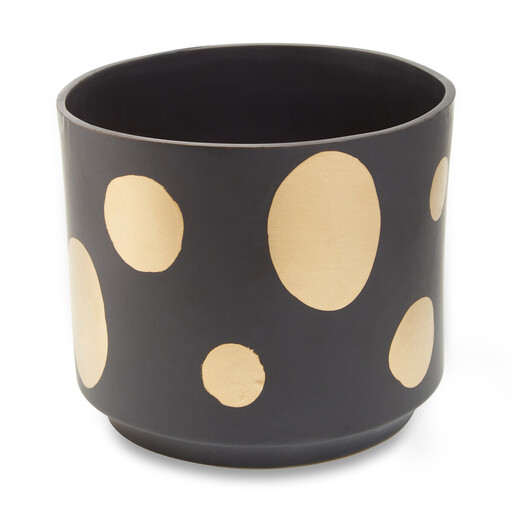
Why this product suits this profile: With its simple ceramic design and stated dimensions of H17 × D18 × W18 cm, this planter can be used as a decorative pot for small to medium-sized plants in the home.
The clear product measurements make it easier to compare the required floor space with the available room before buying. According to the care instructions, the surface should be cleaned with a damp cloth.
Stoneware as the stated material, delivered assembled and featuring a simple design to suit a range of interior styles.
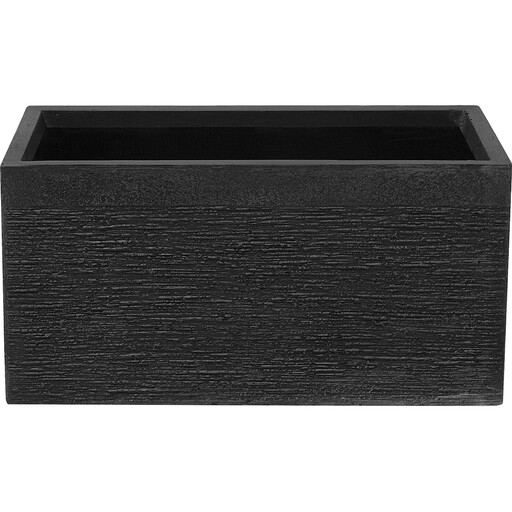
Why this product suits this profile: Its rectangular shape and stated 42-litre capacity make it suitable for long spaces, room dividers or a planted boundary on the patio.
Two drainage openings are specified. The manufacturer also states that the planter is UV-, water- and wind-resistant and suitable for temperatures from −20 °C to 40 °C.
A fibre and clay mixture with fibreglass, 42-litre capacity and suitable for both indoor and outdoor use.
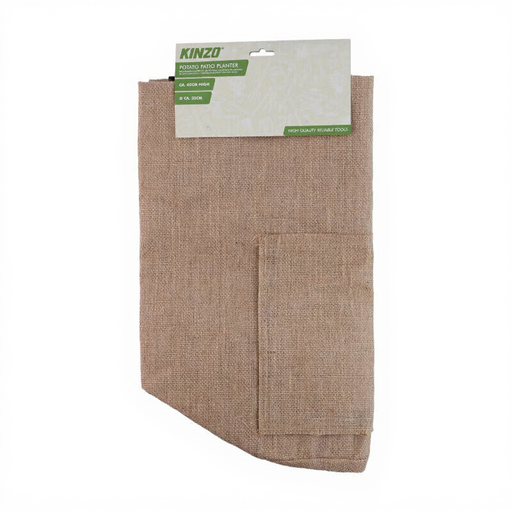
Why this product suits this profile: This potato planter is designed for growing potatoes on balconies, patios or in courtyards. It measures 35 cm in diameter and 45 cm in height.
The low unfilled weight of 330 g makes it easy to move. The product description lists drainage and ventilation as design features for its intended planting use.
Lightweight PE material, compact dimensions and a design intended for growing potatoes in small outdoor areas.
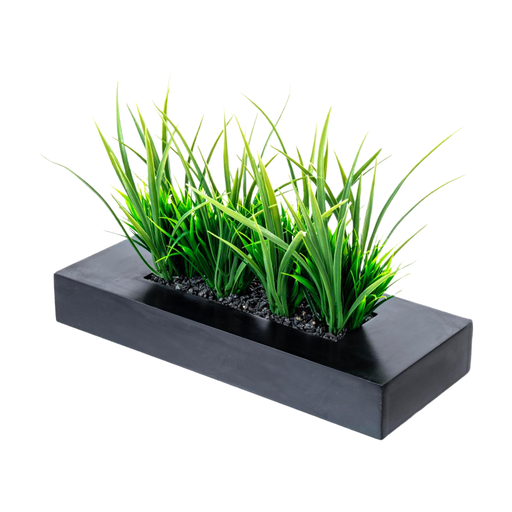
Why this product suits this profile: The combination of four artificial grass stems, black decorative stones and a rectangular wooden planter is ideal for offices, hallways and rooms with little natural light.
As the greenery is artificial, there is no need for watering or repotting. According to the product information, the supplied foot pads protect delicate surfaces.
Dimensions of 35 × 23 × 14 cm, low-maintenance artificial plants and a wooden container with a matt black finish.
We have put together a complete, regularly updated list of products that fully meet these strict selection criteria and the safety regulations applicable in the EU.
Place the planter on a level, load-bearing surface. For containers with drainage holes, a raised base is recommended so that water can drain away. On a balcony or patio, the planter should not be positioned where rainwater collects.
With ceramic planters, avoid hard knocks and sudden changes in temperature. Outdoors, sensitive models can be moved to a sheltered area during winter. A decorative planter for artificial plants should be protected from moisture, particularly if it contains wood or delicate decorative stones.
The internal diameter should suit the root ball and leave a little room for further growth. The usable interior space matters more than the height of the container alone. With a cover pot, the nursery pot should sit securely and fit the container.
For real plants, controlled drainage is often advisable. However, a drainage hole alone will not prevent waterlogging if the planter is placed on a water-impermeable surface or the hole becomes blocked. A drainage hole is normally not required for artificial plants.
Its lifespan depends on the material, UV exposure, frost, moisture, location and load. Manufacturer information such as UV resistance or a stated temperature range provides useful guidance, but does not replace the recommended care and winter instructions. Regularly checking for cracks, rust or deformation helps you identify damage at an early stage.