What to look for when buying
Start by checking the energy in the portion you plan to eat. Then consider sugar, ingredients and, if relevant, protein to find a bar that meets your other requirements.
| Criteria |
What to check |
Who it matters to |
| Energy per bar |
Compare kcal per bar and the bar’s weight; figures per 100 g are useful when comparing similar bars. |
If I want to eat exactly one bar in the evening, I want to be able to account for its energy as a portion. Around 36% of shoppers put this portion comparison first. |
| Sugar and sweeteners |
Check the ‘of which sugars’ figure, the ingredients list and, if relevant, information about sugar substitutes. |
I want a sweet snack that fits my preferences for sugar and ingredients, even if it’s labelled ‘no added sugar’. Around 29% of shoppers focus on this above all else. |
| Protein and nutritional profile |
Compare the protein per bar with its energy, sugar and saturated fat content. |
If I choose a bar for its protein, I want to know what else the whole portion contains. This is the main consideration for around 21% of shoppers. |
| Allergens and ingredients |
For the specific variety, check the ingredients, highlighted allergens and any ‘may contain’ warnings on the current pack. |
If I need to avoid an ingredient, the labelling determines whether I’ll consider the bar at all. This check comes first for around 14% of shoppers. |
Snack bars at Joybuy
This selection features individually portioned protein and wafer bars for a late-night snack. The pack size can help you narrow down your options; for a calorie comparison, check the energy per bar on the current pack.
 No image available
Barebells Protein Bar Cookies & Cream, 12 × 55 g
For comparing a single snack portion, this pack contains twelve bars, each weighing 55 g. Check the energy per bar, as well as the ingredients and allergens on the current pack.
View at Joybuy
 No image available
Corny Protein Crunchy Vanilla & White Choc, 12 × 45 g
If you’re comparing bars by weight and sugar content, this pack contains twelve bars, each weighing 45 g. The product name says ‘no added sugar’; also check the energy, nutrition information and ingredients for the specific variety.
View at Joybuy
 No image available
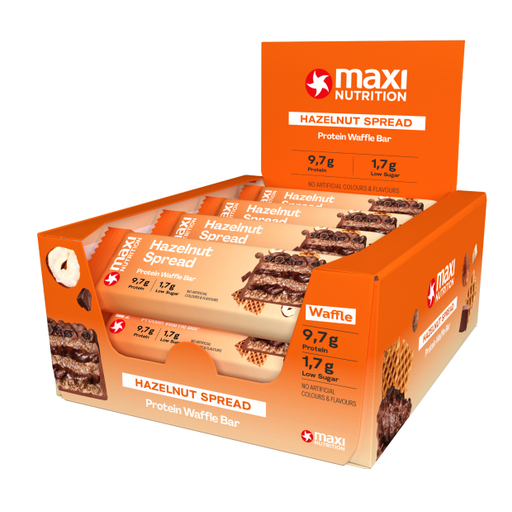
Maxi Nutrition Muesli Nut Butter Protein Wafer, 12 × 39 g
If you’re considering a wafer bar as an individual snack portion, this pack contains twelve bars, each weighing 39 g. The product name lists 202 kcal; check the portion size, nutrition information and ingredients against the current pack.
View at Joybuy
Frequently asked questions
Are calories per 100 g enough to compare bars?
No. For a late-night snack, the size of the portion you eat matters too. For similar bars, compare the figure per 100 g with the energy per bar; if the per-bar figure isn’t provided, you’ll also need the bar’s weight.
Does a bar with no added sugar automatically have fewer calories?
No. ‘No added sugar’ doesn’t tell you the energy per bar. Compare the nutrition information and read the ingredients list if sweeteners also matter to you.
Which details on a pack of snack bars are particularly useful?
For this buying decision, the portion weight, energy, sugar and ingredients are particularly useful. The European Commission lists energy, fat, saturates, carbohydrates, sugars, protein and salt among the details required in the nutrition declaration for prepacked foods. If needed, also check the allergen labelling for the specific variety.
Do I need to check every protein bar for sweeteners?
Yes, if the ingredients or product-specific warnings matter to your choice. The German Federal Institute for Risk Assessment explains that sweeteners generally have to be listed in the ingredients; also check the information on each pack, such as warnings about excessive consumption.
Is the nutrition information online always the same as on the pack in store?
Not necessarily. ALDI SÜD notes that the information for one bar may vary between suppliers, while EDEKA warns that online details may differ from the packaging. So check the nutrition information on the specific pack before buying.


