
Lieferung heute & morgen

Qualitätsgarantie

Willkommens-Angebote freischalten: KOSTENLOSE Lieferung | Bis zu 80 % RABATT | Kostenlose 30-Tage-JoyPlus-Testphase
App herunterladen
By Joybuy Product Recommendation Officer, 14 July 2026
Modern washing machines and detergents are designed to save energy, making 30°C or 40°C cycles the new standard. While this is gentle on the environment and your fabrics, it has a downside: laundry can sometimes smell musty or unpleasant after washing. This is caused by bacteria and germs that are not completely eliminated at low temperatures and are responsible for odours.
Hygienic cleanliness is especially important for sportswear, baby clothes, or in households with sick individuals. A laundry sanitiser can offer a solution here, freeing laundry from odour-causing bacteria even in cold washes. This article introduces various approaches and products to help you find the right solution for your needs—from classic disinfectant rinses to innovative alternatives.
The right product choice depends on your individual requirements for hygiene, fragrance, and ingredients. Here are a few points to consider in your decision.
Products for hygienic laundry take different approaches. Classic laundry sanitisers often contain biocidal agents like quaternary ammonium compounds to reduce a broad spectrum of germs. A laundry sanitiser alternative might be based on physical principles, such as silver ions, which provide antibacterial washing and thus inhibit the growth of odour-causing bacteria. Other products, like a highly-fragranced fabric conditioner, focus on masking odours with long-lasting perfume oils and adding softness to the laundry.
Consider what you primarily need the product for. Do you often struggle with the stubborn odour of sportswear? Then a product that specifically neutralises odour-causing bacteria could be beneficial. For baby clothes or people with sensitive skin, there are special "Sensitive" formulas without fragrances and dyes. If your main goal is a fresh scent and soft laundry, a fabric softener with long-lasting fragrance technology might be the more suitable choice.
Laundry hygiene products come in various forms. Liquid rinses are simply added to the fabric softener compartment of the washing machine. A newer alternative is reusable cloths that go directly into the washing drum. Pay attention to the efficiency information (number of wash loads per bottle or cloth) to assess the long-term cost-effectiveness.
Here is a selection of different products, each taking a unique approach to solving the problem of odorous or unhygienic laundry.
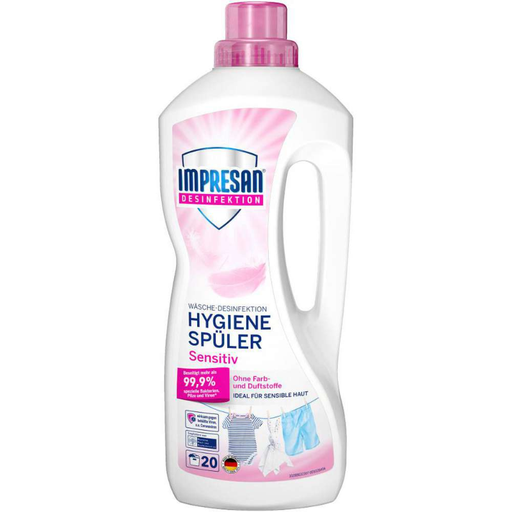
What makes it stand out The Impresan Hygiene Rinse follows the classic approach of laundry disinfection. According to the manufacturer, the liquid contains disinfecting agents (1.44 g of Didecyldimethylammonium chloride and other alkyl-dimethylbenzylammonium chlorides per 100 g of concentrate) that aim to remove bacteria, fungi, and specific viruses. The "Sensitive" formula is designed without colours or fragrances.
Benefits
Who is it for? This product is suitable for households with high hygiene requirements, such as during contagious illnesses, for families with infants, or when caring for immunocompromised individuals. It is also an option for people who prefer a fragrance-free disinfection solution.
View Product: Impresan Sensitive Hygiene Rinse
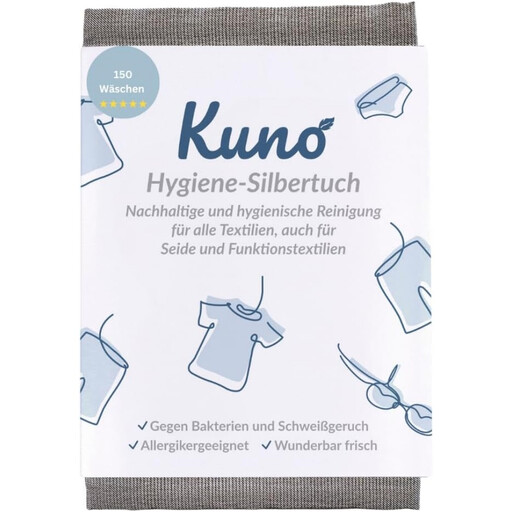
What makes it stand out The Kuno Silver Cloth is a laundry sanitiser alternative that works without liquid chemicals. It consists of viscose and a fine mesh of silver threads. The principle is based on the release of silver ions during the wash cycle, which inhibit the growth of odour-causing bacteria. The cloth is simply placed in the drum with the laundry and, according to the manufacturer, can be reused for up to 150 wash cycles.
Benefits
Who is it for? The silver cloth is a great choice for environmentally conscious consumers who want to reduce waste and avoid biocidal agents. It is ideal for athletes and anyone looking for a permanent solution to sweat odour in textiles.
View Product: Kuno Laundry Sanitiser Silver Cloth
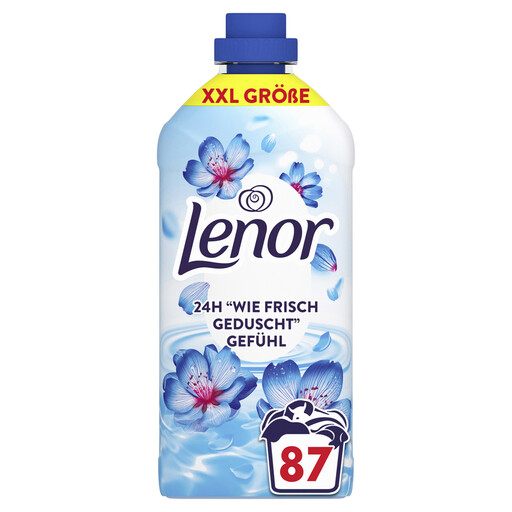
What makes it stand out The Lenor April Fresh fabric softener focuses not on disinfection, but on combating odours through fragrance technology and caring for laundry fibres. According to the manufacturer, the touch-activated freshness technology ensures that fragrance is released with every movement. This is designed to mask unpleasant odours during wear and provide a long-lasting feeling of freshness.
Benefits
Who is it for? This fabric softener is ideal for anyone whose main concern is not germ reduction, but an intense, fresh scent and noticeably softer laundry. If you simply want your laundry after washing to smell fresh and feel pleasant, this product is a suitable choice.
View Product: Lenor Fabric Softener April Fresh
The products presented cover a range of different needs. However, if you are looking for a different scent, a special formula for wool or silk, or other types of laundry conditioner, there is a wide array of other products to discover.
Discover Our Full Range of Fabric Softeners and Conditioners
1. Why does my laundry smell musty after washing? A musty smell is often caused by bacteria and fungal spores that survive low-temperature wash cycles (below 60°C). They can multiply in the damp environment of the laundry and the washing machine, causing unpleasant odours. Regularly cleaning your washing machine and using a suitable hygiene product can help.
2. Is a laundry sanitiser the same as a fabric softener? No. A laundry sanitiser's primary function is to reduce germs like bacteria and fungi in the laundry. A fabric softener mainly serves to smooth the laundry fibres, making textiles softer and giving them a pleasant scent. While some products may partially combine both functions, their main purposes are different.
3. Can you sanitise laundry without a chemical hygiene rinse? Yes. The most traditional method is washing at high temperatures (at least 60°C), which is sufficient for many germs. However, this is not suitable for all textiles. For cold washes, there are alternatives like products based on silver ions (e.g., the Kuno Silver Cloth), which have an antimicrobial effect without the use of liquid biocides.