What should you look for when buying?
Wired to a smartphone
Suitable if: You want to record directly to a mobile device from one place and use its microphone input.
Bear in mind: The cable limits your movement, and TRRS and TRS models aren’t directly interchangeable. RØDE and Shure specify the connection requirements for their respective models.
Wired to a recorder
Suitable if: Your recorder has a suitable microphone input with the required power supply.
Bear in mind: RØDE specifies TRS and Plug-in Power for the Lavalier GO; the Audio-Technica ATR3350xiS has a dual-mono output and requires an LR44 battery.
Wireless clip-on microphone
Suitable if: You want to move around while speaking, or a cable to your recording device would get in the way.
Bear in mind: The transmitter and receiver need to be charged and connected. DJI offers sets with different numbers of transmitters, so check the exact version and receiver connection.
When recording museum commentary at home, the key things to consider are vocal clarity, device connections, freedom of movement and power supply.
| What you need |
What to check before buying |
Who is it especially relevant to? |
| Clear vocals |
Clip and, if needed, a pop shield; position the capsule so it won’t rub against your clothes. |
When recording longer texts, I want a clear vocal sound without fabric rustle or room noise going unnoticed; around 36% of consumers put speech clarity first. |
| The right connection |
Device model, microphone input, TRS or TRRS wiring and required power supply; adapters must provide a microphone input. |
I want to record directly using my existing smartphone, computer or recorder, rather than trying to make an incompatible plug work; around 29% of consumers prioritise compatibility with their recording device. |
| Freedom of movement |
For wireless models: number of transmitters, whether a receiver is included and how it connects to your recording device. |
If I want to stand or move around while recording, I don’t want a microphone cable running to my device and getting in the way; around 21% of consumers prioritise freedom of movement. |
| Longer recording sessions |
Power source for the specific model, charge level or spare battery, and a short test recording. |
For a longer commentary recording, I want to avoid interruptions and know before I start whether the battery or charge will last; around 14% of consumers pay particular attention to uninterrupted operation. |
Joybuy products for voice recording
This selection includes wired lavalier microphones and wireless clip-on systems for voice recording. Before buying, check the connection and set version for your recording device.
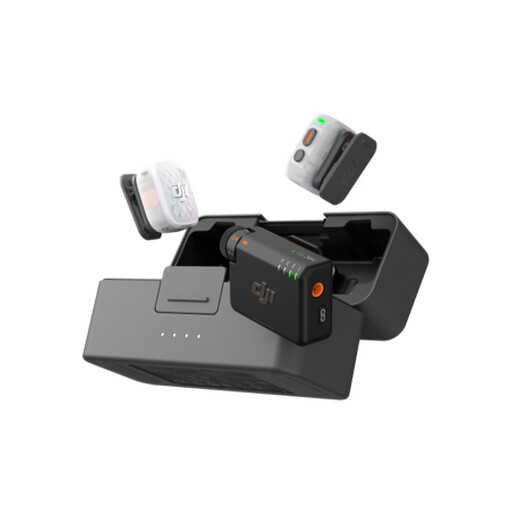 Image unavailable
DJI Mic Mini 2S (2 TX + 1 RX + Charging Case)
For wireless voice recordings when you want to move around while speaking.
The listed set version includes two transmitters, one receiver and a charging case. Check that the receiver connection is compatible with your recording device.
View at Joybuy
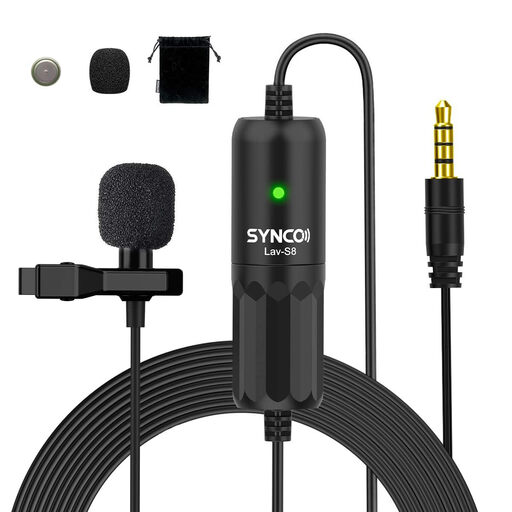 Image unavailable
SYNCO S8 lavalier microphone for smartphones, PCs, laptops and cameras
For seated voice recordings with a wired lavalier mic.
The product information lists a 3.5 mm connection, a clothing clip and an adapter set. Check that the connection works with your device’s microphone input.
View at Joybuy
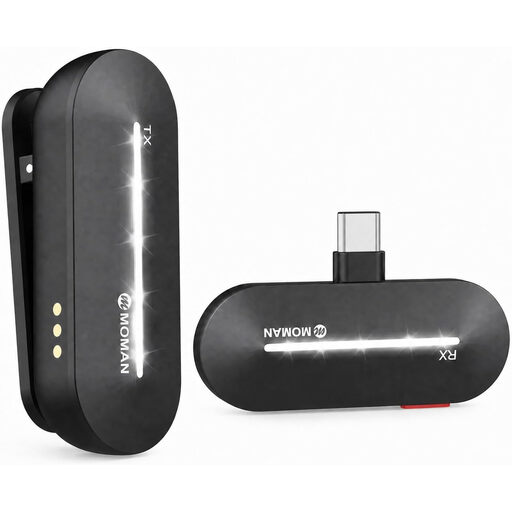 Image unavailable
Moman M1CT Wireless Lavalier Microphone, USB-C, 1TX+1RX
For wireless voice recordings with one transmitter on a compatible USB-C device.
The set description lists one transmitter and one receiver. Check that your device supports the receiver as an external microphone input.
View at Joybuy
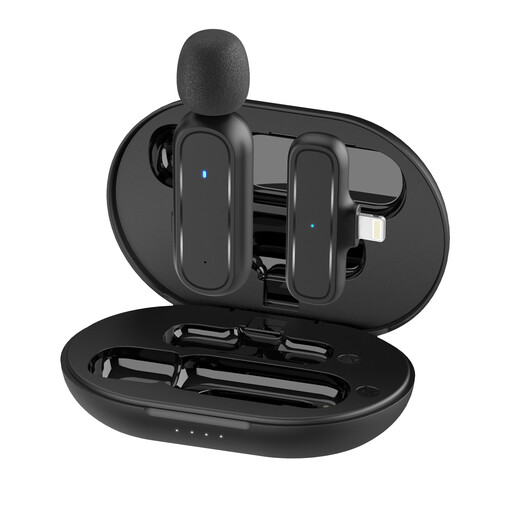 Image unavailable
Moman MC1(A) Wireless Lavalier Microphone, Lightning, 1TX+1RX
For wireless voice recordings with a compatible iPhone or iPad that has a Lightning connection.
The set description lists one transmitter and one receiver. Check that your device recognises the receiver as an external microphone input.
View at Joybuy
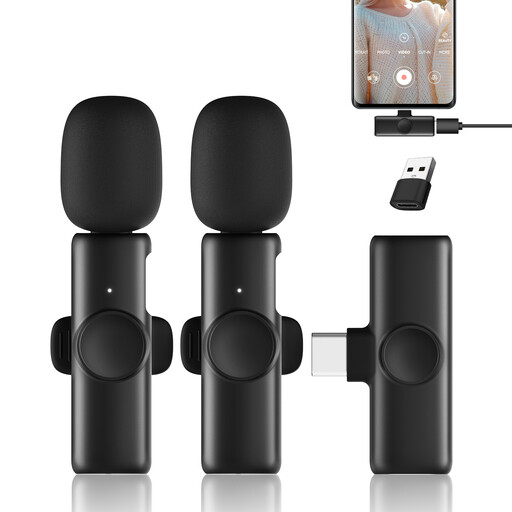 Image unavailable
Moman MS1X(C) Wireless Lavalier Microphone, USB-C, 2TX+1RX
For wireless voice recordings with two transmitters on a compatible USB-C device.
The set description lists two transmitters and one receiver. Check beforehand that your recording device supports the receiver as an external microphone input.
View at Joybuy
Frequently asked questions
Will a lavalier mic with a 3.5 mm plug automatically work with a smartphone?
No. The wiring and microphone input are what matter. The RØDE smartLav+ has a TRRS connection, while the Lavalier GO has TRS; for a suitable smartphone TRRS input, RØDE recommends a TRS-to-TRRS adapter for the Lavalier GO. If your device doesn’t have a 3.5 mm socket, also check that a suitable USB-C or Lightning solution provides an external microphone input.
Where should I clip a lavalier mic when recording spoken commentary?
As a starting point, RØDE recommends clipping it to your chest, around a handspan or 20–30 cm from your mouth. Keep the capsule clear of clothing that could rub against it, secure the cable if needed, and check the position and volume with a test recording.
How should I plan for power and longer recording sessions?
Check the power source for your chosen model: the Audio-Technica ATR3350xiS requires an LR44 battery, the RØDE Lavalier GO needs a suitable input with Plug-in Power, and a wireless DJI Mic Mini set needs charged transmitters and receiver. Run a short test before making a longer recording.
Can I use any wireless microphone in Germany on any frequency it’s sold with?
No. The frequency range and technical conditions must be compatible with the device and the relevant German frequency allocation. In April 2026, the Federal Network Agency published the general allocation Vfg. 37/2026 for the wireless microphone bands specified in it. Check the frequency range of the specific set against the regulations in force at the time.
Can I publish a museum text I’ve recorded?
That depends on whether you’re using your own or someone else’s protected content. The German Patent and Trade Mark Office explains that texts and speeches, for example, may be protected by copyright. Whether a particular exhibition text, music or other material can be published depends on its content and usage rights; buying a microphone doesn’t give you permission to publish it.


