Buying criteria and priorities
First check whether you can capture an intelligible voice with the fan running. Then confirm the connection is suitable, and consider whether freedom of movement or local file storage is important.
| Priority |
What to look for when buying |
Who it matters most to |
| Capture an intelligible voice despite fan noise |
Check the microphone placement and fastening; listen to a test recording at the interview location with the fan running. |
If the speaker’s voice needs to stand out, proximity and suitable placement matter. Around 31% of consumers put speech intelligibility first. |
| Connection to the recording device |
Check the connector type against the microphone input on your specific device; confirm any power requirements and adapters needed. |
If you want to keep using a device you already own, you need a compatible connection, not just a plug of the same size. Around 25% of consumers prioritise device compatibility. |
| Freedom of movement and number of voices |
Check the number of transmitters and the receiver included in the specific set; if recording two people, make sure you can mic up each of them. |
If the speaker will be moving or you need to capture two voices close to the microphones, a wireless set may suit your set-up. Around 19% of consumers prioritise movement or recording two voices. |
| Recording and file backup |
Plan for starting the recording, power, a memory card, and checking and backing up the file. |
If you’re recording memories that may not be possible to recreate, make sure you keep track of the recording and files. Around 25% of consumers prioritise local recording and file backup. |
Joybuy products for lavalier interviews
These Joybuy products include wired lavalier microphones and wireless sets for interviews with one or more people wearing microphones.
 No image available
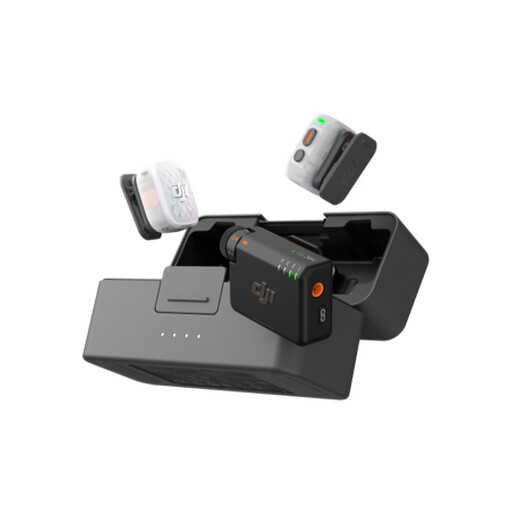
DJI Mic Mini 2S (2 TX + 1 RX + Charging Case)
For interviews where two people each need a microphone: the product title lists two transmitters and one receiver.
View at Joybuy
 No image available
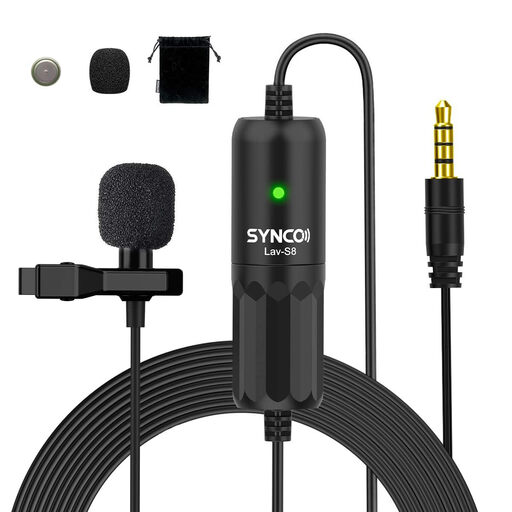
SYNCO S8 Lavalier Microphone for Smartphone, PC, Laptop and Camera
An option for a wired interview set-up. The product title lists a smartphone, PC, laptop and camera; before buying, check the specific microphone input and compatibility with your recording set-up.
View at Joybuy
 No image available
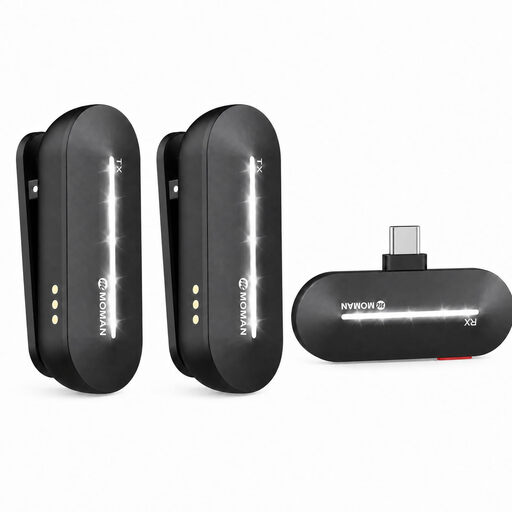
Moman M1CXT Wireless Lavalier Microphone, USB-C, 2TX+1RX, 150m Range
For interviews with two people wearing microphones, the product title lists two transmitters, one receiver and USB-C. It also states a range of 150m; check that the receiver is compatible with your recording device.
View at Joybuy
 No image available
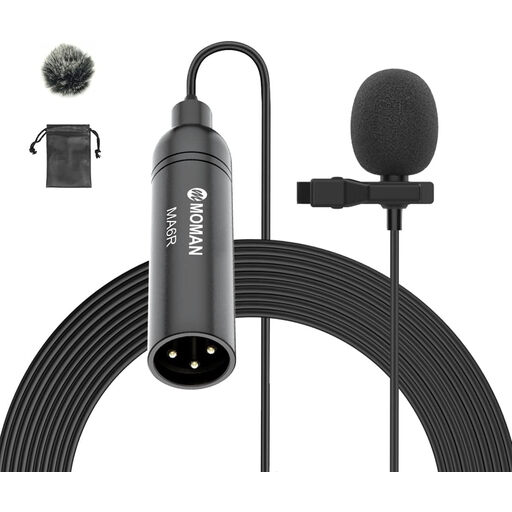
Moman MA6 Lavalier Microphone, 6m, 3.5mm
A wired option for interviews. The product title lists 3.5mm and 6m; before buying, check the connection and compatibility with your recording device.
View at Joybuy
 No image available
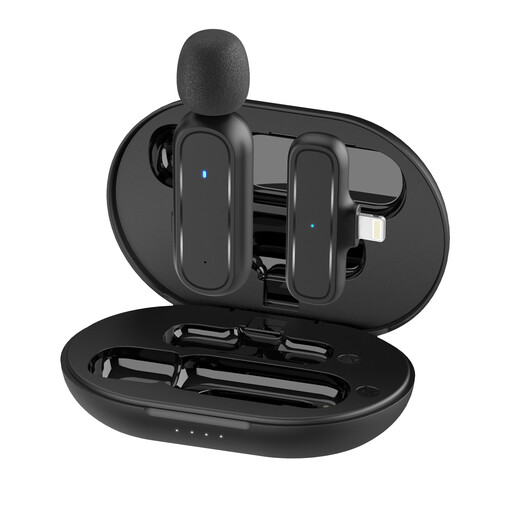
Moman MC1(A) Wireless Lavalier Microphone for iPhone and iPad, Lightning, 1TX+1RX
For an interview with one person wearing a microphone, the product title lists one transmitter, one receiver and a Lightning connection. Check that the connection is suitable for your specific recording device.
View at Joybuy
Frequently asked questions about lavalier microphones and fan noise
Does an omnidirectional pattern automatically help with fan noise?
No. An omnidirectional capsule picks up sound from several directions, so proximity to the speaker, suitable placement and a test recording with the fan running are what matter. Shure describes the directional WL184 and WL185 variants as offering greater rejection of ambient noise; you’ll need a compatible bodypack transmitter and the right microphone orientation.
How should I attach and check the microphone before the interview?
Attach it so that clothing does not cover the capsule, then listen to a short test recording with normal speaking movements and the fan switched on. For the Shure MVL, the manual recommends placing the microphone 15–25 cm from the mouth; this recommendation is for that model and is not a general rule for all lavalier microphones.
What extra items should I plan for when recording?
Check what’s included and how your recording set-up works: the Zoom F2 requires batteries and a suitable microSD card; a wireless set may need device-specific connections or adapters. What else you need depends on the device you already own and the specific set version.
Can I simply record a private conversation with a railway worker?
Not without permission: Section 201(1) of the German Criminal Code (StGB) covers the unauthorised recording of another person’s private speech, as well as certain uses of such a recording. Check that you have permission before you begin, and treat any later sharing or publication separately from the purpose of making the recording. The German Data Protection Conference notes that consent used as a legal basis must be informed, relate to the specific case and be freely given; whether consent is freely given may require particular scrutiny in an employment context.
Can I use any wireless lavalier microphone in Germany without checking first?
No. The Federal Network Agency publishes general frequency allocations, each with its own specified frequencies and conditions of use. The allocation for 174–230 MHz, published in December 2025, is valid until 31 December 2035. Whether a specific wireless microphone falls under this or another valid allocation depends on its actual frequency and technical design.


