Solo readers at a shared desk
If you’re reading alone, a microphone positioned close to you and a test recording will help you assess how sounds from a keyboard, paper or conversations at the next desk come through.


For a solo poetry reading from a fixed spot, a wired lavalier is an obvious choice, provided its microphone input, connector wiring and power requirements are compatible with your recording device. If two people are reading, each voice needs a suitable microphone or its own transmitter. Wireless gives you more freedom to move, but brings questions about the receiver, charging and connections. Positioning the microphone well and making a test recording at the desk you’ll actually use are still important: the microphone type alone won’t block out noise from the person sitting next to you.
If you’re reading alone, a microphone positioned close to you and a test recording will help you assess how sounds from a keyboard, paper or conversations at the next desk come through.
If you use a smartphone, camera or computer at different times, check what type of microphone input and connection each device needs before choosing a microphone.
If there are two of you reading, check that both voices can be picked up from close range and that the set offers the channel mode you need.
First, check your recording setup and how many voices you need to capture. Then decide whether you can use a cable at your fixed spot or need the freedom to move around.
| Priority | What to check when buying | Who will find this important? |
|---|---|---|
| Clear recording of one voice | How the microphone attaches and how the cable is routed; listen to a test recording with typical noise from the next desk. | If I’m reading alone, I want to record my voice from close range and hear how keyboard sounds, paper or conversations come through. Around 40% of consumers put capturing one clear voice above all else, even when there’s background noise. |
| The right device connection | Check the device model and microphone input; only plan to use TRS, a CTIA adapter or a wireless receiver if compatibility has been confirmed. | If I switch between a smartphone, camera and computer, I want to avoid a situation where the plug fits but the device doesn’t have a suitable microphone input. Around 30% of consumers say connection and device compatibility are their top priority. |
| Two voices | Check the number of transmitters and receivers, as well as the mono, stereo or separate-track options for the exact set. | If we’re reading together, I want to record both voices from close range and know in advance how the channels will be output. Around 20% of consumers prioritise recording two voices clearly from close range. |
| Freedom to move | Check the receiver connection and charge level; test the wireless system where you plan to record. | If I need to move while reading or don’t want a cable running across the desk, a wireless system could work for me. The connection should be tested in the actual recording spot. Around 10% of consumers say wireless freedom to move is their top priority. |
A plug of the right size doesn’t, by itself, tell you whether your recording device can accept the microphone signal or provide the power it needs. The RØDE Lavalier GO and Shure MVL have different connection requirements.
Before buying, check the device model, microphone input, connector wiring and power requirements against the details for the specific microphone.
Depending on your device, you may need a suitable adapter or a different microphone or recording device.
The number of transmitters and the available output modes are different things. A dual set may offer several channel options, but that doesn’t mean every configuration will automatically provide separate tracks.
Check the channel mode for the exact model and make sure it suits your recording or subsequent editing.
If the output doesn’t suit the way you want to edit, recording or post-production may take extra work.
DJI’s stated range for the Mic Mini applies in an open environment free from interference. A particular microphone pick-up pattern doesn’t guarantee that noise from the next desk will be blocked out either, and clothing can rub against a lavalier microphone.
Record a short reading with pauses at the desk you plan to use, then listen back before settling on your setup.
The wired Lavalier GO could suit a fixed, solo setup if you have a suitable 3.5 mm TRS microphone input.
The MOTIV MVL is a wired lavalier option for recording speech close to the speaker on compatible mobile devices.
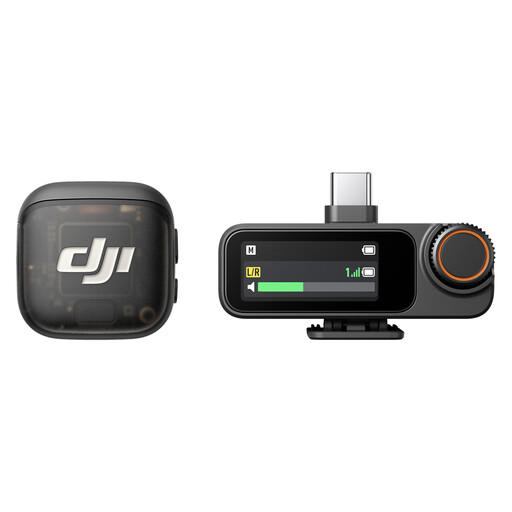
Mic Mini bundles vary in what’s included, with options for recording one or two people.
The G2 (A2) is a wireless dual system for recording two voices from close range.
This selection includes wired and wireless lavalier options for solo voices, as well as sets with two transmitters. The key things to check are your specific device input, the connection type and the channel mode you need.
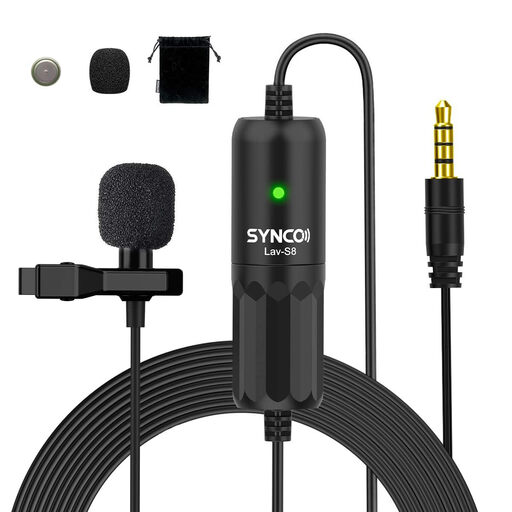 No image available
For one voice at a fixed recording spot, provided your recording device has a suitable microphone input.
The product description lists a 3.5 mm connection, clip and windscreen. Check that the input works with your specific device.
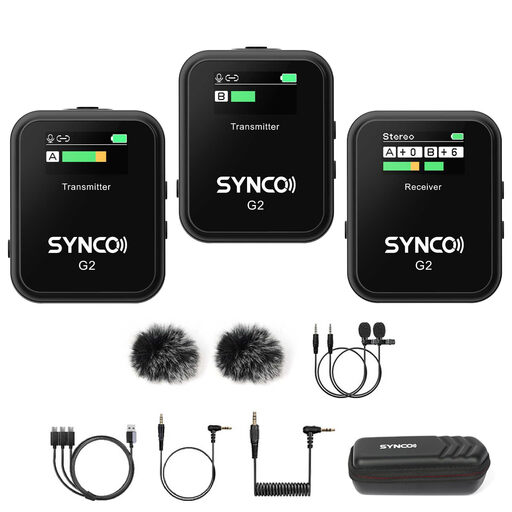 No image available
For reading together when you want to record each person using their own transmitter.
The product description lists two transmitters, one receiver, and mono, stereo and safety modes. It also mentions a headphone socket on the receiver.
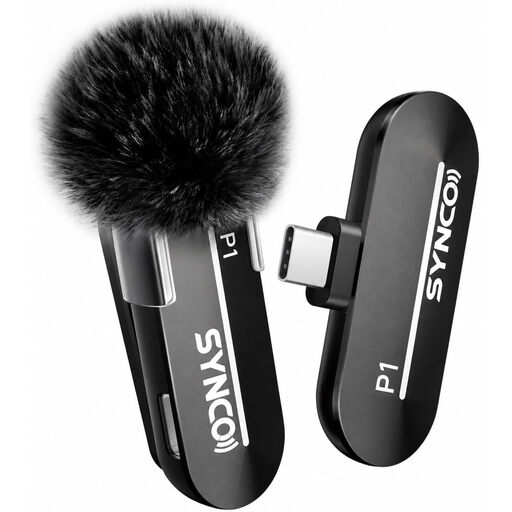 No image available
For one voice without a cable between the transmitter and recording device, provided its connection is compatible with the USB-C receiver version.
The product description lists one transmitter and one receiver. Android devices need OTG functionality; also check whether your specific device model is supported.
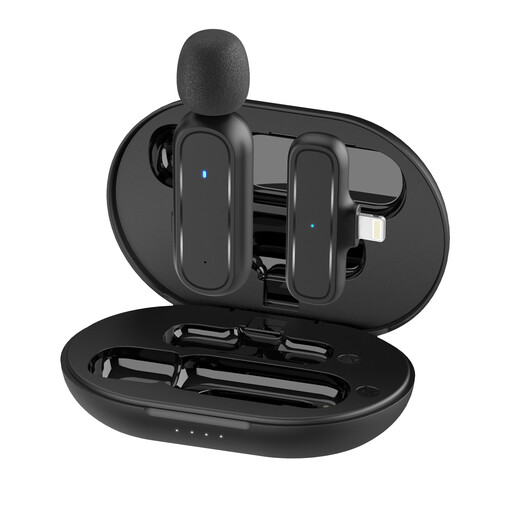 No image available
For one voice with an iPhone or iPad, provided the device has the Lightning connection specified in the product title.
The product title lists one transmitter and one receiver, as well as iPhones and iPads with a Lightning connection.
 No image available
For reading together when you need two transmitters to record two voices.
The product description lists USB-C, Lightning and 3.5 mm TRS connection options, as well as internal storage on the transmitters. Check which connection is right for your recording device.
RØDE recommends attaching it to the chest, around 20–30 cm from your mouth, as a general placement guideline. Make sure the capsule and cable don’t rub against your clothing, and listen back to a test recording with both quiet and loud lines. This recommendation can’t guarantee the same results in every room.
Not simply because a 3.5 mm plug fits physically. The RØDE Lavalier GO uses TRS and needs power from a suitable microphone socket, so check the input on your specific smartphone and whether you need an appropriate adapter. For the MOTIV MVL, which uses a different connection, Shure lists a CTIA-compliant adapter as a possible way to connect it to a mobile device.
Not automatically. The number of transmitters and the available channel mode are separate features. Check whether the specific set outputs mono, stereo or separate tracks, and which mode suits your recording.
Section 201(1) of the German Criminal Code (StGB) makes it a criminal offence to record another person’s non-public spoken words without their authorisation. The text of the law is provided by the Federal Ministry of Justice and Consumer Protection and the Federal Office of Justice. If other people’s words could be captured, discuss the recording with them beforehand or choose a quiet time. Not every sound in a room automatically amounts to a criminal recording.
Not simply because you’re the one reading the poem aloud. Under section 15 of the German Copyright Act (UrhG), the right to make a protected work available to the public generally belongs to the person who holds the copyright. Before publishing, check whether the specific poem is protected and whether you have the necessary rights or permission. Without details of the work, it isn’t possible to assess the individual case.