What should you consider when choosing one?
First, check the input on your recording device. Then decide between wired and wireless based on how much you need to move, and assess the result with a short recording in your room.
The figures below show which concerns consumers consider most important when choosing a microphone for pronunciation practice.
| What matters |
What to check before buying |
Who is it most relevant to? |
| Clarity in a reverberant room |
Check the clip and windscreen; listen to a short recording made where you plan to practise. |
If I practise in a room without acoustic treatment, I want to be able to assess my sounds despite echo and background noise; around 33% of consumers prioritise clarity. |
| The right connection for your device |
Check the microphone input on your device and make sure it is compatible with your recording app. |
I want to use a microphone directly with the mobile phone or computer I already own; around 27% of consumers focus on getting the right connection. |
| Preserving the details of your pronunciation |
Record practice words with plosive and sibilant sounds; compare the unedited and edited versions. |
If I want to assess individual sounds closely, they need to remain clear in the recording; around 27% of consumers prioritise unaltered pronunciation details. |
| Freedom of movement and conversation |
Decide how much you need to move and how many people will be speaking; check what’s included in the set and how it connects. |
I want to move around while speaking or practise with someone else without being restricted by a cable; around 13% of consumers prioritise freedom of movement or recording conversations. |
Joybuy products
This selection includes wired lavalier microphones and wireless systems for USB-C devices. The key things to consider are the connection, the number of people speaking and how much you need to move.
 No image available
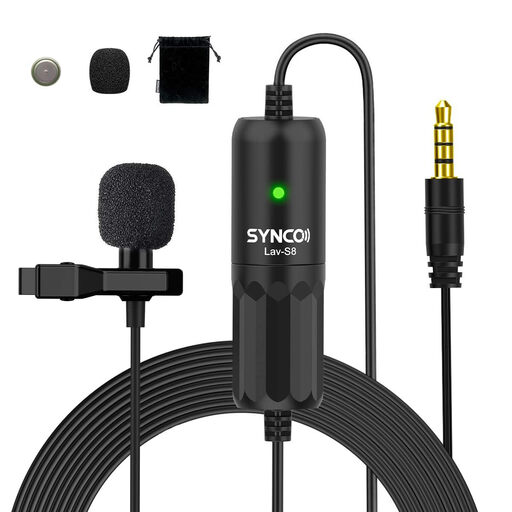
SYNCO S8 lavalier microphone for smartphone, PC, laptop and camera
A wired option if you’re looking for a lavalier microphone for one of the devices listed in the product name.
The product description lists a 3.5 mm connection, a clip and a windscreen. Check that the connection matches your device’s microphone input.
View at Joybuy
 No image available
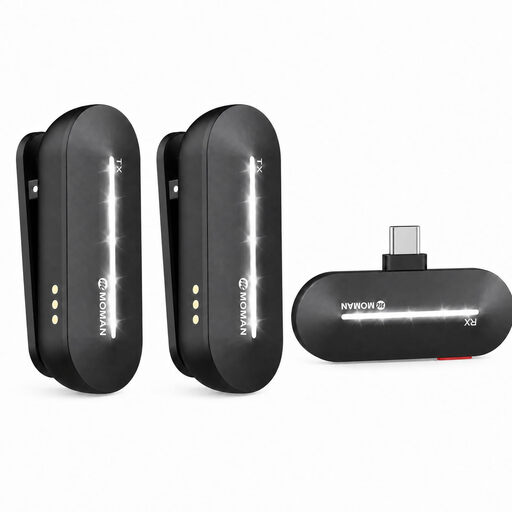
Moman M1CXT wireless lavalier microphone, USB-C, 2TX+1RX
This set may suit you if you’re practising with someone else and your recording device and app work with the USB-C receiver.
The product name specifies two transmitters and one receiver (2TX+1RX).
View at Joybuy
 No image available
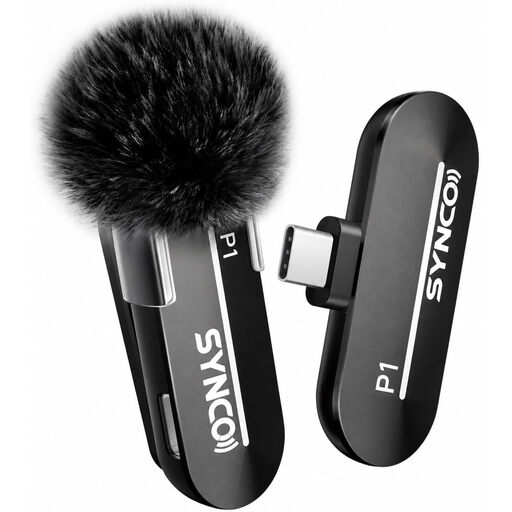
SYNCO P1XT wireless USB-C microphone
A wireless option if you want to move around while recording and have a compatible USB-C device.
According to the product details, Android devices need OTG functionality.
View at Joybuy
 No image available
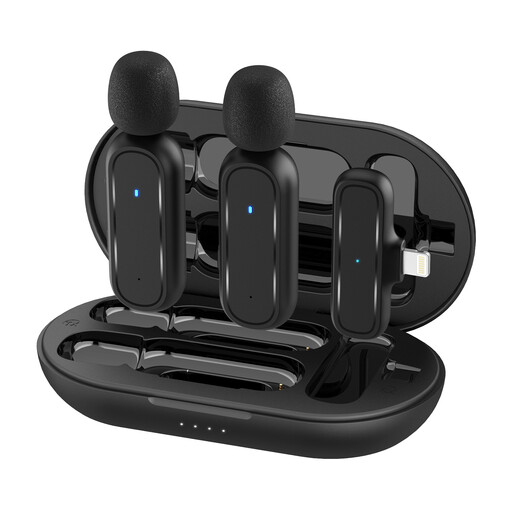
Moman MC1(C) wireless lavalier microphone for USB-C
This version is listed for recording with a USB-C phone; check that the connection is compatible with your device before buying.
The product name specifies a set with one transmitter and one receiver (1TX&1RX).
View at Joybuy
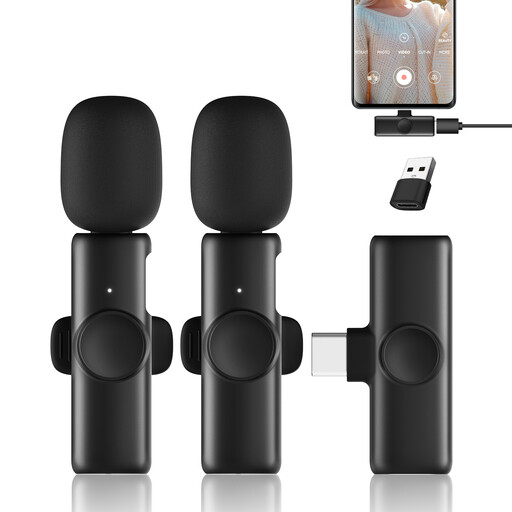 No image available
Moman MS1X(C) wireless lavalier microphone for USB-C Android devices, 2TX&1RX
An option for practising with someone else, if your USB-C Android device is compatible with the receiver.
The product name specifies two transmitters and one receiver (2TX&1RX).
View at Joybuy
Frequently asked questions
Is a lavalier microphone enough to eliminate echo in a room without acoustic treatment?
No. Positioning the microphone close to you can make your voice stand out against more distant sound sources, but it won’t eliminate room echo. If possible, record somewhere with little background noise and assess a short test recording made where you plan to practise.
How should I attach the microphone for pronunciation practice?
Attach it close to your voice without letting it rub against your clothing. Use the clip supplied with the model, and a windscreen or pop filter if appropriate. Then practise saying words that contain the sounds you want to assess.
Should I turn on noise reduction when assessing my pronunciation?
First compare an unedited test recording with an edited one. Audacity says that noise reduction can reduce steady background noise, but is not suitable for isolated or irregular sounds; applying too much can create audible artefacts.
What should I know about returns when buying online in Germany?
German consumer advice centres state that online orders generally come with a 14-day cancellation period starting from receipt of the goods. Before ordering, check the specific retailer’s cancellation policy and returns information; this does not guarantee any additional services from the retailer.
Can I record someone else’s voice during pronunciation practice without their knowledge?
No, you shouldn’t do so without checking first. Section 201 of the German Criminal Code makes it a criminal offence to record another person’s non-public spoken words without authorisation. If someone is practising with you, get their consent before recording; this rule does not apply to recording your own voice, as discussed here.


