What should you look for when buying?
Wired USB-C lavalier
A good fit if: you usually record in one place using a compatible USB-C device.
The trade-off: The cable limits how far you can move; Sennheiser lists a 2 m cable for the XS Lav USB-C.
Wired 3.5 mm lavalier
A good fit if: your device has a microphone input that’s explicitly compatible and provides the power required.
The trade-off: A matching plug size alone doesn’t confirm that the wiring or power supply is right; RØDE specifies a suitable TRS input with plug-in power for the Lavalier GO.
Wireless lavalier microphone
A good fit if: you move around while reading and a cable gets in your way.
The trade-off: The transmitter, receiver, set version and power supply all need to suit your recording device and planned reading.
RØDE suggests starting with a lavalier microphone around 20–30 cm from your mouth. Position it so your clothes don’t rub against it, then listen back to a test recording made with the usual noise in your flat.
| Priority |
What to check when buying |
Who is this important to? |
| Clear speech despite background noise |
Microphone position; check noise reduction and voice quality in a test recording |
If I’m reading in a noisy flat, I want to record my voice close-up and clearly, without assuming background noise will disappear. Around 33% of consumers put clear speech despite household noise first. |
| Connection to the recording device |
Check the device input, connector wiring and power requirements |
If I’m using my existing recording device, I want to be sure the microphone and signal path are compatible. Around 27% of consumers prioritise a suitable connection. |
| Freedom of movement |
For wireless models, check the receiver connection, exact set version and power supply |
If I move around while reading, I don’t want a cable to restrict me, so I need a wireless set with a suitable receiver. Around 20% of consumers prioritise moving freely without a cable. |
| Varying vocal levels and microphone placement |
Position the capsule so clothes don’t rub against it; record quiet and loud passages |
If my reading shifts between quiet and loud passages, I want to check how my voice sounds and avoid rustling from my clothes. Around 20% of consumers focus on these points. |
Joybuy products for readings
This selection includes wired 3.5 mm lavalier microphones and wireless sets with USB-C or other receiver connections. The key is choosing a connection that works with your existing recording device.
 No image available
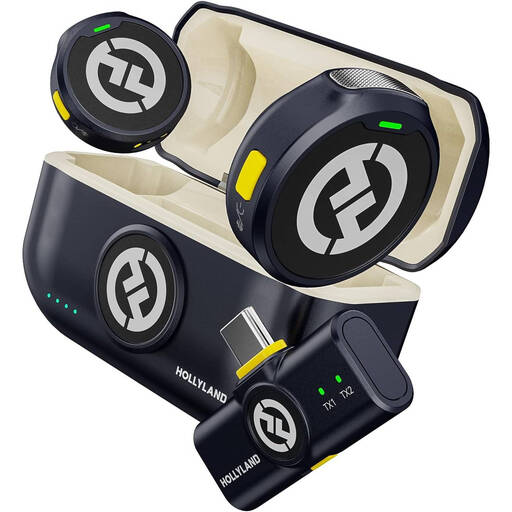
Hollyland LARK M2, wireless lavalier microphone, USB-C
A wireless option if you want to move around while reading and the USB-C receiver works with your recording device. Try the stated noise reduction with your voice and the noise in the room.
View at Joybuy
 No image available
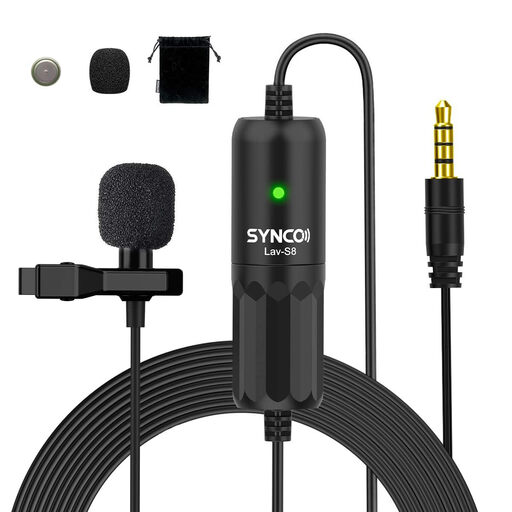
SYNCO S8 lavalier microphone
Worth considering if your recording device has a compatible 3.5 mm microphone input. The shape of the plug alone doesn’t confirm that the input and microphone will work together, so check the connector wiring too.
View at Joybuy
 No image available
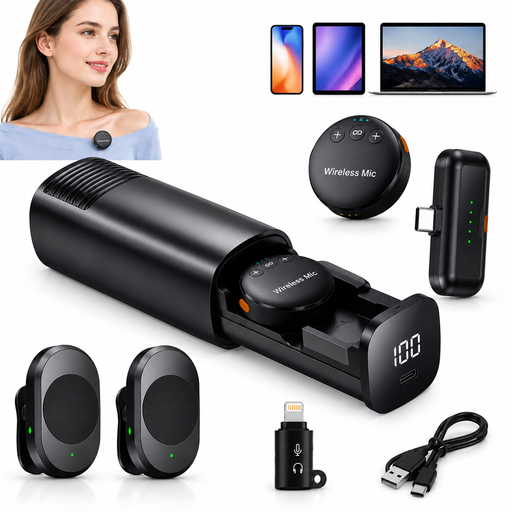
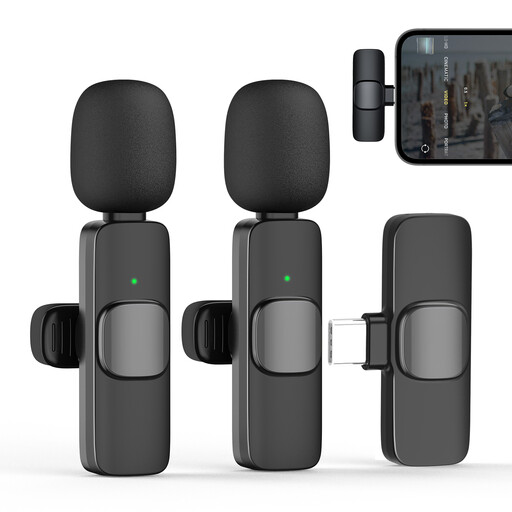
Wireless lavalier set, 2 transmitters, USB-C and Lightning
The product description lists two transmitters, as well as USB-C and Lightning. Check which connection and receiver are intended for your recording device. The listed DSP noise reduction doesn’t guarantee a noise-free recording in your flat.
View at Joybuy
 No image available
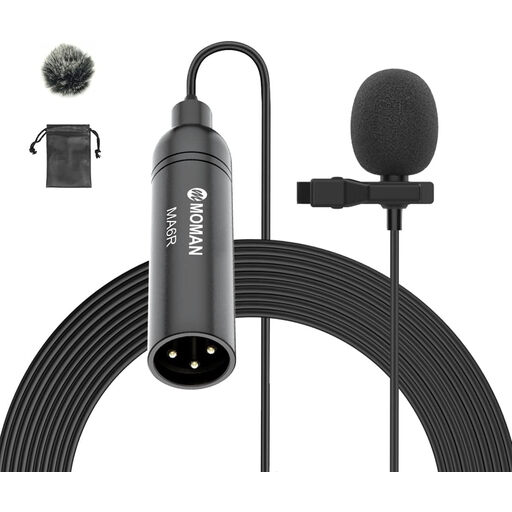
Moman MA6 lavalier microphone
Described as a wireless option for greater freedom of movement. Before buying, check that the stated 3.5 mm connection, including the input and wiring, is compatible with your recording device.
View at Joybuy
 No image available
Moman CP1X(C) wireless lavalier microphone, USB-C, 1TX&1RX
A wireless option for a compatible USB-C device. Check that the receiver works with your specific recording device. A stated noise-reduction feature is no substitute for a test recording of your reading voice.
View at Joybuy
Frequently asked questions
Can a lavalier microphone completely block out neighbours or other household noise?
No. You can’t tell that from the microphone’s design or an omnidirectional pickup pattern. Position it appropriately and test a recording in the conditions you’ll actually be using it in. If it advertises noise reduction, check how it works with your voice and the specific noise you want to address.
Where should I clip the microphone when reading aloud?
RØDE suggests starting with a position on your chest, around 20–30 cm from your mouth. Keep the capsule clear of rubbing clothes and listen back to a test recording made with the movements you expect to make.
Will any 3.5 mm lavalier microphone work with my recording device?
No, the plug size alone isn’t enough. Check that your device has a compatible microphone input with the required wiring and power supply. RØDE specifies a TRS input with plug-in power for the Lavalier GO, while Shure describes compatible mobile connections or a CTIA-compliant adapter for the MVL.
Can I record conversations involving other people?
Section 201 of the German Criminal Code covers recording another person’s non-public spoken words without authorisation, as well as certain uses of such recordings. If other people might be audible, make sure you have their consent before recording. The law isn’t a blanket statement about every background sound.
Can I publish a reading of someone else’s text online?
Not simply because you made the recording yourself. German copyright law deals separately with the right to perform a work and the right to make it available to the public. Before publishing a reading of someone else’s text that is still in copyright, check whether you have the necessary rights or whether an applicable exception applies.


