
Lieferung heute & morgen

Qualitätsgarantie

Willkommens-Angebote freischalten: KOSTENLOSE Lieferung | Bis zu 80 % RABATT | Kostenlose 30-Tage-JoyPlus-Testphase
App herunterladen
A leak-proof lunch box should do more than simply store a meal. It needs to stay sealed in your rucksack, offer enough space and be easy to clean. At the same time, lunch boxes vary considerably in terms of their closures, internal compartments, materials and suitability for the microwave or freezer.
Many disappointing purchases result from three common marketing traps:
A leak-proof lunch box should have a lid that sits evenly and a clearly visible seal. Click closures on several sides distribute pressure more effectively than a single closure point. For liquid foods, specifications such as “waterproof” or “airtight” are also relevant.
You should also check:
Even a well-sealed food storage container can leak if it is overfilled or carried at an angle in a bag. Liquid foods should be kept upright wherever possible.
A 1-litre lunch box is often suitable for a complete meal, such as a sandwich, fruit and a salad. For smaller snacks or compact bags, 750 to 900 millilitres may be more practical. Families and people with larger appetites may need more capacity or several containers.
A lunch box with compartments, also known as a bento lunch box, keeps the main dish, side dishes and snacks separate. This reduces the risk of foods mixing, but the inserts take up some space. Removable compartments offer flexibility, while permanently integrated dividers can be quicker to use when filling the box every day.
For plastic containers, information about suitability for food contact and BPA is important. A BPA-free lunch box should state this clearly in the product details or on the packaging. The description alone is not a substitute for specific information from the manufacturer.
The following practical rules apply to temperature suitability:
The following models differ in size, compartments and temperature functions. The stated product details and usage instructions for each model are decisive.
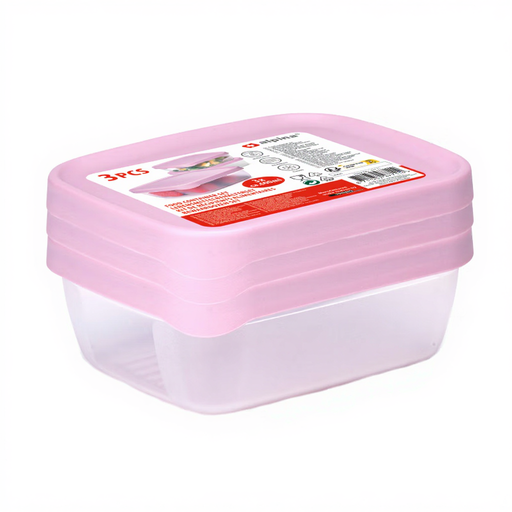
Why this product suits this profile: The set contains three boxes in different sizes, making it suitable for people who want to divide meals, snacks or leftovers flexibly. The transparent plastic makes it easy to check the contents.
Several sizes mean you do not always need to use a large container for small portions. Before transporting the boxes, the shared lid should be closed carefully.
Three boxes with one universal lid, a stackable design and BPA-free specification according to the product description.
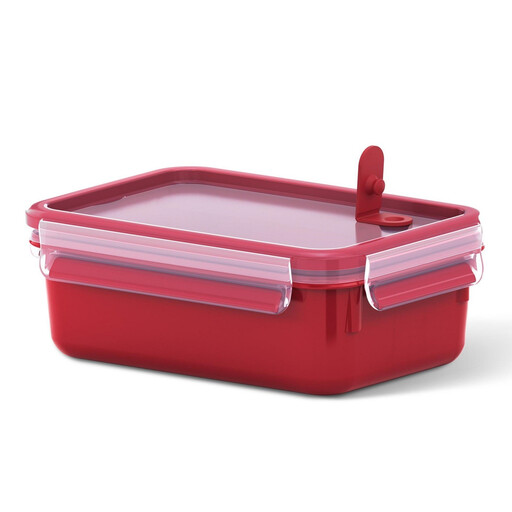
Why this product suits this profile: The rectangular 1-litre box is designed for transporting meals every day and, according to the product details, features a click-lock system and an integrated steam vent.
The instructions specify that the vent must be opened before heating. This clearly takes common mistakes when using the microwave into account.
1-litre capacity; according to the product description, suitable for the microwave, freezer and dishwasher, as well as being BPA-free.
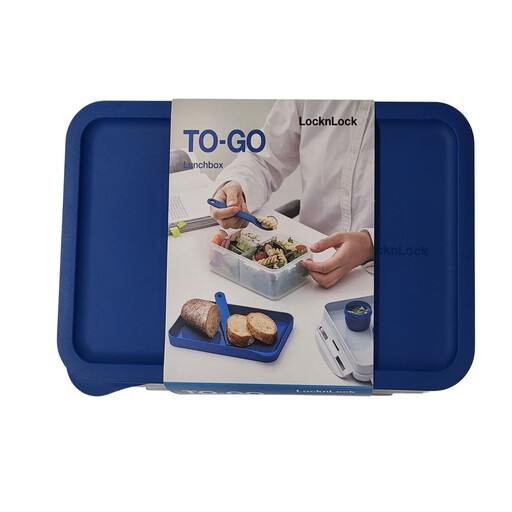
Why this product suits this profile: Three removable compartments, a sauce container and cutlery are ideal for users who transport different foods separately and regularly eat on the go.
The four-sided locking system and removable inserts address both the risk of leaks and the mixing of side dishes. In the microwave, the lid must be removed completely.
1,000 millilitres, three compartments, cutlery and a sauce container; according to the product details, suitable for the microwave without the lid, freezer and dishwasher.
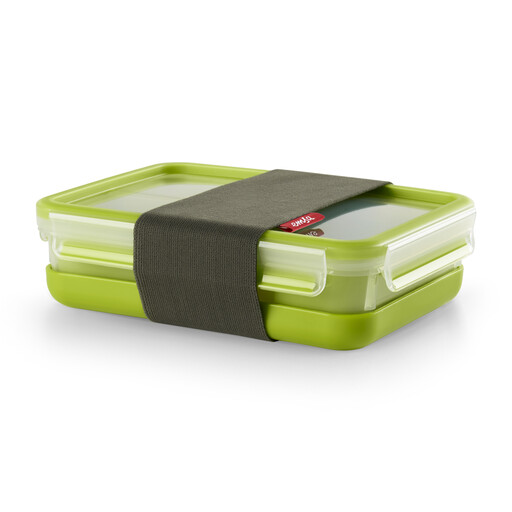
Why this product suits this profile: The larger capacity and three inserts are suitable for working and school days when you need a complete meal, snacks and separate side dishes.
The Freshness seal and securing strap help with transportation. The stated maximum fill level of 1.2 litres should be observed so that the lid closes correctly.
1.2-litre capacity, three inserts and a separate plate element; according to the product details, suitable for the microwave, freezer and dishwasher.
We have put together a complete, regularly updated list of products that fully meet these strict selection criteria and the safety regulations applicable in the EU.
Even a suitable model needs to be used correctly. Allow very hot food to cool briefly before sealing the container. Leave a little space at the top when storing liquid dishes. After closing the box, check the lid all the way round and transport it as horizontally as possible.
For microwave use: open the steam vent or remove the lid, depending on the model. Do not use a container on the hob, under the grill or in the oven unless this is expressly permitted. Damaged boxes and seals should no longer be used.
For soup, you need a box that is explicitly described as leak-proof, with a sturdy seal and secure closure system. A simple snack container without a seal is unsuitable. The box should also be kept upright in a bag.
This depends on the model. The container is often microwave-safe, while the lid must be removed or a steam vent opened. Always observe the temperature limit and the instructions for use.
Its service life depends on the material, cleaning, exposure to temperature and handling. Visible cracks, brittle seals, distortion or persistent odours are reasons to replace it. Regular cleaning and dry storage with the lid open can help maintain its suitability for everyday use.