
Lieferung heute & morgen

Qualitätsgarantie

Willkommens-Angebote freischalten: KOSTENLOSE Lieferung | Bis zu 80 % RABATT | Kostenlose 30-Tage-JoyPlus-Testphase
App herunterladen
A leak-proof lunch box should keep meals safely inside your bag – whether it is carried in a rucksack to school, taken to the office in a work bag or stored in the fridge during meal prep. In practice, however, problems are often caused not by capacity, but by unsuitable seals, inappropriate materials or unclear information about how the product should be used.
As a Joybuy Product Recommendation Officer, I assess the most important product features objectively and show which containers are suitable for different everyday situations.
A leak-proof lunch box needs more than a firmly fitting lid. Look for seals, closure clips or a clearly described locking system. This is particularly important for soups, dressings and sauces, where the manufacturer should specify whether the container is suitable for liquid foods.
Even a correctly closed lid cannot always prevent leaks if the container is overfilled or carried at an angle in a rucksack. That is why the fill line and care instructions should also form part of your purchasing decision.
‘Microwave-safe’ does not automatically mean that the entire lunch box, including the lid, can be heated. With many models, the lid must be removed or a steam vent opened. Otherwise, pressure may build up inside.
The Tefal MasterSeal Micro is one example: according to the product information, it can be used in the microwave with the valve open. For the Tefal Master Seal To Go Insulated Rectangular Lunch Box, however, the instructions state that the lid must be removed before heating. The relevant instructions for use are therefore essential.
A lunch box with compartments is practical when you want to keep side dishes, fruit and the main course separate. However, dividers reduce the amount of space that can actually be used. For a complete lunch, a 1-litre lunch box may be more suitable than a smaller bento model.
If you only need to carry yoghurt, cereal or a snack, you do not need a large container. An oversized container takes up unnecessary space and can be harder to clean when used for small portions.
Check the following before buying:
A click closure with several locking points can make the lunch box easier to handle. Correct use is still important, however: the seal must be fitted cleanly, the lid must be fully closed and the container must not be overfilled.
A BPA-free lunch box made from polypropylene is lightweight and is often designed for use in the microwave, freezer and dishwasher. However, the exact temperature limits vary from one model to another. LocknLock, for example, specifies a range of -20 °C to 120 °C; microwave use is intended without the lid.
A stainless steel lunch box retains its shape and typically absorbs fewer odours. However, it is not automatically suitable for microwave use. Vacuum-insulated stainless steel containers such as food flasks should be cleaned by hand in accordance with the manufacturer’s instructions.
The following sizes can serve as a guide for everyday use:
A rectangular shape generally makes efficient use of space in a bag. On the other hand, a wide container with a large opening can be more practical when filling, eating and cleaning.
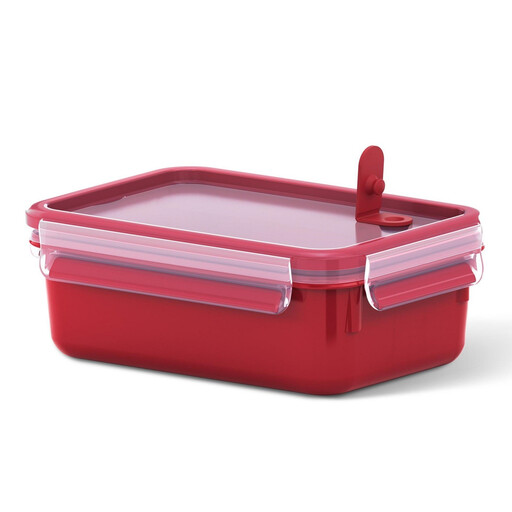
Why this product suits this profile: The 1-litre capacity is suitable for typical work and school lunches. The rectangular shape can be stored easily in bags.
The click closure system and the described leak-proof construction help address the risk of liquid escaping. For microwave use, the valve must be opened before heating.
According to the product information, it is BPA-free and suitable for the microwave, freezer and dishwasher; dishwasher cleaning should be carried out on the top rack.
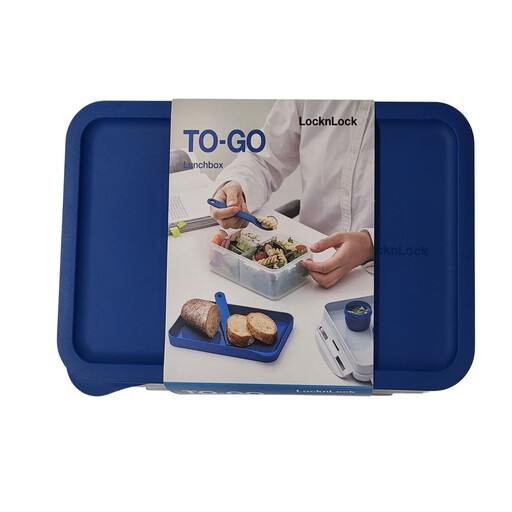
Why this product suits this profile: Three removable compartments keep the main course, side dishes and snacks separate. This makes it suitable for well-organised meal-prep portions and lunch boxes for work and school.
The compartments are removable, so the container is not permanently restricted to a fixed layout. The lid must be removed completely before using the lunch box in the microwave.
According to the product information, it is made from BPA-free polypropylene, features a four-sided closure, offers 1 litre of capacity and is suitable for the freezer and dishwasher.
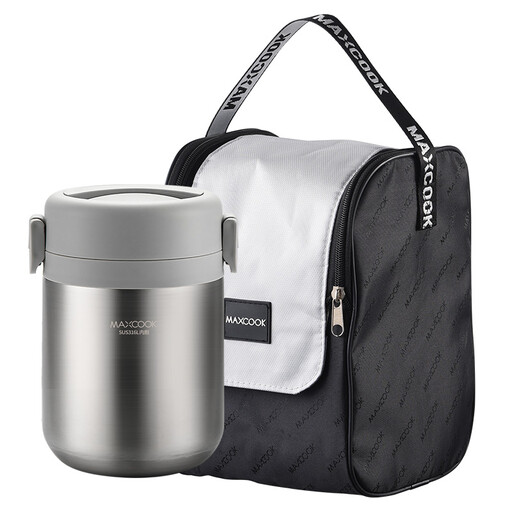
Why this product suits this profile: The wide opening and 1.5-litre capacity are designed for people who want to take soups, stews or larger portions with them when out and about.
The screw-top closure is designed for transporting food. The manufacturer’s information advises against turning the container upside down or overfilling it, and states that it should not be put in the dishwasher.
Vacuum-insulated container made from 316 stainless steel, with a wide opening and separate lunch bag. According to the product information, it retains temperature for approximately 4 to 6 hours.
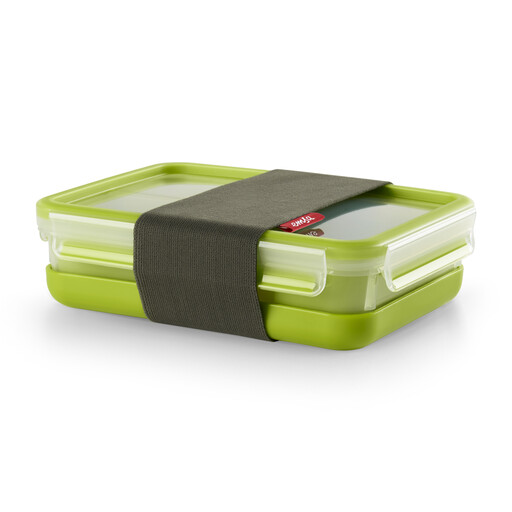
Why this product suits this profile: Three inserts and an additional plate element make it easier to prepare different foods separately for several days of use.
The freshness seal and separate inserts help prevent foods from mixing. The seal should be cleaned regularly and fitted completely before transport.
According to the product information, the model is designed for use in the microwave, freezer and dishwasher, within a range of -40 °C to 110 °C.
We have put together a complete, regularly updated list of products that fully meet these strict selection criteria and the safety regulations applicable in the EU.
A dishwasher-safe lunch box should be loaded according to the manufacturer’s instructions. For some plastic models, only the top rack is suitable. Seals and valves require particular attention, as food residue can collect in these areas.
For a longer service life, we recommend:
An insulated thermal lunch box or food jar is usually cleaned by hand. According to the product information, preheating or pre-cooling it with water can help support the intended temperature retention. Carbonated drinks should not be put in the food jars mentioned above.
For a standard lunch, 0.8 to 1.2 litres is often sufficient. A lunch box with compartments can be useful for salads, side dishes and snacks. Large portions or liquid dishes require more capacity and are better suited to an insulated container of 1.4 litres or more.
No. Stainless steel containers should generally not be put in the microwave unless the manufacturer explicitly and clearly confirms that they are technically suitable. Plastic containers specifically designed for heating are more appropriate. Lids, valves and seals must be handled in accordance with the instructions for use.
Look for detailed information about the closure, seal and intended use with liquids. Before transporting food for the first time, you can place a little water in the closed container, keep it upright and carefully test it in a sink. If there is visible damage, a seal that does not fit correctly or a loose lid, the lunch box should not be used for liquid foods.