
Lieferung heute & morgen

Qualitätsgarantie

Willkommens-Angebote freischalten: KOSTENLOSE Lieferung | Bis zu 80 % RABATT | Kostenlose 30-Tage-JoyPlus-Testphase
App herunterladen
A reliable lunch box is essential for a cost-effective and healthy lunch break. We've all been there: soup leaking in your backpack or your packed lunch turning lukewarm by noon. Finding the right solution can be overwhelming. As a Joybuy Product Recommendation Officer, my job is to provide you with clear guidance. This article introduces various models and explains the key features to help you make an informed decision for your daily routine.
Before you decide on a model, several fundamental criteria should be considered. These will help you find a lunch box that perfectly matches your needs.
The material is a crucial factor for durability and safety. Plastic containers are lightweight and often microwave-safe. Look for the BPA-free label, which means the plastic was manufactured without the chemical bisphenol A. Stainless steel containers are robust, do not absorb odours, and are an excellent choice for transporting hot food. However, they are generally not suitable for the microwave.
The leak-proof quality depends directly on the lid and its seal. Models with four-sided clip-locks and a silicone seal firmly integrated into the lid typically offer a high level of protection against leaks, even with liquid contents like soups or sauces. For an insulated food jar, a screw-top lid with a silicone ring is standard to both maintain temperature and ensure a tight seal.
Your needs determine the necessary function.
Here is a selection of models that cover different needs—from simple transport to keeping meals warm or actively reheating them.
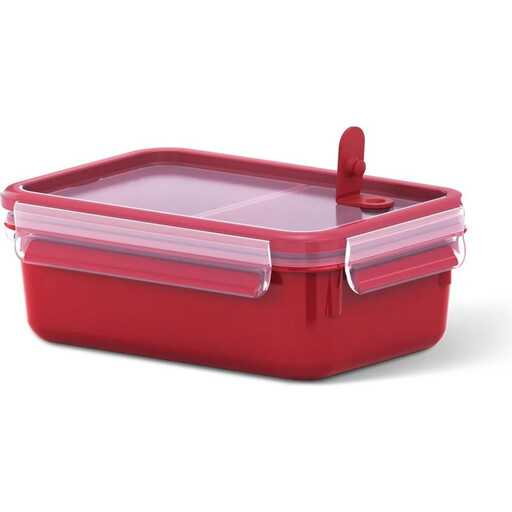
What Makes It Stand Out: The Tefal Master Seal To Go is a versatile lunch box for adults, designed for everyday reliability. Its sealing system ensures leak-proof transport, while the material meets practical demands like being dishwasher and microwave safe.
Pros:
Who It's For: Ideal for professionals and students looking for a straightforward and dependable meal prep container for salads, pasta dishes, or other foods that can be reheated in a microwave on-site.

What Makes It Stand Out: This insulated food jar from Maxcook is designed for transporting hot or cold meals. The vacuum insulation between the stainless steel walls keeps the temperature constant for hours. The wide opening makes it easy to fill, eat from, and clean.
Pros:
Who It's For: Perfect for individuals without access to a microwave, such as field service staff, construction workers, or commuters who want to bring a hot meal from home.
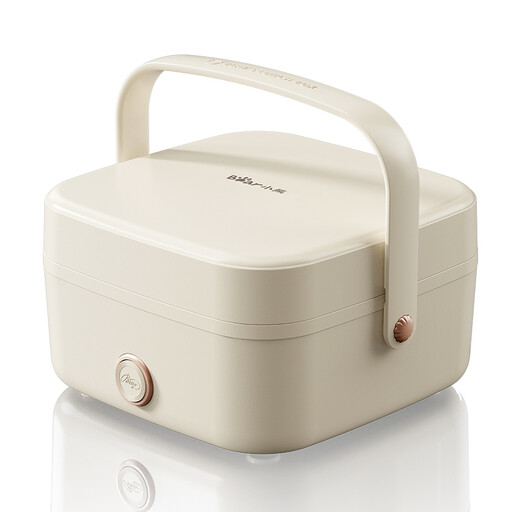
What Makes It Stand Out: The electric lunch box from Bear offers an innovative solution for heating food without a water bath. Simply plug it into an outlet, and it heats the contents up to 70°C. According to the manufacturer, the inner coating has a 99.99% antibacterial effect.
Pros:
Who It's For: An excellent choice for office workers who want to heat their meal directly at their desk without having to use the communal kitchen.
The products featured here already cover a wide spectrum. If you haven't found the right model for your specific needs, our Insulated Food Containers category offers an even larger selection of containers to keep your meals fresh and at the right temperature on the go.
1. How can I identify a truly leak-proof lunch box? Look for a robust locking mechanism, ideally with clips on all four sides of the lid. A high-quality, firmly integrated silicone seal is also crucial. For round containers intended for liquids, a screw-top lid with a thick silicone ring generally offers the highest level of security.
2. Can I transport hot soup in any leak-proof lunch box? Although many plastic containers are marketed as leak-proof, they are not always designed for very hot liquids. The pressure created by the steam can warp the lid or compromise the seal. For the safe transport of hot soup, an insulated food jar made of stainless steel with a screw-top lid is the more suitable and safer choice.
3. What does "BPA-free" mean, and why is it important? "BPA-free" means that a product was made without the industrial chemical Bisphenol A, which is found in some plastics. This is a relevant feature for food containers, as there are concerns that the substance could leach into food, especially when heated. The label gives users the assurance that they are using a product without this specific chemical.