
Lieferung heute & morgen

Qualitätsgarantie

Willkommens-Angebote freischalten: KOSTENLOSE Lieferung | Bis zu 80 % RABATT | Kostenlose 30-Tage-JoyPlus-Testphase
App herunterladen
A good lunchbox is more than just a container. It's a daily companion for professionals, students, and anyone who values a fresh, home-prepped meal. But the market is flooded with products that often fail to live up to their promises in practice. A leaky lunchbox can ruin the contents of your work bag, and low-quality materials can warp after just a few washes. As your Joybuy Product Recommendation Officer, I'm here to help you spot the common pitfalls and make an informed decision.
Before we dive into the key features, let's highlight the problems many buyers only notice after their purchase.
To avoid a bad purchase, you should check three core parameters. These determine whether an on-the-go food container will meet your daily needs.
Each material offers specific pros and cons that make it ideal for different use cases.
The lid is the most critical component of any lunchbox. A reliable closure consists of two parts: a sturdy locking mechanism and a peripheral seal. Systems with four-sided click-latches and a silicone gasket in the lid have proven to be particularly reliable. Some models, like the Bento Box, feature separate seals for each compartment to prevent liquids and solids from mixing.
Do you need a box for a single meal, or do you want to transport different components separately?
Instead of making a one-size-fits-all recommendation, we've selected products tailored to specific use cases.
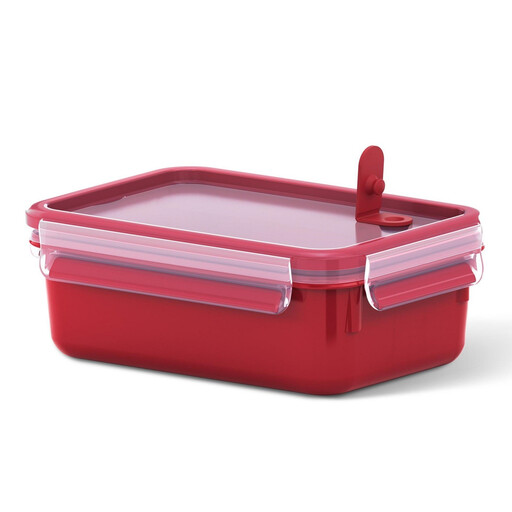
Why This Fits Their Persona: Ideal for daily use at the office or university. This container offers reliable core functions without unnecessary frills, making it a solid choice for anyone seeking a functional and affordable solution.
The click-lock system, combined with the seal, ensures a reliable closure. The valve in the lid allows for microwave heating without removing the lid, which prevents material warping from uneven heat.
According to the manufacturer, it is 100% leak-proof and hygienic. The container is BPA-free, dishwasher-safe, and freezer-safe.

Why This Fits Their Persona: Perfect for those who prepare varied meals with multiple components. The flexible compartments and included accessories make this box a complete system for sophisticated meal prep.
The three removable compartments prevent food from mixing and keep everything fresh. The patented four-sided locking system with a silicone seal specifically addresses the issue of leak-proofing, even with liquid contents.
A complete set with three compartments, cutlery, and a sauce container. According to the manufacturer, it is 100% airtight and watertight. Temperature resistant from -20°C to 120°C.
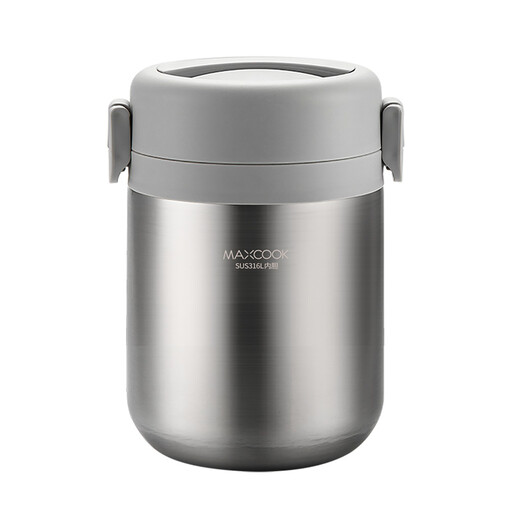
Why This Fits Their Persona: For anyone who doesn't want to miss out on a hot soup, stew, or curry on the go and lacks access to a microwave. This thermal jar is designed for maximum temperature retention.
Instead of being a jack-of-all-trades, this is a specialist. The vacuum insulation and robust 316 stainless steel are specifically designed for temperature retention—a feature simple plastic boxes cannot provide. The tight screw-on lid is optimised for transporting liquids.
Effective vacuum insulation for temperature retention. Made from high-quality 316 stainless steel, which is more corrosion-resistant and durable than standard 304 stainless steel. Large 1.5-litre capacity.
We have compiled a complete, real-time list of products that fully satisfy these strict selection criteria and UK safety regulations.
To prevent odours from building up, the box should be rinsed with hot water immediately after use. For a thorough cleaning, most containers are dishwasher-safe (check the manufacturer's instructions). For stubborn odours, especially in plastic boxes, it helps to let the box sit overnight filled with a mixture of warm water and a spoonful of baking soda. Always store the box with the lid slightly ajar or removed to allow air to circulate.
The BPA-free label means the industrial chemical Bisphenol A was not used in the plastic's manufacturing. This is an important standard for food-contact products. Look for products from established brands that adhere to EU regulations for food-contact materials. This information can often be found in the product details or on the packaging.
No, absolutely not. Metal, including stainless steel, should never be put in a microwave. It can cause sparking and severe damage to the appliance. Thermal food jars made of stainless steel are designed to keep food warm through their insulation. If you need to reheat your food, choose a microwave-safe lunchbox made of glass or plastic.