
Lieferung heute & morgen

Qualitätsgarantie

Willkommens-Angebote freischalten: KOSTENLOSE Lieferung | Bis zu 80 % RABATT | Kostenlose 30-Tage-JoyPlus-Testphase
App herunterladen
A leak-proof lunchbox should transport meals safely, be easy to clean, and not take up unnecessary space in your daily routine. Whether for the office, school, university, travel or meal prep, capacity isn't the only thing that matters. The closure, seal, compartment layout and care instructions determine whether a lunchbox stays practical in the long run.
Not every lunchbox with clips or a snap-on lid is automatically suitable for liquid foods. Look for specific information about the seal, the closure system and the intended use. With a bento lunchbox that has multiple compartments, the transitions between sections can also be weak points.
A lid that simply sits on top is better suited to dry snacks. For yoghurt, dressings or sauces, a continuous sealing ring with a secure closure is a more sensible choice.
"Microwave-safe" does not necessarily mean the entire box, including the lid, can be used. With many models, the lid must be removed or a steam vent opened. If this instruction is ignored, pressure and heat can build up.
So check before you buy:
A lunchbox with compartments can keep foods separate and prevent bread, fruit or snacks from going soggy. At the same time, dividers reduce the actual available volume. For a full lunch, a meal prep box with large removable inserts is often more suitable than lots of small sections.
For transport in a rucksack or work bag, tightly sealing closures are important. Clips should click into place evenly and the lid must not warp visibly. A removable seal can usually be cleaned more thoroughly. Check it regularly for cracks, discolouration or deformation.
A BPA-free lunchbox made from food-safe plastic is lightweight and handy for many everyday situations. For plastic containers, suitability for food contact and the care instructions should be clearly stated. Stainless steel products are robust and generally absorb fewer odours; however, they are not automatically suitable for the microwave.
Temperature ranges also play a role. A storage container or food container for the freezer must be explicitly labelled as freezer-safe. Do not use any box on hobs, in the oven or under direct heat unless the manufacturer expressly permits it.
For a single meal, 700 to 1,000 ml is often sufficient. If you transport larger portions or several components, you may need a volume of 1.2 to 1.5 litres. Also pay attention to the external dimensions: a flat rectangular shape often fits better in a work bag, while round or tall snack boxes can be practical for yoghurt, muesli and fruit.
A dishwasher-safe lunchbox saves time. Check whether only the container, or also the lid, seal and inserts, can go in the dishwasher. Some plastic parts should only be cleaned in the top basket.
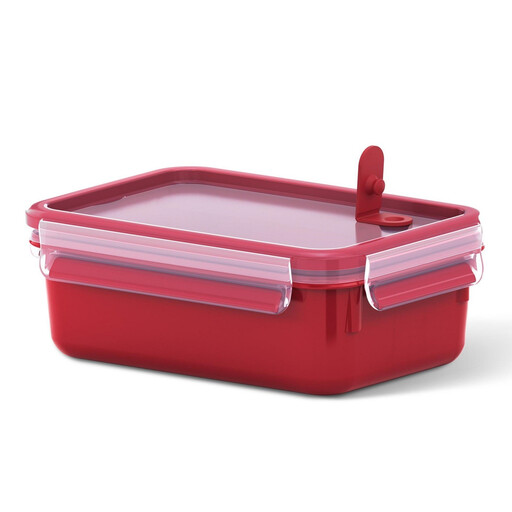
Why this product suits the profile: The 1-litre container offers a manageable format for the office, school and your daily commute. According to the product details, it is BPA-free and suitable for the microwave, freezer and dishwasher.
The Click-Lock system and integrated steam vent opening are clearly described. For reheating, the vent must be opened; for transport, it is closed again.
1 litre capacity, rectangular shape, 19.5 × 13.5 × 7 cm, 210 g weight and cleaning in the top dishwasher basket.
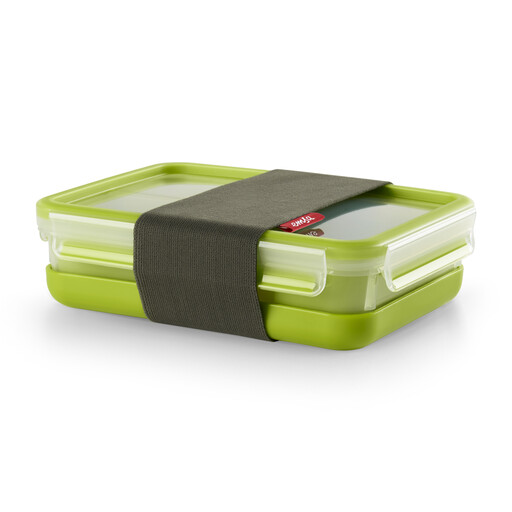
Why this product suits the profile: The 1.2-litre box is designed for separate meals and contains three inserts plus a separate plate. This suits users who regularly transport different foods.
The manufacturer's details mention a freshness seal and clear instructions for complete closure. The seal should be cleaned regularly.
Three inserts, separate plate and, according to the product details, suitability for dishwasher, microwave and freezer in the range of -40 to +110 °C.
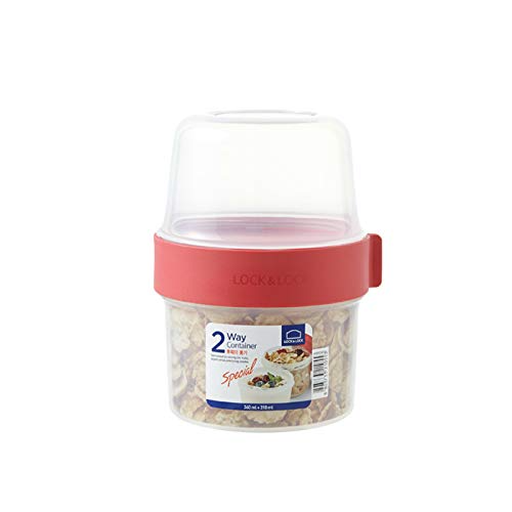
Why this product suits the profile: The compact snack box separates, for example, yoghurt and muesli or dip and vegetable sticks with its 360 ml and 310 ml sections. It is suitable for smaller meals at school, in the office or when travelling.
The separate levels reduce direct contact between different foods. For reheating, the screw lid is completely removed.
BPA-free plastic, 670 ml total volume, stackable design and, according to the product details, dishwasher and microwave suitability without the lid.
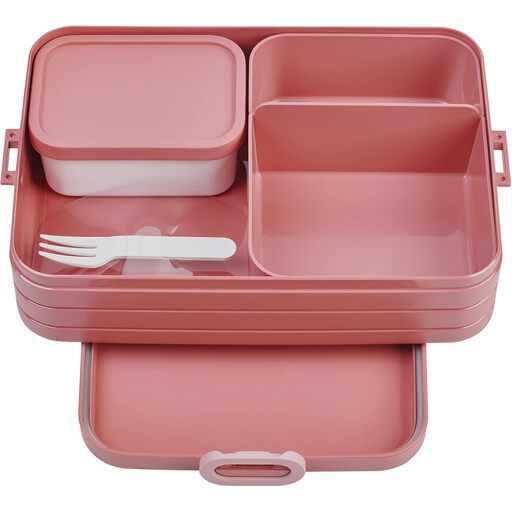
Why this product suits the profile: With a 1.5-litre capacity and two removable bento inserts, the box is suitable for larger meals or several components.
The inserts are removable and keep foods separate. For reheating, the bento containers may only go in the microwave without the lid according to the product details; the freezer is not intended.
1.5 litre volume, two separate sections, additional box with fork and dishwasher-safe components.
We have put together a complete, regularly updated list of products that fully meet these strict selection criteria and the safety regulations in force in the EU.
Even a well-constructed food container will only remain reliable if it is used correctly:
A reliable assessment requires specific manufacturer information about the closure and seal. A continuous sealing ring and several evenly closing clips can reduce the risk of leaking. Before transport, the box should be closed horizontally and checked for visible damage.
That depends on the model. Often only the container is microwave-safe, while the lid must be removed. With models that have a steam vent, this must be opened. Read the care instructions before reheating food.
The lifespan depends on the material, cleaning and wear and tear. Harsh cleaning agents, strong heat and frequent impacts can stress plastic, clips and seals. Regular visual checks help to identify wear early. If there are cracks or leaky closures, the lunchbox should no longer be used for transporting liquid foods.