
Lieferung heute & morgen

Qualitätsgarantie

Willkommens-Angebote freischalten: KOSTENLOSE Lieferung | Bis zu 80 % RABATT | Kostenlose 30-Tage-JoyPlus-Testphase
App herunterladen
Finding a leak-proof water bottle sounds simple at first. In practice, however, differences often only become apparent in your rucksack, car or after several weeks of daily use. Commuters, students, athletes and active people should therefore look beyond colour and capacity.
A bottle may be described as leak-proof in the product name, even though the seal only works when the silicone ring is fitted correctly. Liquid can also escape if the closure does not engage fully. So look for specific details such as a screw cap, safety lock, flip-top closure or a separately described seal.
With a thermal or insulated bottle, the actual performance depends on factors including the fill level, ambient temperature and how often the bottle is opened. “Up to” 12 hours hot or 24 hours cold is therefore a manufacturer’s specification under certain conditions, not a guarantee for every everyday situation.
A drinking straw, narrow lid or several sealing components can make drinking easier, but they also increase the cleaning effort. Residue tends to collect in mouthpieces, threads and silicone rings. A reusable water bottle should therefore not only be easy to carry, but also suit your cleaning options.
For short journeys, 380 to 500 ml is often enough. In the office, during exercise or on longer journeys, 550 to 720 ml may be more practical. A larger bottle will weigh correspondingly more when full and may not fit in a standard bottle holder.
Before buying, check:
A drinking straw allows you to drink quickly during training, but it is an additional component to clean. A wide bottle neck makes it easier to add ice and clean the bottle with a brush. For commuters, a secure closure and slim shape are generally more important than an especially wide opening.
For stainless steel models, the product description should also clarify whether the bottle is dishwasher-safe. Some thermal bottles must only be cleaned by hand. The lid and sealing ring should be allowed to dry completely after washing before the bottle is closed again.
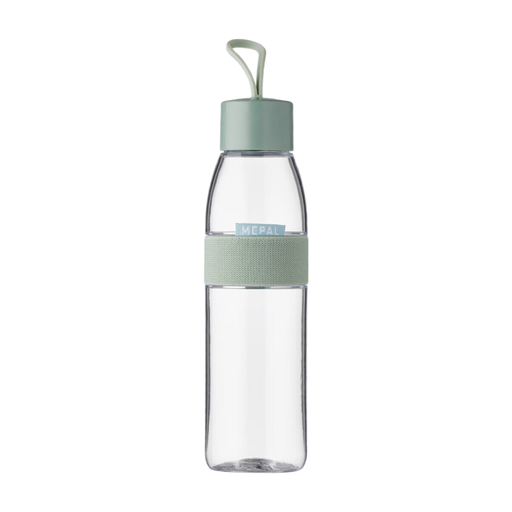
Why this product suits this profile: At 500 ml, this bottle is comparatively lightweight at 110 g and is ideal for the office, university, commuting and short exercise sessions.
The manufacturer specifies a leak-proof closure. The lid remains attached to the bottle by a loop; the rubber ring should be removed before putting it in the dishwasher.
500 ml capacity, BPA-free material according to the product information and, according to the product description, suitable for carbonated drinks provided it is not filled to the brim.
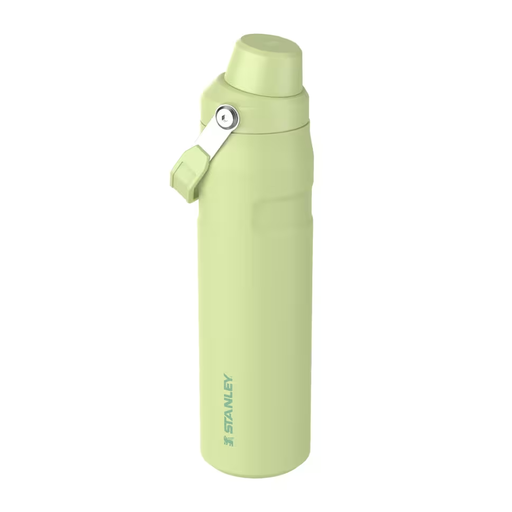
Why this product suits this profile: The double-walled vacuum insulation and robust stainless steel body are ideal for long working days, commutes and outdoor activities.
The wide opening makes filling and cleaning easier. The lid can be detached from the carry handle; according to the product information, the bottle is dishwasher-safe.
600 ml capacity, 370 g weight, vacuum insulation and, according to the manufacturer, up to 10 hours for cold drinks and up to two days for ice.
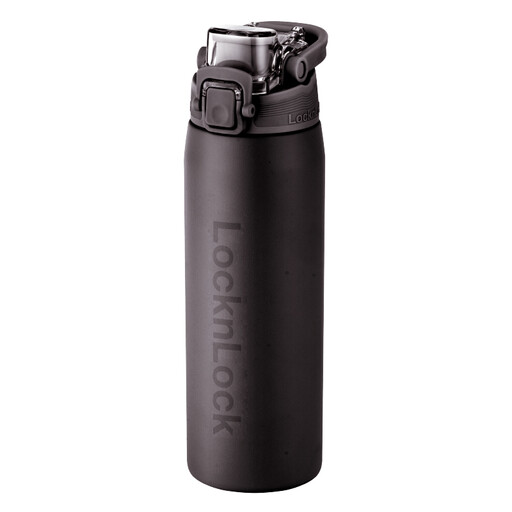
Why this product suits this profile: The 720 ml capacity and drinking straw are ideal for the gym, hiking, travelling and long days away from home.
Checking the closure before transport is explicitly recommended. As the lid and straw must be cleaned by hand, all parts should be dried regularly.
720 ml capacity, 316 stainless steel according to the product description and an integrated straw. Clean by hand; carbonated drinks are not recommended.
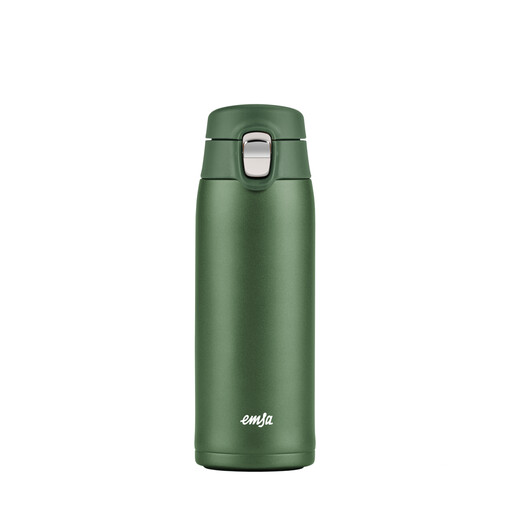
Why this product suits this profile: The slim 0,4-litre format is designed for train journeys, desks and car drink holders.
The flip-top closure is designed for one-handed use and is described as leak-proof in the product information. It must be fully locked before transport.
Stainless steel body, 0,4-litre capacity and, according to the manufacturer, keeps drinks hot for up to 8 hours and cold for up to 16 hours.
We have put together a complete, regularly updated list of products that fully meet these strict selection criteria and the safety regulations applicable in the EU.
For the office and commuting, 400 to 600 ml is usually practical. A slim water bottle for travelling fits more easily into bags and drink holders. If you want to take coffee or tea with you, a travel mug or thermal cup with a lockable lid is more suitable than a standard sports bottle.
Its lifespan depends on the material, usage and care. Check the lid, threads and silicone ring regularly. If you notice cracks, deformation or damaged vacuum insulation, stop using the bottle. A closure that is becoming less effective is also a reason to inspect the seal or lid, or replace the product.
Initially, fill the bottle only with cold water, close it fully and carefully turn it upside down over a sink. Then check the closure again after a few minutes. This check does not replace the manufacturer’s information, but it can show whether the lid is seated correctly and the sealing ring has been fitted properly. For carbonated drinks, follow the manufacturer’s relevant usage instructions.