
Lieferung heute & morgen

Qualitätsgarantie

Willkommens-Angebote freischalten: KOSTENLOSE Lieferung | Bis zu 80 % RABATT | Kostenlose 30-Tage-JoyPlus-Testphase
App herunterladen
Finding a leak-proof water bottle might sound straightforward. In practice, though, the differences often only become clear when a bottle is in your rucksack, in the car or after several weeks of regular use. A faulty seal, a drinking spout that’s difficult to clean or unsuitable material can make everyday life unnecessarily difficult.
This buying guide will help you assess product claims and choose the right reusable water bottle for the office, school, gym, commute, travel and outdoor activities.
A bottle can only be reliably leak-proof if the lid, sealing ring and closure mechanism all work together properly. With flip-top lids or drinking spouts, check whether there’s an additional locking slider. Screw tops are usually simple in design, but they still need to be tightened correctly.
Filling the bottle too full can also force liquid past the seal when you close it. So be sure to follow the manufacturer’s guidance on the maximum fill level.
A BPA-free water bottle isn’t automatically suitable for hot drinks. Tritan and other plastic bottles can be clear, lightweight and durable, but they’re often intended for cold or room-temperature drinks.
With a stainless steel water bottle or insulated flask, the insulation, closure and cleaning requirements are what matter. There may be specific restrictions on using certain models for fizzy drinks. Always check the product details rather than relying on general marketing claims.
A drinking lid with a straw, mouthpiece or several seals can be handy for everyday use, but it needs more care than a simple screw top. Residue is particularly likely to build up around silicone rings and narrow drinking openings.
A dishwasher-safe water bottle may be a good option, but you’ll often need to take it apart first. Some products can only go in the top rack, while others require the lid to be cleaned separately. Hand-washing isn’t necessarily a drawback, but it does mean more effort.
A 500 ml water bottle is often plenty for short journeys, the workplace or lessons. Models between 480 and 550 ml will often fit in rucksack pockets and many cup holders. If you’d rather refill less often during exercise or on longer journeys, choose a capacity of 650 to 720 ml.
Also consider:
A water bottle with a straw lets you drink without tilting it much, which can be useful when walking or exercising. An integrated spout often makes it easier to drink with one hand. Screw tops, on the other hand, are easy to clean and usually have a straightforward design.
Before you buy, check:
Tritan water bottles are often chosen for their transparent appearance and light weight. According to the product details for several LocknLock models, these bottles are intended for cold or room-temperature drinks and aren’t suitable for boiling liquids.
A vacuum flask made from double-walled stainless steel can keep drinks hot or cold for longer. Its actual insulating performance depends on the model and how it’s used. According to product details, selected Tefal and Stanley models can keep drinks hot or cold for specified periods. These are manufacturer claims, not a general feature of every stainless steel bottle.
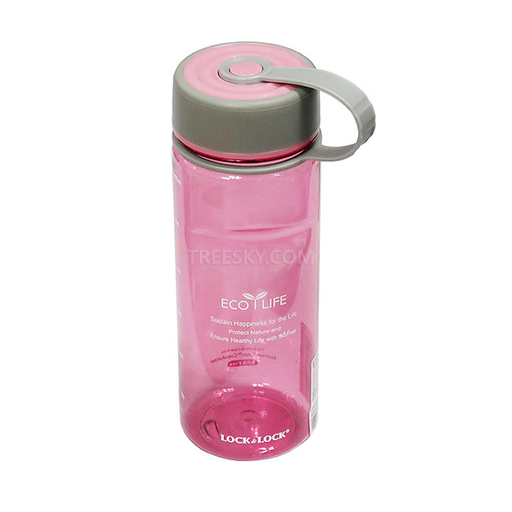
Why it suits this profile: Its 650 ml capacity makes it a good choice for work, commuting and exercise. The BPA-free plastic construction is lightweight and, according to the product details, leak-proof.
Make sure the lid is securely closed before carrying the bottle. The manufacturer’s guidance rules out microwaves and extreme temperatures, clearly defining how it should be used.
650 ml capacity, BPA-free plastic and, according to the product description, suitable for the office, travel and workouts.
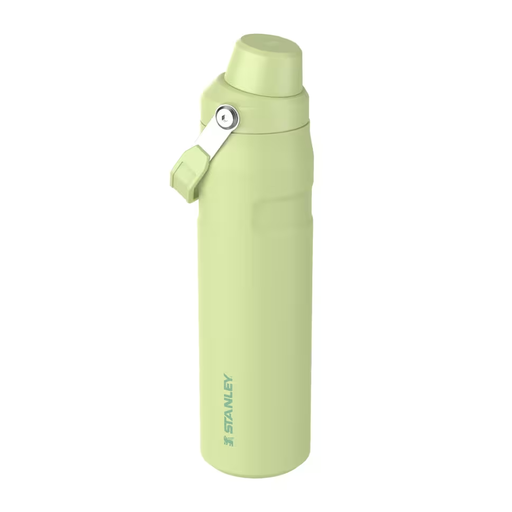
Why it suits this profile: Its double-wall vacuum insulation, made with recycled stainless steel, is a great option if you want drinks to stay at the right temperature for longer while commuting, exercising or enjoying a day out.
The wide opening makes filling and cleaning easier. The closure is described as leak-proof in the product details, but the bottle isn’t suitable for fizzy drinks.
600 ml capacity, 90% recycled stainless steel according to the product details, vacuum insulation and dishwasher-safe design.
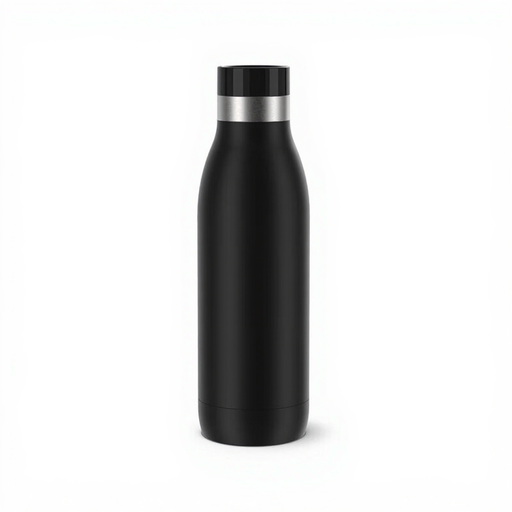
Why it suits this profile: This vacuum-insulated stainless steel bottle is designed for anyone looking for a reusable bottle for school, the office, the gym and everyday use.
The Quick-Press 360-degree closure is described as leak-proof in the product details. You can remove the lid for a thorough clean.
500 ml capacity, stainless steel body and vacuum insulation. According to the product description, it keeps drinks hot for up to 12 hours and cold for up to 24 hours.
We’ve put together a comprehensive, regularly updated list of products that meet these strict selection criteria and fully comply with the safety regulations in force in the EU.
Even a leak-proof water bottle needs regular checks:
A 500 ml water bottle is a practical starting point for many office and commuting needs. For long working days, hikes or intensive training sessions, a 650 to 720 ml model can mean fewer refills. The dimensions of your rucksack or cup holder are still important.
Not necessarily. BPA-free describes the material, but doesn’t automatically mean it can withstand high temperatures. Several of the plastic and Tritan models in our selection are intended for cold or room-temperature drinks only. For hot drinks, use only a model that’s explicitly approved for them.
A bottle’s lifespan depends on its material, closure, cleaning and how heavily it’s used. Seals can wear out over time, while drops can deform plastic or stainless steel. Regularly checking the bottle and replacing damaged parts can help keep it working properly.