
Lieferung heute & morgen

Qualitätsgarantie

Willkommens-Angebote freischalten: KOSTENLOSE Lieferung | Bis zu 80 % RABATT | Kostenlose 30-Tage-JoyPlus-Testphase
App herunterladen
A leakproof lunch box should get meals safely to work, school or a picnic. In practice, however, you often only find out on the way whether the lid, seal and compartments work reliably together. Small design details can make all the difference, particularly with liquid foods, salad dressings or warm leftovers.
This buying guide explains which details really matter, which common purchasing mistakes can lead to unnecessary spending and which models are suitable for different everyday situations.
The description alone does not tell you much. Details such as a silicone seal, four-sided closure, clip closure or an integrated sealing system are more meaningful. A simple push-fit or hinged connection may be sufficient for dry snacks, but it is not automatically suitable for sauces and liquid foods.
Also check whether the seal can be removed. A removable seal can be cleaned more thoroughly and checked more easily for signs of wear.
A lunch box with compartments can keep foods separate and make packing easier. With some bento boxes, however, the inserts are permanently integrated. This can make cleaning more difficult or restrict the available space for larger portions.
Removable compartments are therefore practical if you want to switch between sandwiches, fruit, side dishes and a main meal. For a single dish, on the other hand, a food container with one continuous compartment may be more suitable.
“Microwave-safe” does not automatically mean that the lid can be heated as well. With several plastic models, the lid must be removed completely or a steam valve opened. Temperature limits should also be observed.
With a dishwasher-safe food storage container, its position in the dishwasher may be important, such as placing it in the top rack. Seals and small cutlery parts should be cleaned separately and dried completely before reassembly.
A BPA-free polypropylene lunch box is often lightweight and suitable for transport. LocknLock models specify BPA-free polypropylene for the containers, lids and compartments. For the products mentioned, the material is rated for a temperature range of -20 °C to 120 °C.
A stainless steel lunch box is robust and resistant to many odours. According to the product description, the PURECOOK models are made from 304 stainless steel and have either one or two compartments, depending on the version, as well as removable silicone seals. Stainless steel containers are generally not suitable for microwave use.
Glass food storage containers are transparent, so you can see the contents at a glance. The JORDAN&JUDY set contains five glass containers, each with a capacity of 1,040 ml, and five smaller containers, each with a capacity of 370 ml. Glass is heavier than plastic and should be adequately protected when carried in a bag.
For a working day or a larger meal, around 800 to 1,000 ml is often sufficient. The total capacity is not the only important factor; the layout matters too. For example, a 1-litre container with three inserts is suitable for a main dish, side dish and snack.
Compare the external dimensions with your bag or the compartment in your rucksack. The Tefal Master Seal To Go Lunchbox, with a capacity of 1 litre, measures 195 × 135 × 70 mm. A compact box with a low profile is easier to store alongside a drinks bottle or laptop accessories.
Look for:
Before buying, you should also check whether the box is approved for liquid foods. For soup, yoghurt or dressing, an airtight food storage box with a secure closure is more suitable than a container designed only for dry snacks.
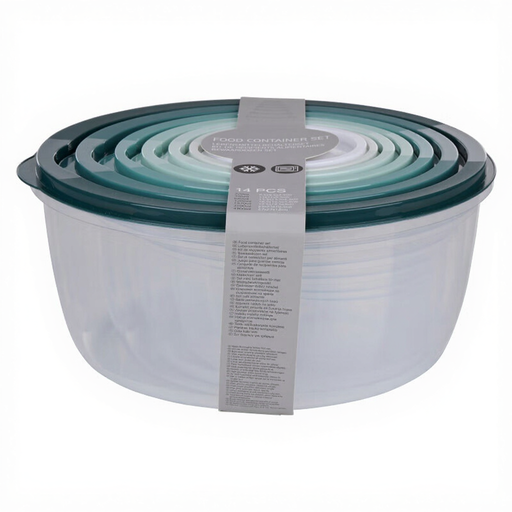
Why this product suits this profile: The 7-piece set offers different sizes for leftovers, snacks, lunches and organising food supplies.
The range of sizes reduces the risk of using an oversized container for every portion.
Seven containers in different sizes; suitable for food storage and meal prep.
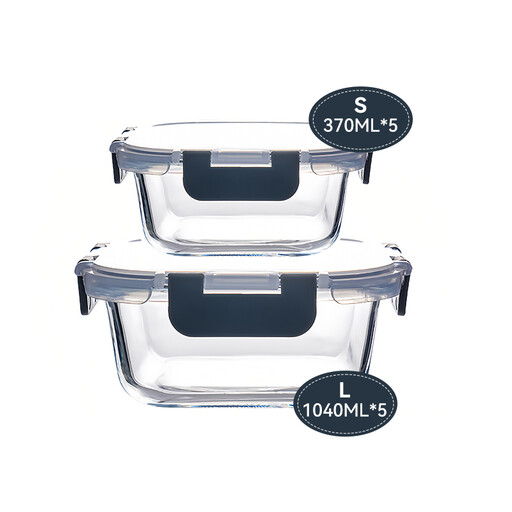
Why this product suits this profile: The set combines larger glass containers for meals with smaller formats for snacks and side dishes.
Snap-lock lids and specified seals address the typical weak point of basic lid connections.
Five glass containers with a capacity of 1,040 ml and five with a capacity of 370 ml; transparent containers make it easier to check the contents.
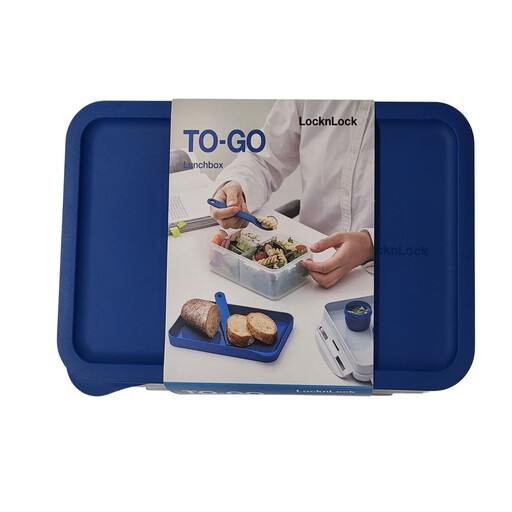
Why this product suits this profile: Three removable compartments, cutlery and a sauce container are designed for regular meal prep and lunches on the go.
The removable compartments avoid a fixed internal layout; the four-sided closure is designed for transporting liquid foods.
1,000 ml capacity; according to the product description, suitable for microwave, freezer and dishwasher use, subject to the stated restrictions in each case.
Even a leakproof lunch box will only remain functional if the closure and seal are kept clean. Wash all components before first use. Remove crumbs, grease and food residue from the sealing grooves. Store the box open so that moisture and odours can escape.
Check the container, lid, clips and seal regularly for cracks, deformation or loose connections. Damaged food containers should no longer be used. When freezing, leave enough room for the contents to expand. For microwave use, always follow the instructions in the relevant user manual; stainless steel must not be placed in a microwave.
We have put together a complete, regularly updated list of products that fully meet these strict selection criteria and the safety regulations applicable in the EU.
Choose a model with specified leakproof protection, a well-fitting silicone seal and several closure clips. A separate sauce container can also be useful if you want to add the dressing shortly before eating.
If possible, remove detachable seals and compartments, then clean the individual parts according to the manufacturer’s instructions. Dry all components completely before closing or storing the box. This makes it easier to check the sealing grooves and helps prevent moisture from accumulating.
There is no fixed service life that applies to every product. It depends on the material, frequency of use, cleaning routine and exposure to temperature. Replace the box if you notice cracks, significant deformation, damaged clips or a seal that no longer fits securely.