
Lieferung heute & morgen

Qualitätsgarantie

Willkommens-Angebote freischalten: KOSTENLOSE Lieferung | Bis zu 80 % RABATT | Kostenlose 30-Tage-JoyPlus-Testphase
App herunterladen
A leakproof lunch box should keep your meals secure in a handbag, rucksack or school bag. In practice, though, you may not find out until you’re on the move whether the seal, clips and compartments do their job. Whether you’re a commuter, pupil, student, parent or outdoor enthusiast, don’t rely on claims such as ‘airtight’ or ‘leakproof’ alone.
A sealed box can only keep liquids in reliably if the lid is fully closed, the seal is fitted correctly and you don’t exceed the stated capacity. For soups, sauces and other very runny foods, it’s also important to check whether the manufacturer says the box must be kept upright.
Look for:
A bento lunch box or lunch box with compartments is handy for keeping sides, fruit and your main course apart. But fixed dividers don’t automatically stop liquids from spilling between sections. Removable inserts are more flexible, but need extra sealing surfaces and must be fitted carefully.
Open compartments can work well for dry snacks. For yoghurt, dressing or sauces, a separate container with its own lid is often a better choice.
A microwave-safe lunch box isn’t necessarily safe to heat with the lid closed. With plastic boxes, you’ll usually need to remove or open the lid. Stainless steel containers must not go in the microwave unless the manufacturer specifically says they can.
‘Dishwasher-safe lunch box’ may also come with limitations: some seals, lids and insulated containers should only be washed by hand. That’s why it’s more important to check the specific care instructions than rely on a single marketing claim.
A stainless steel lunch box holds its shape and, when cleaned properly, usually absorbs fewer odours than some plastic options. The models listed here include stainless steel 304 and stainless steel 316. These designations describe the material used; they don’t, by themselves, indicate the overall quality of the product.
Polypropylene lunch boxes may be lighter and, depending on the product specifications, suitable for the microwave, freezer and dishwasher. Check the following:
For work or school, a lunch box with a capacity of 800 to 1,200 millilitres is often enough. Meal-prep fans and families may prefer larger containers, but greater capacity also means more weight and a bigger box to carry.
Don’t compare capacity alone: check the external dimensions too. A 1.2-litre box may be less practical in a slim work bag than a more compact model with a similar capacity.
A leakproof design relies on several components working together: the lid, seal and clips. Clean the seal regularly and allow all the parts to dry completely before closing the box. Food residue in the groove can stop the lid from closing properly and encourage odours.
For hot food, it’s important to distinguish between a standard reusable lunch box and an insulated food jar. A vacuum-insulated food jar is designed for soup, stew or warm rice dishes, but must not be used in the microwave.
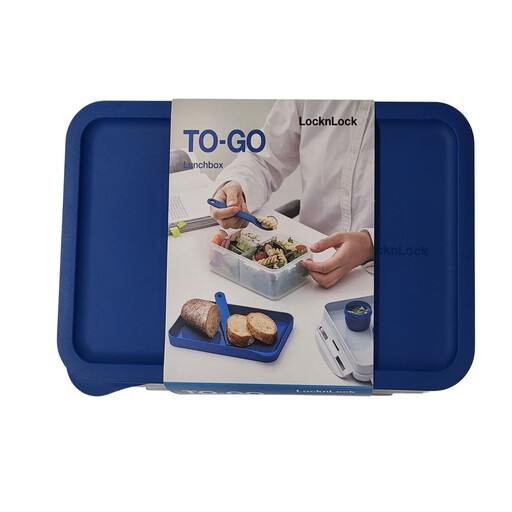
Why it’s a good match: This 1-litre box has three removable compartments, cutlery and a sauce pot. According to the product details, it’s suitable for the freezer and dishwasher, and for use in the microwave without the lid.
The removable compartments make cleaning easier and keep foods separate. Remove the lid completely before heating.
1,000 ml capacity, four-sided clips, cutlery and a sauce pot.
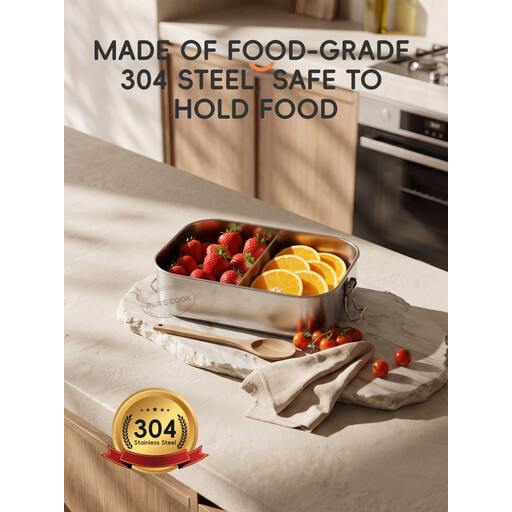
Why it’s a good match: This stainless steel container has two sections, metal clips and a removable silicone seal. With a capacity of 61.2 fl oz, or around 1.8 litres, it’s designed for larger meals.
The removable seal can be cleaned separately. As the container is stainless steel, you don’t need to worry about whether it’s suitable for the microwave.
304 stainless steel, two compartments and a generous capacity, with dimensions of 18 × 15 × 6.7 cm.
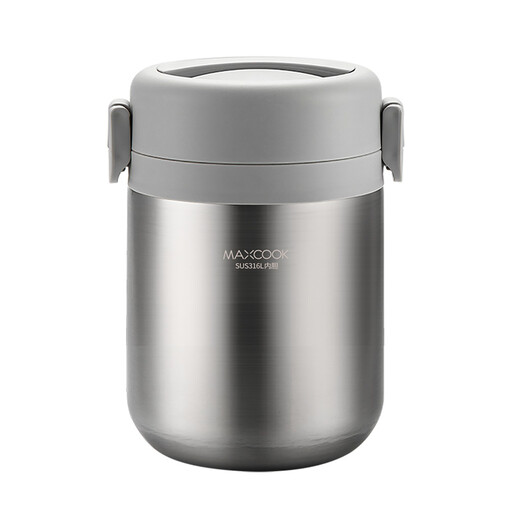
Why it’s a good match: The wide opening makes it easier to fill and eat soup, stew and other hot meals. Its vacuum insulation is designed for anyone who needs to carry food for several hours.
The product details clearly state that it should be hand-washed and not used in the microwave. This helps prevent misuse of an insulated food jar.
316 stainless steel, 1.5-litre capacity, wide opening and vacuum insulation.
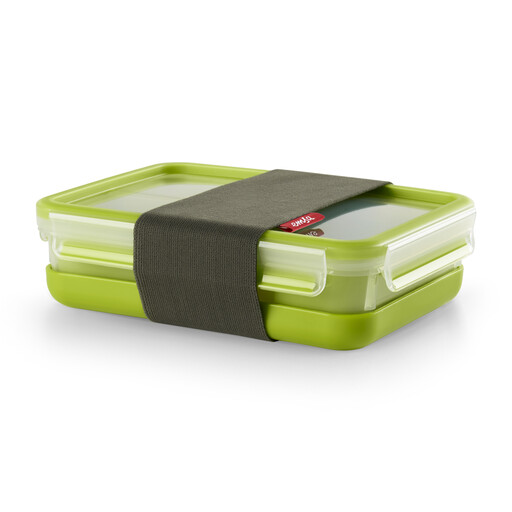
Why it’s a good match: Three inserts, a separate plate and a securing strap let you create different combinations for school, the office, travel and days out.
Make sure the seal is fully closed before carrying the box. The product details also give a temperature range of −40 °C to +110 °C for the intended uses.
1.2-litre capacity, three inserts and, according to the product details, suitability for the dishwasher, freezer and microwave.
We’ve put together a complete, regularly updated list of products that meet these strict selection criteria and fully comply with the safety regulations in force in the EU.
Before using your lunch box for the first time, check the care instructions for your particular model. For a leakproof lunch box, these steps are especially helpful:
For soup, a wide-mouthed insulated food jar with a tightly fitting lid is more practical than a shallow bento lunch box. Check its capacity, ease of use and cleaning instructions. An insulated food jar must not usually be used in the microwave.
Look for a seal that runs all the way round, several clips and clear guidance on how the box should be used. First, fill it with water and test it over the sink. This simple test doesn’t replace the manufacturer’s guidance, but it can reveal if the seal isn’t fitted correctly.
Its lifespan depends on the material, how it’s used and cleaned, and the condition of the seal. Plastic can warp when exposed to heat or direct sunlight, while stainless steel can dent if dropped. Replace the lid or seal if you notice cracks, significant warping or persistent leaks.