
Lieferung heute & morgen

Qualitätsgarantie

Willkommens-Angebote freischalten: KOSTENLOSE Lieferung | Bis zu 80 % RABATT | Kostenlose 30-Tage-JoyPlus-Testphase
App herunterladen
A leakproof lunchbox needs to do more than just hold sandwiches and fruit. People commuting to work use theirs to carry salads, yoghurt or ready meals; schoolchildren need separate compartments for snacks; and when travelling, a secure closure and easy cleaning are essential. So it’s not just capacity that matters, but how the seal, fastenings, inserts and material work together.
A marketing claim means little if there’s no information about the seal, the fastening or how to use the lunchbox correctly. Check whether the lid seals all the way around and whether all the clips close securely. Even a good seal can’t reliably contain liquids if the box is overfilled or carried at an angle in a bag.
A lunchbox with compartments is useful as long as the dividers stay firmly in place and the lid covers them properly. Loose inserts can shift during transport. Removable sections are also important if you want to keep different foods separate or heat them individually.
Not every lunchbox is automatically suitable for all temperature ranges. Look for clear manufacturer’s information on whether the lunchbox is dishwasher-safe, as well as guidance on microwave use and freezer storage. Depending on the model, you may need to open, loosen or remove the lid before using it in the microwave. Check the seal regularly, as residue can affect how well it works.
A 1.2 l lunchbox is suitable for a compact meal with snacks. For larger portions or meal prep, a capacity of around 2 l or more may be a better choice. Also compare the external dimensions with your work bag, school bag or rucksack. A large internal capacity is no use if the box won’t fit in the compartment you have.
With an airtight lunchbox, the lid and seal should fit together precisely. Useful features include:
A lunchbox with a freshness seal can help protect food from the outside during transport. However, the name alone doesn’t tell you whether the lid needs to be fully closed or which foods the manufacturer recommends carrying in it.
For everyday use, a BPA-free lunchbox is a good choice, provided the manufacturer explicitly states that it is BPA-free. You should also check the approved temperature range. According to the product information, the Emsa 518098 Clip & Go Lunchbox is suitable for temperatures from -40 °C to +110 °C and is designed for use in the dishwasher, microwave and freezer.
When using the microwave, follow the instructions for your particular model. Even if a lunchbox is described as microwave-safe, the lid may not be suitable for being fully closed. You should also avoid filling a freezer-safe lunchbox right to the top, as liquids expand when frozen.
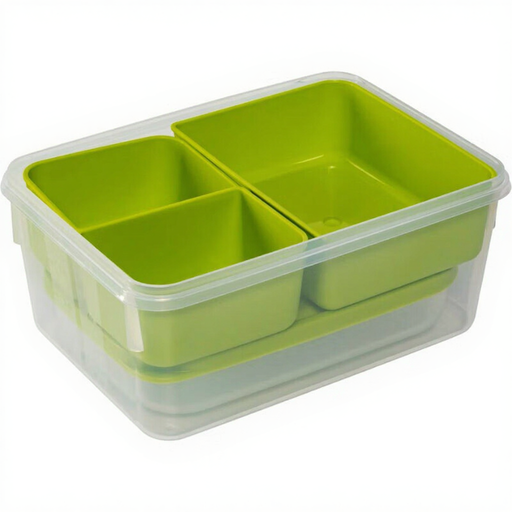
Why this product suits this user: Its 2.3 l capacity gives you room for larger meals and meal prep. An insert helps keep food separate for everyday use.
The product information specifies an airtight clip fastening and BPA-free plastic. This makes the key details about the material and fastening clear.
2.3 l capacity, an insert, an integrated fill-level scale, and information on dishwasher, freezer and microwave use.
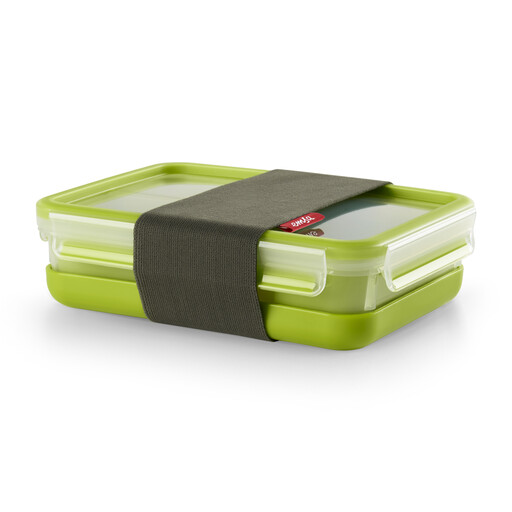
Why this product suits this user: Three inserts and a separate plate make it easy to organise a meal for work, school or on the go. Its 1.2 l capacity keeps it compact.
The product features include a freshness seal, three inserts and a separate plate. According to the product information, the box, lid and inserts are suitable for the dishwasher, microwave and freezer.
1.2 l capacity, three removable inserts, a separate plate, a securing band and a stated temperature range of -40 °C to +110 °C.
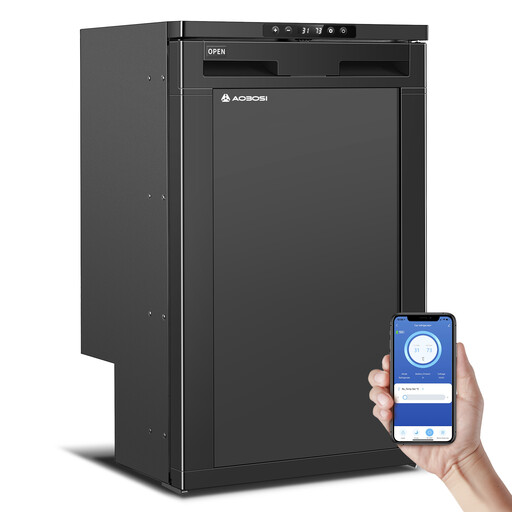
Why this product suits this user: For road, boat, lorry or motorhome trips, a portable compressor cool box offers a different solution from a standard lunchbox.
The product description specifies compressor cooling, a 12/24-V DC power supply and app control. This makes it easier to understand how the cool box is used and what it requires.
83 l capacity, LED lighting, app control and a stated temperature range down to -20 °C.
We’ve put together a complete, regularly updated list of products that meet these strict selection criteria and fully comply with the safety regulations in force in the EU.
To keep your lunchbox in good condition for longer, follow a few simple routines:
It depends on the design and the manufacturer’s information. A seal that runs all the way around and a secure fastening are important. Let hot liquids cool before closing the lid, and don’t overfill the box. Also check whether the manufacturer specifically says it’s suitable for liquid foods.
Its lifespan depends on the material, cleaning, exposure to different temperatures and the fastening mechanism. Dishwasher-safe models should be cleaned according to the care instructions. If the seal or clips become brittle, warped or damaged, it’s worth replacing the affected parts or the whole box.
A compressor cool box uses electricity, for example via a 12/24 V connection in a vehicle. Actual power consumption depends on the ambient temperature, the target temperature, the insulation and how long it runs. Before buying, check that the power consumption and connection type suit your planned use in a car, motorhome or boat.