
Lieferung heute & morgen

Qualitätsgarantie

Willkommens-Angebote freischalten: KOSTENLOSE Lieferung | Bis zu 80 % RABATT | Kostenlose 30-Tage-JoyPlus-Testphase
App herunterladen
Transporting a leakproof lunchbox sounds straightforward. In practice, however, several details need to work together: the closure, seal, fill level and intended use. For professionals, schoolchildren, students and families, an unsuitable food container can quickly lead to spilled soup, mixed-together foods or unnecessary cleaning.
As a Joybuy Product Recommendation Officer, I provide an objective overview of the most important product details and explain which features you should check before buying.
A box may be suitable for solid foods but show weaknesses with soup, dressing or very runny foods. A continuous seal and a closure that presses the lid down evenly are essential. A damaged silicone ring or a clip that has not been closed fully can also affect the seal.
A bento lunchbox or lunchbox with compartments is practical when you want to keep different foods separate. However, fixed dividers reduce the usable space. For a large main course or meal prep, a single sealed interior may be more suitable than several small compartments.
“Microwave-safe” often applies only to the container. Depending on the product, the lid, seal or steam valve may need to be removed or opened. Several models also have a specific temperature limit. The individual instructions for use take priority over general advertising claims.
Look for clearly described closure systems:
For soups and sauces, a tightly sealing food container with as little movement as possible between the lid and box is a sensible choice. Carbonated drinks and dry ice should not be placed in ordinary lunchboxes, as they can create pressure.
For everyday use, the dimensions are often more important than the largest possible litre capacity. Check whether the box fits in your work bag, school bag or fridge compartment.
With a meal prep box, you should also check whether the compartments are permanently integrated or removable. Removable inserts make portioning easier, but can mean extra individual parts to clean and store.
A stainless steel lunchbox is low-odour and robust. However, stainless steel containers are not suitable for use in a microwave. With plastic boxes, details such as BPA-free construction and suitability for food contact are important. The temperature range should also be stated.
A dishwasher-safe food container saves time in everyday use, but seals can wear out more quickly when exposed to frequent heat and harsh detergents. Only place lids and sealing rings in the dishwasher if this is expressly permitted. After cleaning, all parts should be completely dry before the box is closed.
For hot soups or stews, a thermal food container may be worth considering. Depending on their design, vacuum-insulated models keep food hot or cold for a limited period. They are generally not suitable for microwaves or dishwashers and should be preheated or pre-cooled according to the manufacturer’s instructions before use.
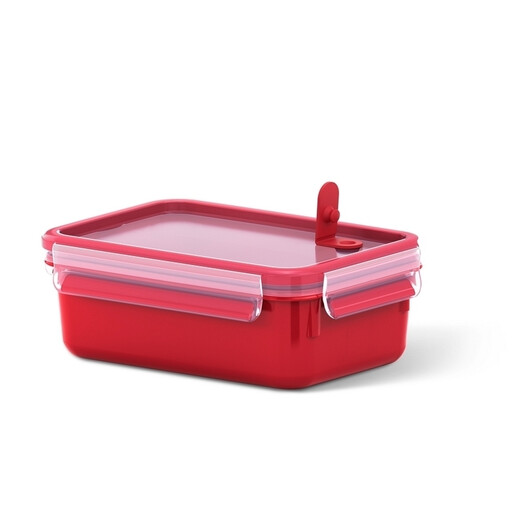
Why this product suits this profile: With a capacity of 0.8 litres, it is suitable for individual meals at the office, at school or on the go. The container is made from BPA-free polypropylene and, according to the product details, features a steam valve.
The product details explicitly state that the lid is leakproof. When heating the food, the steam valve must be opened, clearly separating the microwave function from the transport function.
0.8-litre capacity, BPA-free material and suitability for the microwave, freezer and dishwasher according to the product description.
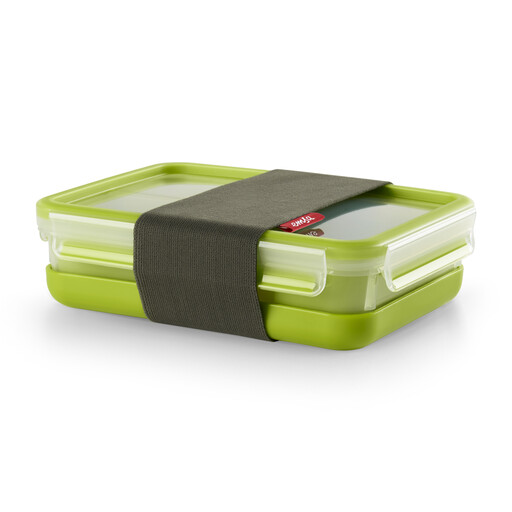
Why this product suits this profile: Three inserts and a separate plate element appeal to users who want to transport a main course, side dish and snack separately.
The product details mention a freshness seal and a securing strap. They also state the temperature limits of -40 °C to +110 °C for the intended applications.
1.2-litre capacity, three inserts and, according to the product description, dishwasher-, microwave- and freezer-safe.
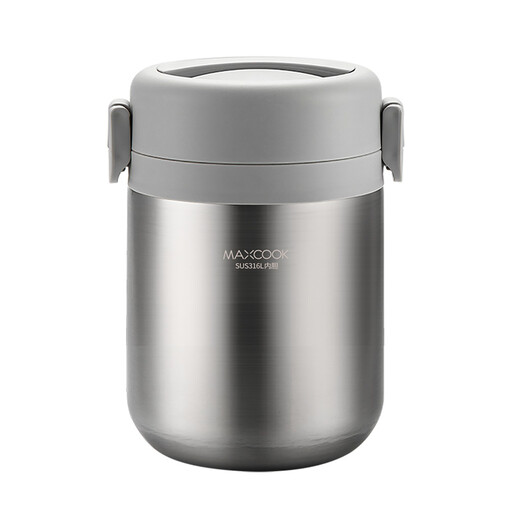
Why this product suits this profile: The wide opening and vacuum insulation are suitable for soups, stews and hot meals during commutes, outdoor activities or longer working days.
The product description points to a tightly sealing lid. At the same time, it makes clear that the container must not be placed in a microwave and that the components are not dishwasher-safe.
316 stainless steel, 1.5-litre capacity, wide opening and vacuum insulation according to the product details; designed to be cleaned by hand.
We have put together a complete, regularly updated list of products that fully meet these strict selection criteria and the safety regulations applicable in the EU.
Even a sturdy leakproof lunch box will only remain reliable if it is used correctly:
For soup, choose a container with an explicitly described seal, a continuous silicone gasket and a secure closure. A thermal food container is also useful if you want the meal to stay hot for longer. Before buying, check whether the container must be transported upright.
Its lifespan depends on the material, use, cleaning routine and condition of the seal. There is no standard service life for all models. Check the sealing ring and closures regularly. If there are cracks or permanent deformation, the food container should no longer be used.
That depends on the model. Often, only the container may be heated without the lid; some products feature a steam valve. Details such as “BPA-free lunchbox”, dishwasher-safe or freezer-safe do not replace the specific operating instructions. Always check the guidance provided by the relevant manufacturer.