
Lieferung heute & morgen

Qualitätsgarantie

Willkommens-Angebote freischalten: KOSTENLOSE Lieferung | Bis zu 80 % RABATT | Kostenlose 30-Tage-JoyPlus-Testphase
App herunterladen
A lunchbox should transport meals reliably, be easy to clean every day and suit your eating routine. However, unclear product information and eye-catching marketing claims often lead to disappointing purchases. In particular, professionals, schoolchildren and families should check before buying whether a lunchbox is genuinely suitable for liquid foods, the microwave or the freezer.
Simply describing a lunchbox as leak-proof is not enough information on its own. What matters is a continuous sealing ring, sturdy fastenings and clear instructions for use. With a basic food storage container with a loosely fitting lid, soups, dressings or sauces may leak during transport. For a rucksack or work bag, clip fastenings and documented leak-proof performance are therefore important.
“Microwave-safe” does not automatically mean that the completely closed container can be heated. The lid often needs to be removed or a steam valve opened. Otherwise, pressure may build up. A lunchbox for microwave use should also specify temperature limits and safety information. Ovens, hobs and direct heat are not automatically permitted for the plastic and stainless-steel containers considered here.
A lunchbox with compartments may seem practical, but it can be unsuitable for large portions or moist foods. Fixed dividers cannot be adjusted flexibly. Removable inserts offer greater versatility, but require additional cleaning. If you only need to transport a sandwich, you will generally not need a complex bento box. For meal prep, salads, side dishes and snacks, a multi-compartment solution may be more suitable.
Common sizes for a single meal range from around 750 millilitres to 1.5 litres. A compact 750 ml food storage container is better suited to smaller portions, fruit or leftovers. Capacities of 900 to 1,000 ml provide more room for a complete lunch. Large 1.5-litre containers are worth considering if you want to transport several components or a larger meal.
The external dimensions matter just as much as the capacity. Depending on its shape, a 1-litre box may fit into a bag better or worse. So check the length, width and height, as well as the container’s own weight. Glass containers, for example, are often heavier than plastic models.
For a BPA-free lunchbox, the claim should be verifiable in the product information or on the packaging. BPA-free means that bisphenol A is absent; it does not, however, provide any information about all the other properties of the material. Polypropylene is commonly used for food containers and, depending on the design, may be approved for use in the microwave, freezer and dishwasher.
Stainless steel is odour-resistant and robust, but must not be used in the microwave. Glass makes the contents easy to see and is suitable for many foods, but increases the weight and can break if knocked. Whatever the material, seals, lids and containers should be checked regularly for cracks, deformation or porous areas.
Look for specific information about:
Describing a lunchbox as dishwasher-safe does not necessarily mean that every accessory can be treated in the same way. When using it in the microwave, the lid often needs to be removed. When freezing food, leave enough room for it to expand.
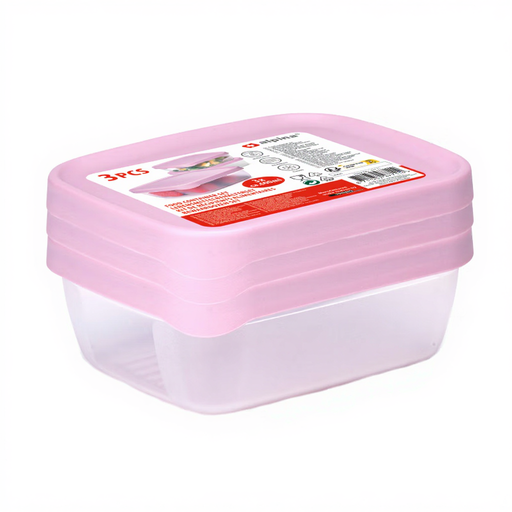
Why this product suits this profile: The set contains three boxes in different sizes, making it suitable for snacks, leftovers and prepared portions at home.
The transparent containers make it easier to check the contents. Before transporting and using them, check the packaging for information about the lids and whether they are approved for the dishwasher, microwave and freezer.
Three sizes, stackable design and BPA-free specification according to the product description.
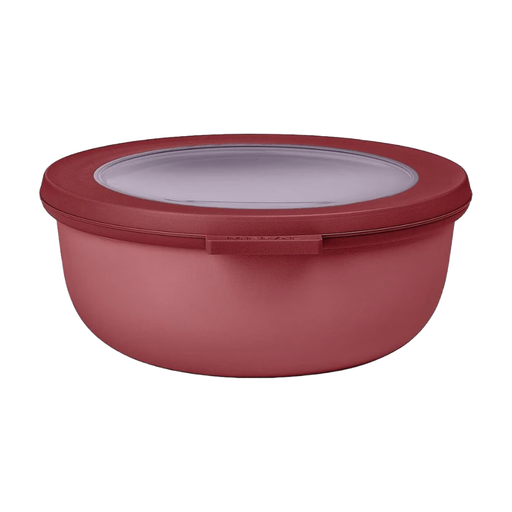
Why this product suits this profile: This round food storage container combines storage, freezing, reheating and serving in one container.
The specifications explicitly state that it can be used in the microwave without the lid and that the maximum temperature is 110 °C. This makes the limits of use clearer.
750 ml capacity, airtight lid, stackable and nestable shape, plus dishwasher and freezer suitability according to the product information.
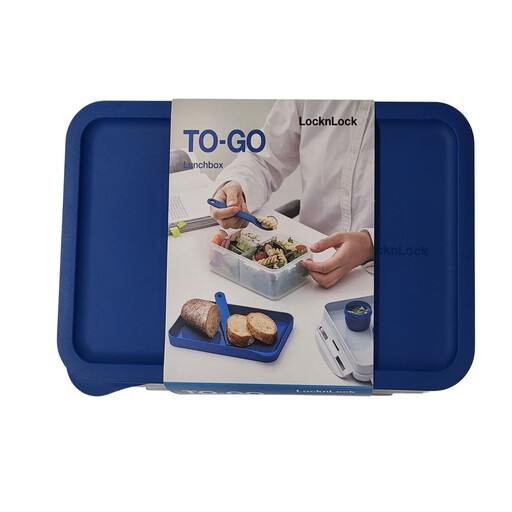
Why this product suits this profile: Three removable compartments, a cutlery set and a sauce container support varied meals at work, school and while travelling.
The four-sided locking mechanism and silicone seal help prevent liquids from escaping. The lid must be removed completely before heating.
1,000 ml capacity, three removable compartments, cutlery and sauce container; according to the product information, suitable for the microwave without the lid, freezer and dishwasher.
We have put together a complete, regularly updated list of products that fully meet these strict selection criteria and the safety regulations applicable in the EU.
For a standard lunch, 900 to 1,000 ml is often practical. If you are only taking a sandwich and fruit, 600 to 800 ml may be sufficient. For large portions or several meals, models from 1.2 litres upwards are a sensible choice.
No. The claim should be supported by specific information about the closure and seal. Before transporting it, test the box with water. For boxes without confirmed leak-proof performance, liquid foods should be packed separately.
Containers, lids and seals should be cleaned after every use with warm water and mild washing-up liquid. If the lunchbox is dishwasher-safe, follow the manufacturer’s instructions. Individual parts should be allowed to dry completely to prevent odours or moisture from collecting beneath the seal.