
Lieferung heute & morgen

Qualitätsgarantie

Willkommens-Angebote freischalten: KOSTENLOSE Lieferung | Bis zu 80 % RABATT | Kostenlose 30-Tage-JoyPlus-Testphase
App herunterladen
A leakproof lunch box needs to do more than simply store food. It must stay sealed in your rucksack, be easy to clean hygienically and suit your everyday meals. The features that matter most can vary for professionals, school pupils, students, parents and outdoor enthusiasts.
Many disappointing purchases come down to claims that haven’t been properly tested in everyday use. Three common pitfalls are particularly worth watching out for:
Look for a multi-sided closure system, sturdy clips and a removable or easily accessible silicone seal. A compartmentalised lunch box should keep the sections separate and seal securely around the outside edge.
For liquid foods, test the box at home with water first. Stand it upright, then check the lid, corners and closure for moisture. With a soup container, keeping it upright is also essential. Even a tightly sealed lid shouldn’t be turned upside down or shaken vigorously unless the manufacturer says this is safe.
Common materials include plastic, stainless steel and glass. Polypropylene (PP) is lightweight and often used for bento lunch boxes. 304 stainless steel is a popular material for reusable food containers. 316 stainless steel is also used for robust containers, but the material designation alone doesn’t tell you everything about the product’s overall quality.
Also check:
Always consider material details alongside the care instructions. A stainless steel lunch box, for example, isn’t automatically microwave-safe. As a rule, metal should never go in the microwave.
A compact, leakproof lunch box may be enough for a sandwich, fruit and snacks. A lunch with a side dish often needs more room. A capacity of 1.0 litres is a common starting point for many lunch boxes for work and school, while insulated food jars with a capacity of 1.4 to 1.5 litres can hold larger portions or soup.
Before you buy, measure the space available in your bag, rucksack or office drawer. A container with cutlery can be handy, but it will take up more room. For meal prep, a stackable shape is useful. If you want to carry hot food for several hours, consider a thermal lunch box or insulated soup container rather than a standard meal prep box.
The products below vary in their materials, compartments, heat retention and care requirements. Details are based on the information provided for each product.
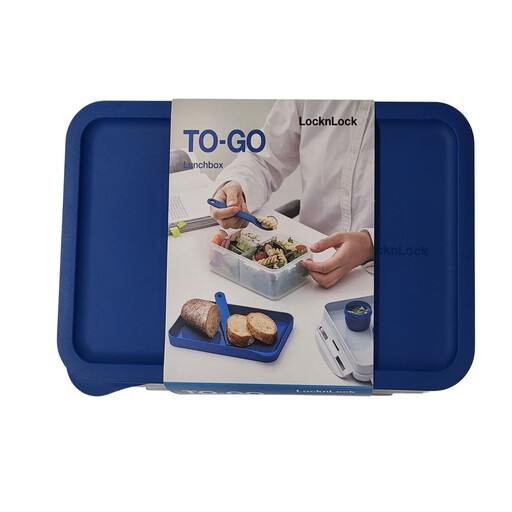
Why it suits this profile: This 1-litre polypropylene lunch box has three removable compartments, cutlery and a sauce container, making it suitable for carrying meals every day.
According to the product information, it has a four-sided closure and an airtight, watertight design. The lid must be removed completely before microwaving.
Three removable compartments, plus a knife, fork, spoon and sauce container; according to the product information, it is dishwasher- and freezer-safe.
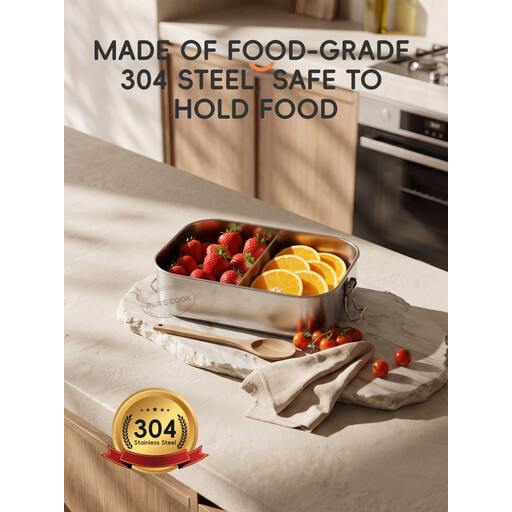
Why it suits this profile: This container combines 304 stainless steel with two separate compartments. It’s a good option if you want to avoid plastic or are looking for a sturdy lunch box for everyday use.
The product description specifies locking clips, a removable silicone seal and a leakproof design. Make sure the seal and clips are correctly in place before carrying it.
304 stainless steel, two compartments and a dishwasher-safe design, according to the product description.
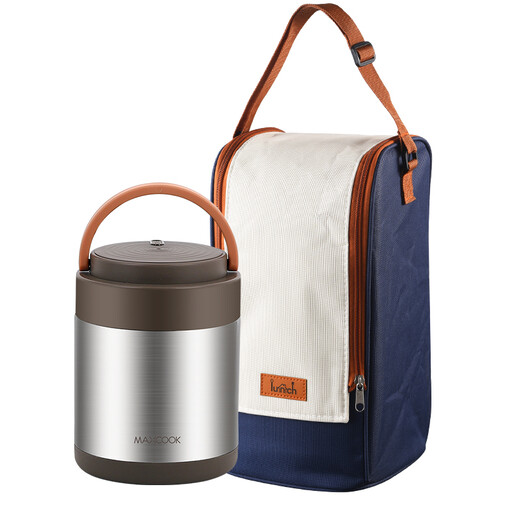
Why it suits this profile: This wide-neck insulated container is designed for soup, stews and other hot or cold meals to take to work, on trips or for outdoor activities.
The product information specifies a tightly sealing lid and advises against turning the container upside down. According to the care instructions, the lid should be washed by hand.
304 stainless steel, vacuum insulation, a capacity of 1.4 litres and a wide opening for filling and cleaning.
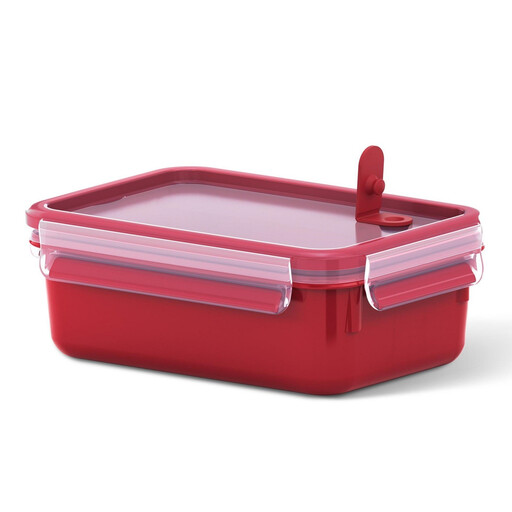
Why it suits this profile: This rectangular lunch box is designed for prepared meals that you want to heat up at work.
According to the product information, a valve lets you heat food in the microwave without removing the lid completely. The valve must be opened first.
1 litre capacity, clip closure, freezer- and dishwasher-safe according to the product information, plus a separate steam valve.
We’ve put together a complete, regularly updated list of products that meet these strict selection criteria and fully comply with the safety regulations in force in the EU.
A leakproof lunch box will stay in good working order when used as intended. Clean the container, lid, compartments and seals after every use. Remove the seal if it is designed to be removed, and let all the parts dry completely before putting them back together.
For a microwave-safe lunch box, follow the manufacturer’s instructions: remove the lid or open the valve, observe temperature limits and avoid direct heat. Stainless steel containers and thermal food jars must not go in the microwave. Check seals regularly for cracks, warping and persistent odours. If you spot any damage, stop using the container for food.
A suitable seal, a fully closed fastening and correct filling are all essential. Don’t fill liquid foods right to the brim. Test the container with water before using it for the first time and, where possible, carry it upright.
A tall soup container or vacuum-insulated food jar with a wide opening is usually more practical for soup than a shallow bento lunch box. Look for a tightly sealing lid, enough capacity and clear instructions on whether the container needs to be washed by hand.
Its lifespan depends on the material, how it’s used and cleaned, and the condition of the seal. Regular checks are more useful than a general estimate of how long it should last. Replace the lunch box if the lid, clips or seal are damaged, or if it no longer closes securely.