For your first Python scripts, a compact, fully equipped desktop PC is usually the simplest place to start. Microsoft’s published requirements for VS Code alone don’t justify a powerful gaming PC. Choose based on the space you have, the monitor connections you need and exactly what’s included. More memory or room to upgrade becomes more important if you plan to use several development tools or work on larger projects.
Who is a small desktop PC right for?
Python beginners with limited space
You want to use an editor, browser and your first scripts at a small, permanent workstation, and choose a computer that’s as easy to set up as possible. Microsoft points out that Python and the interpreter need to be set up separately from VS Code.
Learners planning to upgrade
You’re starting with Python but may want to use more tools or work on larger projects later. Check the RAM and SSD actually installed, as well as the upgrade options available for the specific version.
Learners with an existing monitor
You want to connect a compact desktop PC to devices you already own. Check that its video connections, the input devices you need and what’s included all suit your workspace. For example, MSI lists HDMI, Thunderbolt and VESA specifications for the Cubi NUC 1M.
What should you look for when buying?
Fully equipped Windows mini PC
A good fit if: you want to get started with a compact setup without choosing the RAM and SSD yourself.
The trade-off: specifications and connections vary by configuration, so the model range name alone isn’t enough to make a comparison.
Barebone mini PC
A good fit if: you want to choose and install the RAM, SSD and, where applicable, operating system yourself.
The trade-off: GMKtec also offers a barebone version of the NucBox M6 Ultra without RAM, SSD or operating system, so check exactly what’s included in the offer.
Mac mini
A good fit if: you want to use macOS and your existing devices are compatible with the connections on the specific model.
The trade-off: the Mac mini (2024) comes in M4 and M4 Pro versions and different storage capacities. You’ll also need a Python interpreter to use VS Code.
Compact desktop PC with upgrade options
A good fit if: you’re planning to replace components later and the specific configuration is confirmed to offer suitable upgrade options.
The trade-off: processor and operating system can vary between configurations in ranges such as the HP Pro Mini 400 G9.
When learning Python at a small desk, first check the space you have and exactly what you’ll need for a complete setup.
| What matters when buying |
What to check |
Who should consider this? |
| Size and placement |
Check the dimensions of the exact version, allow room for cables and, if needed, make sure a monitor mount is explicitly compatible. |
If I need to make the most of every centimetre of a small desk, placement is especially important to me. Around 29% of consumers prioritise desk space. |
| Performance for your learning routine |
Compare the programmes you plan to use with the CPU, installed RAM and SSD in the specific version. |
If I want to use an editor and other tools at the same time, I want the specifications to suit my learning routine. Around 23% of consumers prioritise performance that suits learning software and multitasking. |
| A complete workstation |
Check the installed RAM, SSD, operating system and included input devices for the exact offer. |
If I might still need devices or components to complete my workstation, I want to know what’s included before I buy. Around 18% of consumers focus on the total cost of a ready-to-use workstation. |
| Connections and set-up |
Check that the PC’s video connection matches your monitor, and plan to install the Python interpreter and editor separately. |
If I want to keep using my existing peripherals, the connections and set-up should work with them. Around 18% of consumers prioritise connections and an easy start. |
| Future upgrades |
Distinguish the installed specifications from the maximum supported specifications, and check the exact version for upgrade options. |
If I want to add components later, I need to know what can actually be upgraded. Around 12% of consumers prioritise future upgradeability. |
Common buying mistakes
-
Assuming a barebone costs the same as a complete PC
A barebone may be sold without RAM, an SSD or an operating system. COMPUTER BILD lists these components as missing from the Intel NUC shown on its site; GMKtec also offers a barebone option for the NucBox M6 Ultra.
Before comparing prices, check which components and operating system are included with the specific version.
Depending on the version, you may need to budget separately for RAM, an SSD, an operating system or peripherals.
-
Assuming the model range name tells you what’s included
Processors, operating systems and connections can differ within a model range. Specifications for one HP configuration don’t automatically apply to another.
Compare the full model number, operating system, installed memory and video outputs listed for the specific offer.
-
Choosing an overpowered mini PC just in case, for your first scripts
Microsoft’s requirements for VS Code aren’t a guide to the requirements of every additional programme or larger project. Any extra performance should be matched to a specific workflow you have planned.
Make a note of the tools you actually plan to use at the same time, then choose any extra capacity to suit those needs.
Brands and model ranges at a glance
GEEKOM
The A5 Pro 2026 Edition is an example of a pre-configured mini PC.
- GEEKOM lists 16 GB RAM and a 1 TB SSD for the version with Ryzen 5 7530U.
- Specifications and upgrade options depend on the specific version, so check the product variant.
MSI
The Cubi NUC 1M range is an example of a compact desktop PC to consider if you want to use an existing monitor or may want to upgrade the memory.
- For the range, MSI lists specifications including HDMI, Thunderbolt and VESA, as well as RAM slots.
- The range includes different processors and operating systems, so check the full details of the offer to find the right version.
GMKtec
The NucBox M6 Ultra represents a model range with both pre-configured and barebone versions.
- The manufacturer offers versions with RAM and an SSD, as well as a barebone version.
- According to the manufacturer, the barebone version doesn’t include RAM, an SSD or an operating system. Check what’s included with the specific version before buying.
HP
The Pro Mini 400 G9 is a compact business desktop range with a variety of configurations.
- HP documents different processors and pre-installed operating systems.
- According to HP, components vary by configuration. Check the full product number rather than assuming details apply across the whole model range.
Apple
The Mac mini (2024) is a compact desktop option running macOS.
- For this model year, Apple lists M4 and M4 Pro options, as well as different storage capacities.
- To set up Python for VS Code, you’ll need a suitable Python interpreter. Also check the model version and storage capacity.
Joybuy products for a small desk
This selection includes compact mini PCs for a Python learning workstation, including Windows models and a Mac mini. For each offer, check the specifications listed for that specific product and make sure its connections work with your existing devices.
 No image available
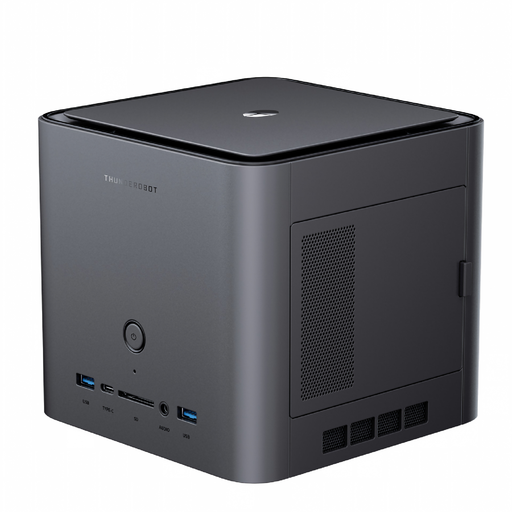
Thunderobot AI Max+ 395 mini PC, 128 GB LPDDR5X, 1 TB SSD
Described as a mini PC and desktop workstation. Check that the operating system and monitor connections suit your learning setup.
128 GB LPDDR5X at 8000 MT/s; 1 TB SSD.
The title also mentions a side-mounted SSD interface and a quick-release network card interface.
View at Joybuy
 No image available
Apple Mac mini M6, 16 GB Unified Memory, 256 GB SSD
A compact macOS option if your existing devices are compatible with the connections on this version.
12-core CPU, 12-core GPU, 16 GB Unified Memory and 256 GB SSD.
The title lists HDMI and Thunderbolt 4. Python and the interpreter need to be set up separately for VS Code.
View at Joybuy
 No image available
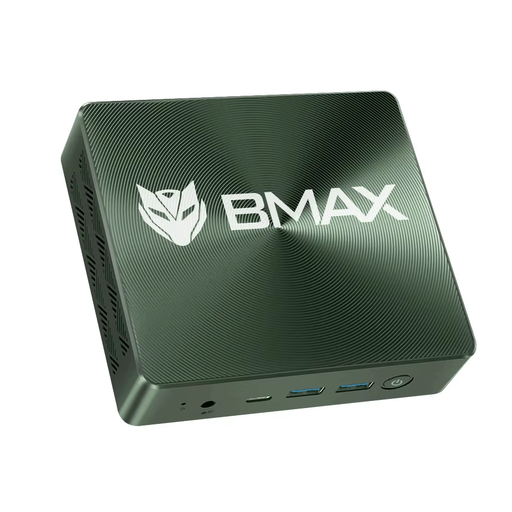
BMAX B6 Pro mini PC, Intel Core i5-1030NG7, 16 GB LPDDR4, 512 GB NVMe SSD
A pre-configured Windows option for a compact learning setup. Check that its video outputs match your monitor.
Windows 11, 16 GB LPDDR4 and 512 GB NVMe SSD.
The title lists Wi-Fi 5 and triple 4K display output.
View at Joybuy
 No image available
ACEMAGIC AK1PLUS mini PC, Intel Celeron N5095, 16 GB LPDDR4X, 256 GB SSD
A compact Windows 11 Pro mini PC. Check that the HDMI connection works with your monitor.
Intel Celeron N5095 (4C/4T), 16 GB LPDDR4X and 256 GB M.2 2280 SATA SSD.
The product title lists HDMI 2.0 and 4K/60Hz.
View at Joybuy
 No image available
ACEMAGIC E3B mini desktop, AMD Ryzen 7 7735HS, 24 GB LPDDR5, 512 GB NVMe SSD
A Windows 11 Pro option if you have a specific use for the listed display connections or memory slots.
The title lists two M.2 2280 slots, support for up to 4 TB, HDMI, DisplayPort and USB-C.
Also listed: triple display 4K@60Hz, 2.5G LAN and Wi-Fi 6.
View at Joybuy
Frequently asked questions
Do I need a gaming PC or a dedicated graphics card for my first Python exercises?
Microsoft’s published requirements for VS Code alone don’t justify one. They don’t guarantee performance with additional tools or larger projects, so choose any extra capacity to suit your actual workflow.
Is Python included in the VS Code extension?
No. Microsoft explains that the Python extension doesn’t include the interpreter. For the introductory tutorial, you’ll need to set up Python 3, VS Code and the Python extension separately.
What should I check before mounting a mini PC behind my monitor?
Check that the mounting points on the specific PC are compatible with your monitor and mount, and make sure the cables will still be accessible. MSI lists VESA 100 × 100 mm for the Cubi NUC 1M; this doesn’t automatically apply to other mini PCs.
What else should I budget for with a barebone mini PC?
It depends on the version on offer. A barebone may be supplied without RAM, an SSD or an operating system, so check exactly what’s included and budget for any missing components and the time needed to set them up.


