
Lieferung heute & morgen

Qualitätsgarantie

Willkommens-Angebote freischalten: KOSTENLOSE Lieferung | Bis zu 80 % RABATT | Kostenlose 30-Tage-JoyPlus-Testphase
App herunterladen
Finding the right learning tablet for kids aged 3+ can be a challenge for parents and grandparents. The market is flooded with products, all promising to be educationally valuable. Yet, not every toy advertised as "learning-focused" holds up to closer inspection. Lavish marketing often conceals products with limited play value or design flaws.
This guide will help you separate the wheat from the chaff. We'll highlight the most common purchasing pitfalls and reveal the features that define a genuinely worthwhile educational toy—one that will still be enjoyed months later.
Before you make a decision, it's helpful to understand the typical problems that plague many seemingly attractive products:
To avoid a bad buy, you should carefully examine three core aspects. These features determine whether a toy offers long-term value for your child's development.
A good educational toy is defined by a well-thought-out concept. Instead of just reacting to stimuli, the child should be actively challenged. Look for an interactive learning toy that presents a clear task and provides feedback. For a toy designed for learning words, this could be the correct pronunciation of a word after the child taps on a picture. Systems based on flashcards for kids often provide a structured and expandable method for imparting knowledge.
At the age of three, toys are not always treated gently. A robust construction from high-quality materials like durable ABS plastic or solid wood is therefore essential. Look for the CE marking, which confirms that the product meets EU safety requirements. Edges should be rounded and small parts must be securely attached to eliminate any choking hazards.
Making a conscious choice for a screen-free learning toy has several advantages for young children. It fosters the ability to concentrate on a single task without being distracted by flashing animations. It also stimulates the imagination, as the child processes the information they hear or learn into mental images. Lastly, it prevents eye strain caused by blue light, which is particularly important in the evening.
Based on the criteria above, we have identified several products suited for different developmental priorities. This selection serves as a guide to help you find the perfect gift for 3-year-olds or a meaningful addition to their daily playtime.
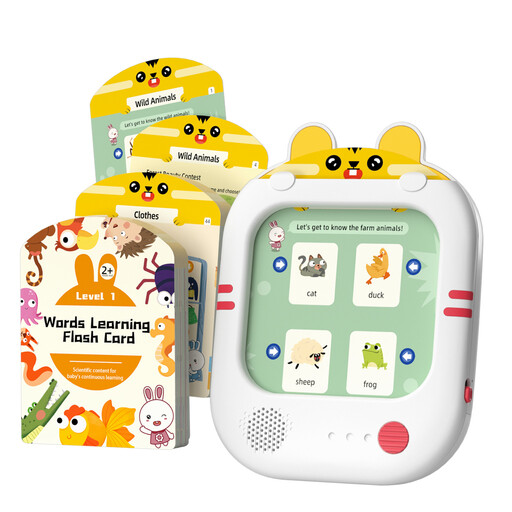
Why This Fits Their Persona: Ideal for parents who want to actively develop their child's vocabulary and logical reasoning without a screen. The system is designed for independent learning.
The Alilo Learning Tablet avoids the limited-content trap with 47 double-sided cards featuring over 180 words and logic games. Its screen-free design directly addresses the desire for focused, eye-friendly learning.
The combination of physical flashcards and an interactive pen with audio feedback creates a tactile learning experience. The integrated battery also makes it travel-friendly.
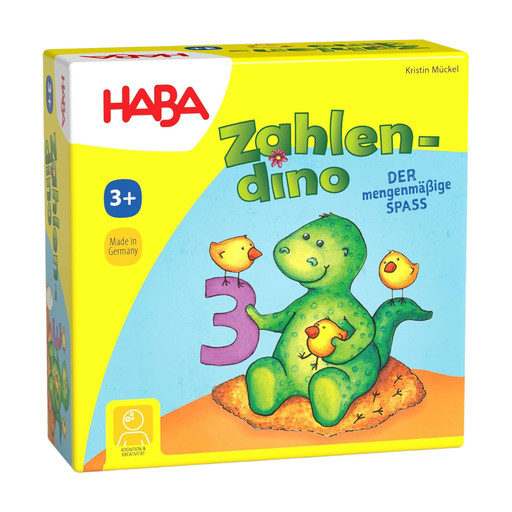
Why This Fits Their Persona: Perfect for families looking for a classic board game to playfully introduce counting and quantity recognition. It promotes interaction between parents and children.
This game relies on a proven, substantive game principle instead of empty marketing promises. As one of the classic logic games for toddlers, it offers clear educational benefits and long-term value thanks to its 3-8 year age range.
Promotes number sense by linking numerals to quantities. The game can be played alone or in a group of up to four players.
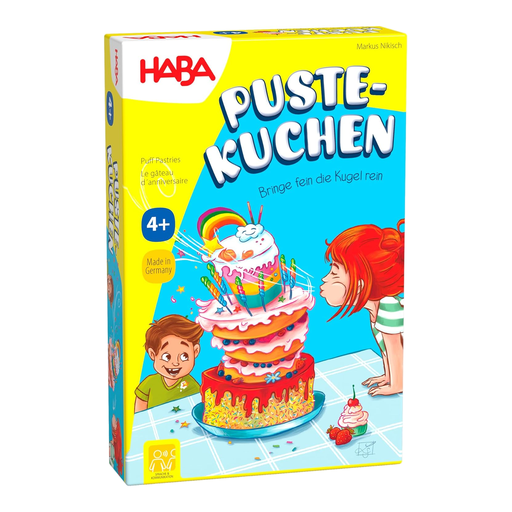
Why This Fits Their Persona: An excellent choice for parents who want to specifically improve oral motor skills, which are relevant for speech development. It's a game that requires concentration and a steady hand.
This game has a very specific and tangible developmental benefit that goes beyond general entertainment. It's not a generic toy, but a fun, targeted training tool. The 4+ age rating is precise.
Specifically trains lip and mouth motor skills through blowing. Two difficulty levels (beginner and advanced) ensure long-lasting engagement and adapt to the child's progress.
We have compiled a complete, up-to-date list of products that fully meet these strict selection criteria and UK safety regulations.
Your choice should be guided by three factors: the child's interests, their developmental stage, and your learning goals. Observe what your child enjoys playing with. If the focus is on language, interactive word-learning games might be a good fit. If they show an interest in numbers and shapes, initial logic games for toddlers or shape-sorting puzzles are a great choice. Always check the manufacturer's age recommendation and ensure the toy is robust and safely constructed.
Yes, for preschool-aged children, screen-free devices are a very sensible option. They promote concentration on a single task, stimulate the imagination, and prevent overstimulation from rapid on-screen animations. A screen-free learning toy like the Alilo Learning Tablet combines the interactive benefits of a tablet with the tactile and cognitive advantages of physical toys like books or flashcards.
The CE marking is not a quality seal but a declaration of conformity by the manufacturer. With this mark, the manufacturer confirms that the product complies with all applicable EU regulations. These include, among other things, mechanical and physical safety, flammability, and freedom from certain harmful chemicals. When buying toys for young children, the presence of this mark is a fundamental safety feature.