
Lieferung heute & morgen

Qualitätsgarantie

Willkommens-Angebote freischalten: KOSTENLOSE Lieferung | Bis zu 80 % RABATT | Kostenlose 30-Tage-JoyPlus-Testphase
App herunterladen
As a Joybuy Product Recommendation Officer, I see every day how parents want the best for their children. A learning tower, often called a kitchen helper, is a wonderful tool for safely including toddlers in daily activities at eye level. But the market is flooded with models, and their differences are hard to spot at first glance. The wrong choice not only leads to frustration but can also pose a safety risk.
This guide will help you identify the crucial features and avoid common purchasing pitfalls, so you can make an informed decision.
Many products promise more than they deliver. Pay close attention to these three points to avoid a bad investment:
To avoid the pitfalls mentioned above, you should check three key aspects before buying. These define the safety, durability, and practical use of a learning tower.
A safe step stool for children must be one thing above all: stable. Tip-over protection is the most important criterion. Look for the following features:
Children grow in spurts. A height-adjustable learning tower is therefore not an option, but a necessity for long-term, safe use. The ideal standing height for a child is when the worktop is at about their stomach to chest level.
A learning tower that grows with your child is a sustainable investment that brings joy from about one year of age into the preschool years.
The material affects not only the appearance but also the safety and durability. A wooden learning tower is a popular choice, but there are differences:
Here are some models that, based on objective features, represent a considered choice for different needs and profiles.
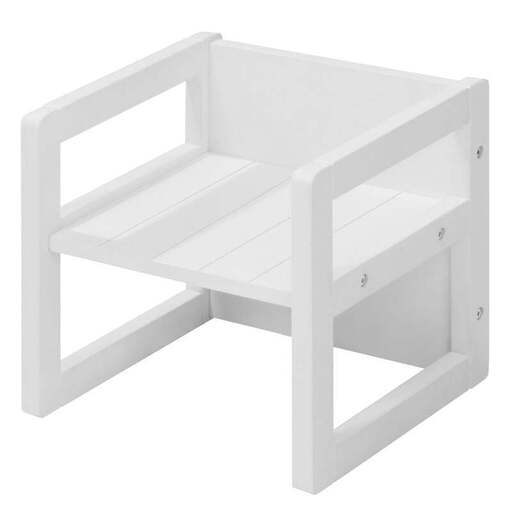
Why this model is a good fit: This product is more than just a stool. It's a 3-in-1 solution that serves as a stool, table, or step-up. Ideal for families looking for flexible furniture that adapts to different situations and isn't just for the kitchen.
It bypasses the "one-size-fits-all" trap with a clever rotating design that offers three different seat or step heights (14 cm, 18 cm, 29 cm), allowing it to grow with the child.
Made from lacquered MDF with no sharp edges or pinch points. According to the manufacturer, the load capacity is approx. 60-80 kg, which indicates a stable construction.
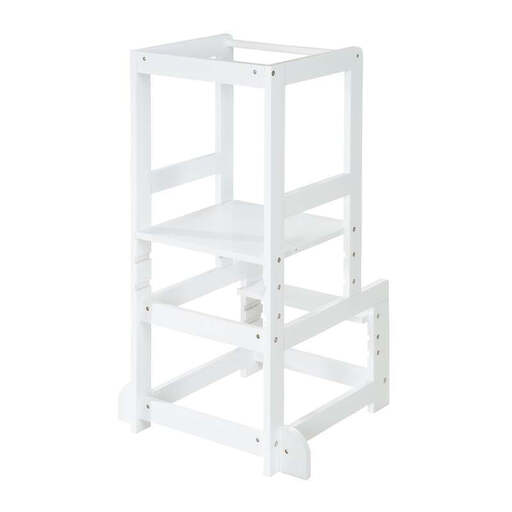
Why this model is a good fit: This model is a classic Montessori learning tower, designed to promote a child's independence. It provides a safe, enclosed platform specifically for activities at the worktop or sink.
The standing platform and footplate are height-adjustable. This makes it a learning tower that grows with the child, consistently avoiding the "one-size-fits-all" trap and ensuring ergonomic use for years.
The robust construction can support up to 80 kg and is delivered fully assembled. The design is focused on maximum safety with all-around protection.
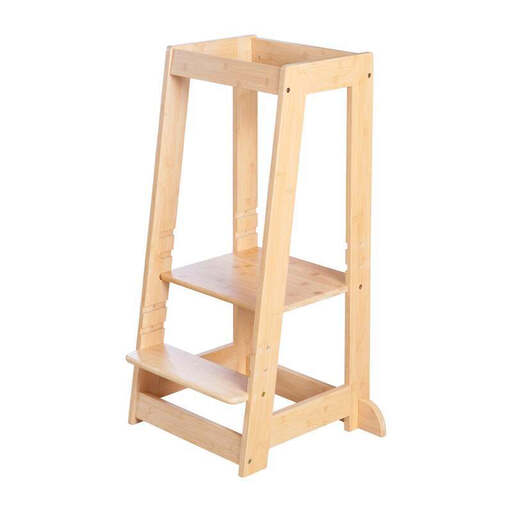
Why this model is a good fit: For families who value sustainable materials and the highest level of safety. The FSC-certified bamboo wood is not only eco-friendly but also extremely resilient and durable.
Directly addresses the stability trap with splayed feet that ensure an anti-tip design. The height-adjustability of the standing platform and step also ensures longevity.
The combination of FSC-certified bamboo, a load capacity of 80 kg, and the additional anti-tip feet offers a complete package of safety and sustainability.
We have compiled a complete, up-to-date list of products that fully meet these strict selection criteria and German safety regulations.
A learning tower from 1 year of age can be a good purchase, provided the child can already stand freely and securely. Most children reach this milestone between 12 and 18 months. It's important that the tower has an enclosed safety rail to keep the child secure.
Even the most stable learning tower requires supervision. Always place the tower on a flat, non-slip surface. Keep it away from hazards like a hot stove, knives, or electrical sockets. Never leave your child unattended in the tower and make sure they do not try to climb up the outside.
A simple step stool only provides a height boost. A learning tower, on the other hand, is a structure specifically designed for toddlers, with a standing platform and a protective railing (fall protection). This railing allows the child to interact safely with their hands free, which is not the case with an open stool.